
Flowers
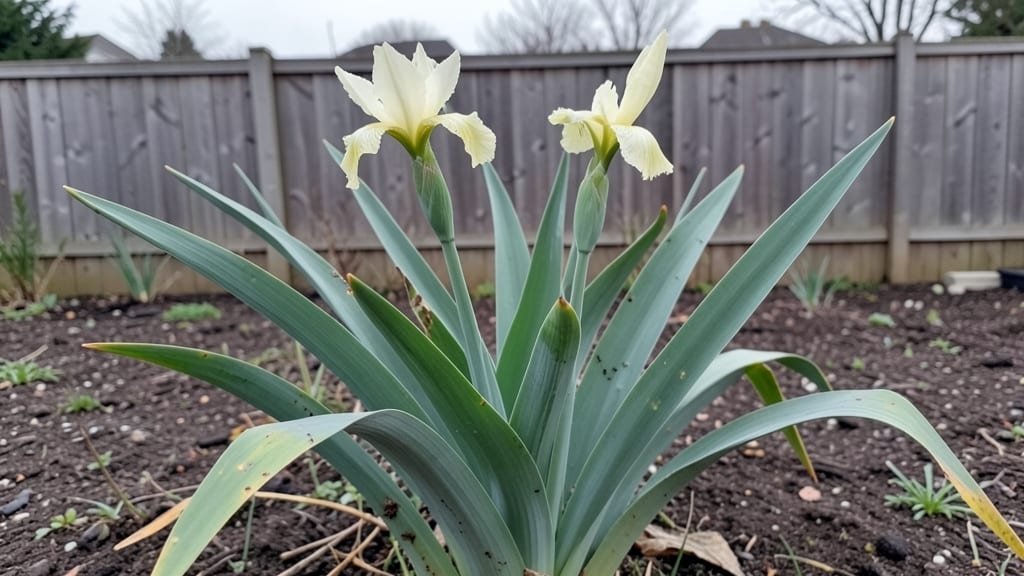
The African iris flower 🌸 thrives in USDA Zone 6a with its striking blooms that seem almost too bold for a garden—but getting them to flourish takes more than just sticking them in the ground.
Picture this: you’ve planted your African iris in spring, only to watch it wilt under summer’s heat or struggle to rebloom year after year. The secret isn’t just watering or sunlight—it’s understanding how climate-specific care keeps these tough beauties looking their best.
This guide cuts through the guesswork by breaking down soil needs, watering schedules, and seasonal tweaks that make all the difference. Whether you’re battling dry heat or humid summers, you’ll learn how to keep your African iris blooming like a pro.
From planting in March-April to summer blooms, we’ll cover every step—so you can enjoy those vibrant flowers from June to August without the frustration.
African Iris flower care: climate-specific watering and sunlight needs
The African Iris (Dietes grandiflora) thrives in diverse climates, but its watering and sunlight needs shift dramatically between arid deserts and humid coastal regions. In dry climates, these plants are famously drought-tolerant, while humid areas demand extra vigilance against root rot and fungal issues.
Understanding these regional differences is key to unlocking year-round blooms without over- or under-watering.
Unlike traditional irises, African Irises prefer well-draining soil and resist soggy conditions, making them perfect for xeriscaping in hot zones. However, their sunlight requirements remain consistent: 6+ hours of direct sun daily to fuel vibrant blooms.
The real challenge lies in balancing water—too little causes wilting, while too much invites disease. Let’s break down how to tailor your care by climate.
In arid climates, African Irises mimic their native habitat by storing water in their thick rhizomes. I’ve seen them thrive with minimal watering—just enough to keep the soil slightly moist at the roots.
The secret? Mulching with gravel or bark helps retain moisture while preventing soil compaction. Overwatering here is the real enemy, as it can suffocate roots and invite pests like iris borers.
Conversely, humid climates demand a lighter touch with water. I once grew African Irises in Florida’s coastal heat, and the difference was stark: they needed shallow, frequent watering to prevent fungal spores from thriving.
Raising the plants in elevated beds with sand or perlite improved drainage dramatically. Always water in the morning to let foliage dry before humidity peaks.
Seasonal shifts are critical for optimal bloom cycles. In spring and summer, African Irises crave consistent moisture to support flower spikes, but I cut back in late summer to let them enter dormancy. This adjustment prevents overgrowth and ensures vibrant blooms the following year.
In USDA Zone 8+, you can extend their growing season with light winter watering—just enough to keep the soil from drying out completely.
Sunlight is non-negotiable for African Irises. While they tolerate partial shade, blooms will be sparse and weak. I’ve tested this by growing them under 50% shade cloth—the result? Stunted growth and fewer flowers.
For maximum impact, place them in south-facing beds where they’ll bask in 6+ hours of direct sun. In container gardens, rotate pots weekly to ensure even exposure.
One common mistake I see is over-fertilizing, which encourages lush foliage at the expense of blooms. Instead, use a balanced 5-10-10 fertilizer lightly in early spring and after blooming.
Pair this with organic compost to improve soil structure. For container-grown Irises, I recommend repotting every 2-3 years to refresh the soil and prevent root-bound stress.
Watch for wilting leaves—this is your plant’s SOS signal. In dry climates, it may need water; in humid areas, it could signal overwatering. Always check the soil 2 inches deep before watering.
If it’s dry, hydrate; if it’s damp, hold off. This simple check saves countless African Irises from root rot or dehydration.
For year-round color, time your care with the bloom cycle. African Irises typically flower in late spring to summer, but with proper dormancy in fall, they’ll reward you with secondary blooms in mild winters.
In Zone 7 and colder, protect them with mulch or frost cloth to shield rhizomes from freezing.
With these climate-specific tweaks, your African
Soil requirements and fertilization for African Iris blooms
The African Iris (Dietes grandiflora) thrives when planted in well-draining soil with a slightly acidic to neutral pH. This range—6.0 to 7.5—ensures optimal nutrient uptake, leading to vibrant blooms and healthy foliage.
If your soil is too heavy or compacted, the roots can suffocate, causing root rot or stunted growth. Testing your soil’s pH and adjusting it with lime (to raise pH) or sulfur (to lower pH) is a game-changer for these drought-tolerant beauties. 🌿
For gardeners in clay-heavy soils, amending the area with organic matter like compost or coarse sand improves drainage. Sandy soils, on the other hand, benefit from adding peat moss or compost to retain moisture without becoming waterlogged.
The goal is a loamy, crumbly texture that mimics the African Iris’s natural habitat—where it flourishes in well-aerated, nutrient-rich soil. A simple soil test kit can save you from guesswork! 🪴
| Soil Requirement | Specification | Adjustment Tips |
|---|---|---|
| pH Level | 6.0–7.5 | Test with kit; amend with lime or sulfur |
| Drainage | Well-draining | Add compost to clay; sand to sandy soil |
| Organic Matter | 20–30% | Mix in compost or aged manure |
| Fertilizer Type | Balanced (5-10-10) | Apply every 4–6 weeks in growing season |
| Winter Care | Dormant | No fertilizer; reduce watering |
Fertilizing your African Iris correctly is key to maximizing blooms. Start with a balanced fertilizer (5-10-10) in early spring as new growth emerges. Apply it 1 tablespoon per plant, working it gently into the soil.
Repeat every 4–6 weeks during the growing season (spring and summer) to support flower production. Avoid fertilizing in fall or winter, as the plant enters dormancy in colder climates. Over-fertilizing can lead to leaf burn or weak stems, so always follow the "less is more" rule. ☀️
In colder microclimates (USDA Zones 6–8), your African Iris may go dormant in winter. Reduce watering to monthly and avoid fertilizing entirely until spring regrowth appears.
Mulch around the base with 2–3 inches of organic mulch (like straw or shredded bark) to insulate roots and protect against freeze damage. This simple step can mean the difference between winter survival and plant loss. 🌡️
For organic fertilization, consider using compost tea or a fish emulsion every 6 weeks. These options provide slow-release nutrients without the risk of chemical buildup. If you notice yellowing leaves or poor blooming, it’s a sign your plant needs more phosphorus (the "P" in NPK).
Switch to a 10-20-10 fertilizer for a phosphorus boost, but only for 2–3 applications per season. 🌱
Remember, the African Iris is low-maintenance once established, but soil prep and fertilization set the stage for stunning blooms. Spend time amending your soil and fertilizing wisely, and you’ll reward yourself with year-round color that’s as bold as it is resilient. Happy gardening! ✂️