
Flowers
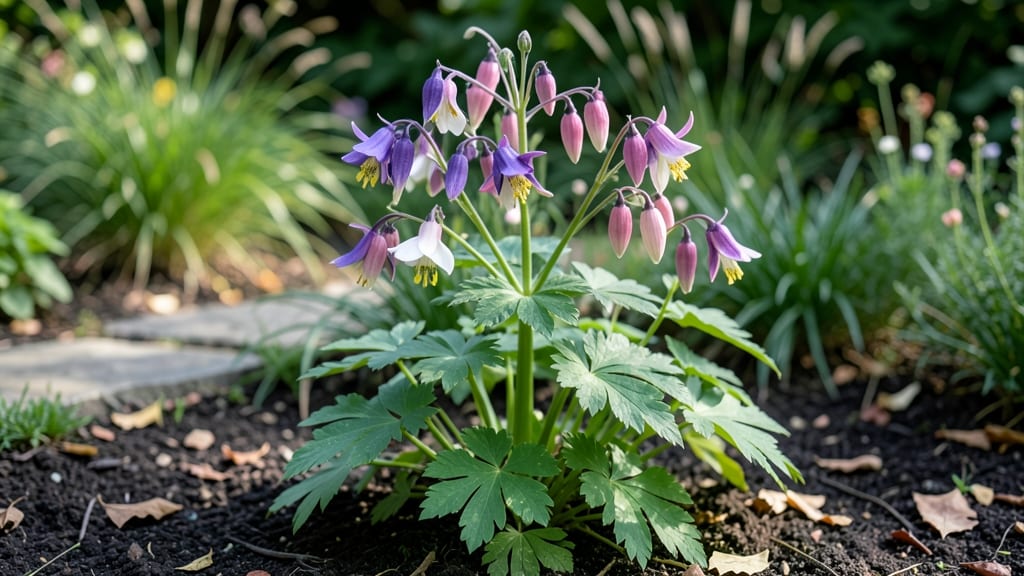
How tall do columbine flowers grow? They range anywhere from 12 to 36 inches, depending on the variety and growing conditions, making them a versatile choice for gardeners with limited space or those aiming for a dramatic vertical display.
Picture this: delicate 🌸 columbine blooms swaying in your garden, their height perfectly balanced with surrounding plants. But here’s the catch—some varieties barely clear your knee, while others reach shoulder height, which can drastically change your garden layout plans.
Knowing the exact height range of each type helps you avoid overcrowding or underutilizing space. For example, Aquilegia canadensis stays compact at 2–3 feet, while Aquilegia vulgaris can stretch up to 24 inches, creating a striking contrast when planted together.
Below, I’ll break down how sunlight, soil, and even pruning can influence their growth, plus the best spacing tips to ensure your columbine thrives without stealing the spotlight from other plants.


Columbine flower height ranges by variety: compact to towering types
Columbine flowers (Aquilegia spp.) offer a stunning vertical range—from delicate 12-inch dwarfs to 4-foot giants. Understanding these height variations helps you design layered garden beds or create dramatic focal points. Each variety thrives in specific USDA zones, so pairing height with climate ensures success.
Tall columbines like Aquilegia canadensis reach 36–48 inches, perfect for woodland edges, while shorter types like Aquilegia vulgaris stay at 18–24 inches, ideal for borders. The key is matching planting zones (typically 4–8) to maximize their natural growth potential.
Here’s a quick reference for columbine height ranges by popular variety, including growth habits and ideal zones:
| Variety | Height Range | Growth Habit | USDA Zones |
|---|---|---|---|
| Aquilegia canadensis | 2–3 ft | Clumping, upright | 4–8 |
| Aquilegia formosa | 3–4 ft | Tall, spreading | 5–9 |
| Aquilegia vulgaris | 18–24 in | Compact, bushy | 3–9 |
| Aquilegia flabellata | 12–18 in | Dwarf, mounding | 4–7 |
| Aquilegia chrysantha | 24–30 in | Semi-dwarf, upright | 6–10 |
Tall varieties like Aquilegia canadensis thrive in woodland gardens or near trees, where their height creates a natural vertical layer. Their 2–3 ft stature makes them ideal for back-of-border plantings or wildflower meadows. In USDA zones 4–8, they self-seed prolifically, ensuring long-term presence.
For container gardening, opt for dwarf types like Aquilegia flabellata (12–18 in). These stay compact, perfect for window boxes or patio pots. Pair them with low-growing perennials like heuchera or ajuga to create a textured display. Their mounding habit prevents flopping in windy spots.
Soil type plays a role in height—well-draining, slightly acidic soil (pH 6.0–7.0) encourages taller growth in varieties like Aquilegia formosa. Amend heavy clay with compost to prevent root rot, which stunts growth. In containers, use a light potting mix to keep roots aerated.
Pruning affects height too. Deadheading spent blooms redirects energy to foliage growth, often resulting in taller stems. For tall columbines, stake stems at 18 inches to prevent wind damage and maintain upright form. Avoid heavy pruning in first year, as it can delay flowering.
In shade gardens, Aquilegia vulgaris (18–24 in) thrives under dappled sunlight, making it a low-maintenance choice for north-facing beds. Its compact size works well in rock gardens or as a ground cover alternative.
For sunny spots, Aquilegia chrysantha reaches 24–30 inches with bold yellow blooms, adding pop to borders.
When planning garden spacing, allow 12–18 inches between dwarf varieties and 2–3 feet for tall types. This prevents overcrowding and ensures airflow, reducing fungal diseases like powdery mildew.
Group similar heights together for a clean, layered look. For example, pair Aquilegia flabellata (12–18 in) with coral bells (Heuchera) for a harmonious height contrast.
Pro tip: Divide clumps every 3–4 years to maintain vigor. Tall columbines benefit from spring division, while dwarf types can be split in early fall. This rejuvenates growth and prevents height loss from overcrowded roots.
How to choose columbine height for garden design: spacing and pairing tips
Selecting the right columbine height for your garden isn't just about aesthetics—it's about creating a balanced, thriving ecosystem. Tall varieties like Aquilegia canadensis (2–3 ft) need room to sway without crowding neighbors, while dwarf types like Aquilegia vulgaris (18–24 in) can tuck into borders or containers.
Proper spacing prevents competition for nutrients and sunlight, ensuring your columbines bloom their best.
Start by measuring your garden beds and planning vertical layers. Tall columbines (3+ ft) make stunning backdrops for perennials like foxgloves or delphiniums, while medium-height varieties (2–2.5 ft) pair beautifully with hostas or heucheras. Dwarf columbines thrive in front-of-border spots, adding color without overwhelming smaller plants.
- 1 Dwarf varieties (12–18 in): Space 12–18 inches apart in containers or front borders. Pair with ajuga or sweet woodruff for ground cover.
- 2 Medium-height (2–2.5 ft): Plant 24–30 inches apart in mixed borders. Combine with astilbes or coral bells for layered texture.
- 3 Tall types (3+ ft): Space 3–4 feet apart at the back of borders. Plant near black-eyed Susans or Russian sage for height contrast.
- 4 Container planting: Use 1–2 dwarf columbines per 10-inch pot with ferns or heucheras for spillover effect. Avoid overcrowding roots.
- 5 Vertical structures: Train tall columbines near trellises or obelisks to create focal points. Use lightweight twine to guide stems gently.
Consider foliage color when pairing varieties. Blue-green leaves like Aquilegia formosa contrast beautifully with purple or red blooms, while silvery varieties add a modern touch. Group odd-numbered plants (3 or 5) for natural, balanced clusters that draw the eye.
For shade gardens, combine tall columbines with hostas or lungwort to create a lush, layered effect. In sunny spots, pair them with coneflowers or black-eyed Susans for long-lasting color. Always mulch after planting to retain moisture and suppress weeds, which can compete with young columbines.
Pro tip: Mark your columbine spacing with biodegradable plant markers or sticks before transplanting. This prevents overcrowding as they mature, giving each plant room to thrive and reducing the risk of powdery mildew from poor airflow.
With the right layout, your columbines will become the star of your garden's vertical story! 🌿