
Flowers
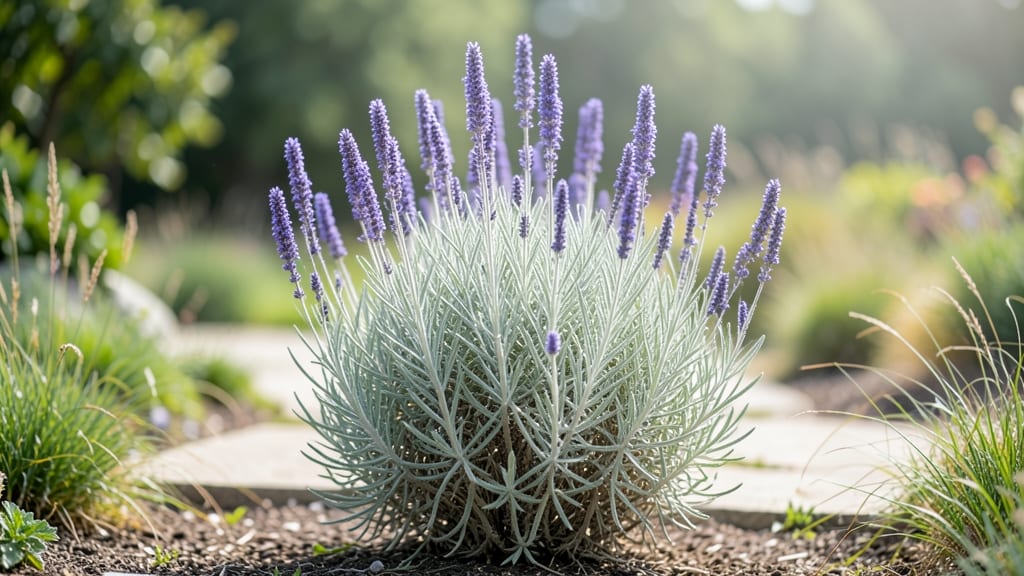
Russian sage flowers between July and September, when its silvery foliage and lavender-blue spikes steal the show in any garden.
Picture this: you’ve planted your Russian Sage 🌸 in full sun, given it well-drained soil, and now you’re waiting for those fragrant blooms to appear. But timing is everything—miss the prime months, and you might end up with fewer flowers or a shorter display.
The key to unlocking its full potential lies in understanding how sunlight, climate, and even pruning habits shift the bloom window. In warmer zones, flowers may start as early as June, while cooler areas might see them linger into October.
Here’s what you’ll discover: the exact month-by-month blooming schedule, how to adjust care for your region, and simple tricks to extend those show-stopping flowers for weeks longer.
Russian sage flowering timeline: month-by-month blooming schedule
Russian sage (Perovskia atriplicifolia) is a late-season bloomer that rewards patient gardeners with fragrant lavender-blue spikes from mid-summer through fall. Unlike early bloomers, its timing varies dramatically by USDA hardiness zone, with northern gardens seeing blooms 4-6 weeks later than southern climates.
Understanding these patterns helps you plan companion plants and maintenance for maximum impact.
The key to predicting Russian sage blooms lies in its dormancy cycle. Most varieties begin bud formation in late spring (April-May), but actual flowering depends on your zone.
In zones 7-10, you'll often see first blooms by July 1st, while zone 3-6 gardens typically wait until late July or August.
| USDA Zone | Early Bloom | Peak Bloom | Late Bloom | Notes |
|---|---|---|---|---|
| 3-5 (Cold Climates) | Late July | August-Sept | October | Short season; prune early spring |
| 6-7 (Temperate) | Early July | July-August | September | Longest bloom period |
| 8-10 (Warm Climates) | June-July | July-Sept | October-Nov | May continue blooming into fall |
In zones 3-5, Russian sage often starts flowering in late July because cooler springs delay bud development. The peak bloom period stretches from August through September, with some varieties lingering until first frost. This makes it perfect for late-season pollinators like monarch butterflies.
Gardeners in zones 6-7 enjoy the most predictable timing, with early July blooms and a 6-8 week flowering window. The peak display typically occurs in mid-August, aligning with other late-summer favorites like black-eyed Susans and sedum. This overlap creates stunning color contrasts in mixed borders.
Southern gardeners in zones 8-10 get a head start, with June-July blooms and potential fall reblooming if conditions are right. The late-season flowers often appear in October-November, providing winter interest before dormancy. In zone 10, some varieties may even bloom year-round with minimal care.
One common misconception is that Russian sage blooms only once per season. In reality, proper pruning can encourage reblooming in fall. If you deadhead spent blooms in early September, you may trigger a second flush of flowers by late September or October—especially in warmer climates.
For northern gardens (zones 3-6), timing is everything. Plant Russian sage in early spring (April) to give roots time to establish before summer heat. In zone 5, I've found that mulching with straw in May helps maintain soil moisture during the critical bud formation phase.
Southern gardeners should be cautious about overwatering during peak bloom (July-August). While Russian sage is drought-tolerant, excess moisture can shorten the flowering season. I recommend deep watering every 7-10 days once established, allowing the soil to dry slightly between waterings.
To extend the bloom season in any zone, try these three simple tricks:
- Prune lightly in early spring to encourage new growth,
- Deadhead regularly to prevent seed formation, and
- Plant in full sun (6+ hours daily).
These adjustments can add 3-4 weeks to your Russian sage's flowering display.
Remember that first-year plants typically bloom 4-6 weeks later than mature specimens. If your Russian sage isn't flowering on schedule, check for these common issues: poor soil drainage, shady location, or over-fertilizing with nitrogen. Adjusting these factors often brings blooms right on time the following year.
5 Key factors that determine Russian sage bloom time
Timing is everything when it comes to Russian sage blooms. While these plants typically flower from mid-summer to early fall, five critical factors can shift that window by weeks—or even months.
Understanding these variables lets you adjust your care routine to trigger those lavender-blue spikes right when you want them.
First, let's tackle the biggest influencer: sunlight exposure. Russian sage is a sun-worshipper that demands 6+ hours of direct sunlight daily. In shadier conditions, flowering may start later or produce fewer blooms.
I once had a plant in partial shade that bloomed a full three weeks later than its sunlit siblings—proof that light makes all the difference.
Full sun (6+ hours) triggers earliest blooms; partial shade delays flowering by 3-6 weeks
Well-draining, slightly alkaline soil (pH 6.5-7.5) promotes robust blooms; heavy clay causes stress and delayed flowering
Late winter pruning (back by 1/3) encourages new growth and earlier blooms; no pruning delays flowering by 2-4 weeks
Deep watering weekly (established plants) maintains consistent blooming; drought stress causes sparse, late-season flowers
Zones 5-9: Blooms July-Sept; Zone 10+: May-June; colder zones may delay blooms until August
Your soil conditions play an equally vital role. Russian sage thrives in well-draining, slightly alkaline soil (pH 6.5-7.5). I learned this the hard way when my first plant struggled in heavy clay—it took two years to bloom properly.
Amending soil with compost or grit can make a dramatic difference in bloom timing. For fastest results, test your soil and adjust with lime if needed.
Pruning habits might surprise you—when and how you prune directly impacts bloom time. I recommend pruning back by one-third in late winter (before new growth starts). This encourages fresh stems that will flower earlier.
Skipping pruning or cutting too aggressively can delay blooms by 2-4 weeks, as the plant focuses energy on regrowth rather than flowers.
Watering routines often get overlooked, but consistency is key. While Russian sage is drought-tolerant once established, deep weekly watering (about 1 inch per week) keeps blooms coming. During heatwaves, increase to every 5-7 days.
I noticed my plants in containers needed watering twice as often as those in the ground—always check soil moisture before watering.
Finally, your hardiness zone sets the baseline for bloom timing. In USDA zones 5-9, expect blooms from July through September, while warmer zone 10 gardens may see flowers as early as May or June.
Colder zone 4 gardens might delay blooms until late August. Adjust your expectations based on your local climate for the best results.
By mastering these five factors, you can shift Russian sage blooms earlier or extend the season by weeks. Start with sunlight and soil—those two adjustments alone often solve most timing issues. Once you've got those right, fine-tune with pruning and watering for the perfect bloom schedule.