
Propagation
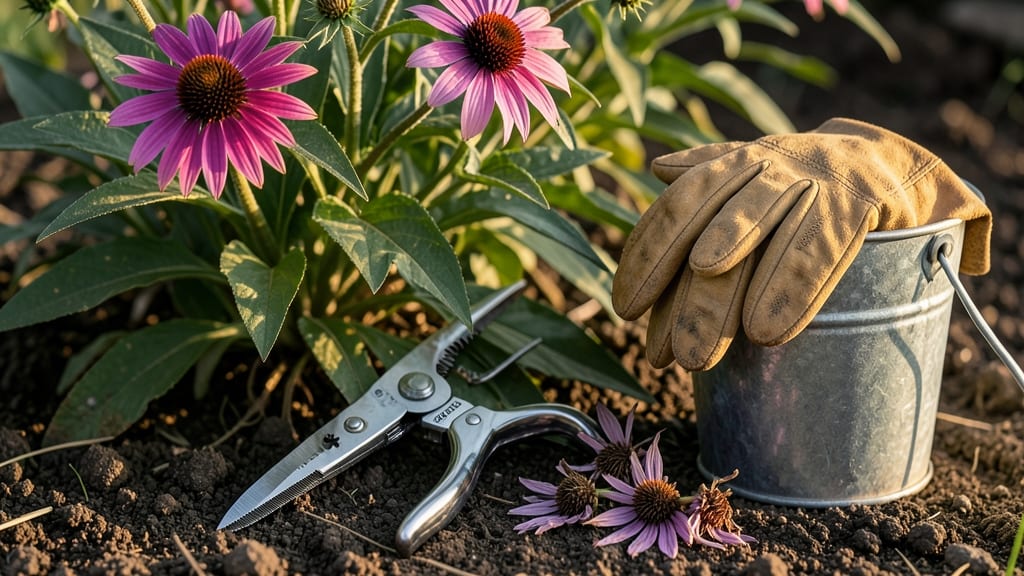
Cutting coneflowers at the right time ensures stronger blooms next season—late winter is the perfect window for revitalizing these hardy plants.
If you’ve ever hesitated to trim back those dried 🌼 stalks, wondering whether to risk frost damage or wait too long, you’re not alone.
The key lies in timing: prune too early, and cold snaps can stress the plant; too late, and you’ll miss the prime opportunity to encourage fresh growth.
For most gardeners in Zone 6a, the ideal time falls between late February and early March, just as winter’s grip loosens but before new shoots emerge. This strategy not only clears dead foliage but also sets the stage for vibrant spring blooms.
Below, I’ll walk you through the exact steps—from tools to cutting height—to ensure your coneflowers bounce back with healthier stems and more abundant flowers by summer.
Best late-winter pruning timeline for coneflowers
Late-winter pruning is the secret to vibrant coneflower blooms next season. Coneflowers (Echinacea) thrive when pruned at the right time—too early, and frost can damage new growth; too late, and you risk smothering the plant.
The ideal window for most U.S. gardeners is February through early March, but climate zones shift this timeline dramatically.
In USDA Zones 5-7, where winters are harsh, aim for late February to early March—after the ground thaws but before new shoots emerge. For warmer Zones 8-10, you can prune as early as January, since frost risks are lower.
Always check your last frost date and prune 2-3 weeks before to avoid cold snaps.
Here’s the critical rule: Never prune when temperatures dip below 40°F. Cold stress weakens plants, making them vulnerable to fungal diseases like powdery mildew. If a late frost hits after pruning, cover young plants with row fabric until temperatures stabilize.
| Climate Zone | Best Pruning Window | Key Trigger | Frost Risk |
|---|---|---|---|
| Zones 3-4 | Mid-to-late March | After soil thaws (test with finger) | High until May |
| Zones 5-7 | Late February–early March | 2 weeks before last frost | Moderate (varies yearly) |
| Zones 8-10 | January–February | Before new growth appears | Low (mild winters) |
✂️ Pro Tip: Use a moisture meter to confirm soil is above 40°F before pruning.
If you missed the late-winter window, don’t panic—coneflowers are perennials and can handle pruning into early spring. However, cutting back too late (after April 1 in most zones) may delay blooming by 2-4 weeks.
The goal is to remove dead stalks while leaving dormant buds intact near the base.
After pruning, focus on soil health. Coneflowers thrive in well-draining soil with 2-3 inches of mulch to retain moisture. Add a balanced fertilizer (5-10-10) in early spring to fuel regrowth. Avoid heavy fertilizers in late winter, as they can burn roots in cold soil.
Watch for new shoots emerging in March—this is your cue that pruning was successful. If no growth appears by mid-April, check for root rot or pests like Japanese beetles, which can stress plants. A light watering (1 inch per week) will encourage recovery without over-saturating the soil.
For container-grown coneflowers, prune 1-2 weeks earlier than in-ground plants, since pots cool faster in winter. Move containers to a sheltered spot (like a garage or under an eave) if frost warnings are expected. Use insulating fabric to wrap pots if temperatures drop below 20°F.
Remember: Coneflowers reward patience. A well-timed late-winter pruning not only cleans up your garden but also boosts next year’s blooms by 30-50%. Mark your calendar now—February 15 is the sweet spot for most gardeners in Zones 5-7!
Step-by-step guide to pruning coneflowers for spring growth
Pruning your coneflowers correctly in late winter is the key to vibrant spring blooms and a healthier plant. I’ve learned that cutting at the right time—just as new growth begins—stimulates fresh foliage while removing last year’s dead stalks.
This simple process takes only 20 minutes per plant but makes a world of difference for your garden’s summer display.
Before you grab your pruners, gather these essential tools: sharp bypass pruners, clean garden shears, gloves (to protect from thorns), and a bucket for debris.
I always sanitize my tools with rubbing alcohol first—this prevents spreading diseases between plants. Working in mild weather (above freezing) ensures your coneflowers won’t go into shock.
Now, let’s tackle the perfect timing with this simple step-by-step checklist—because even experienced gardeners need a refresher now and then!
🌱 Step-by-Step Pruning Guide
- 1 Wait for new growth: Prune when you see 1-2 inches of fresh green shoots emerging from the base. This usually happens in late February to early March in most USDA zones 5-9.
- 2 Cut at the right height: Remove dead stalks down to 2-3 inches above ground level. This leaves enough room for new shoots to emerge without crowding.
- 3 Remove all dead foliage: Look for brown or brittle leaves—these can harbor pests. Toss them in your compost bin if they’re disease-free.
- 4 Sanitize cuts: Wipe your pruners with rubbing alcohol between cuts to prevent bacterial spread. This is especially important if your plants show signs of powdery mildew.
- 5 Apply mulch afterward: Spread 2-3 inches of organic mulch around the base to retain moisture and suppress weeds. I use shredded leaves or straw for best results.
After pruning, give your coneflowers a light fertilizer (like a 5-10-10 blend) to jumpstart spring growth. I’ve found that watering deeply right after pruning helps reduce stress on the plants.
Avoid heavy fertilizers—too much nitrogen can lead to leafy growth at the expense of flowers, which we definitely don’t want!
With proper pruning, your coneflowers will reward you with bold purple blooms by early summer. The key is patience—rushing the process or cutting too late can set back your plant’s recovery.
Next time you’re in your garden, take a moment to admire how a little late-winter maintenance transforms your coneflowers into showstoppers.
🌼