
Watering
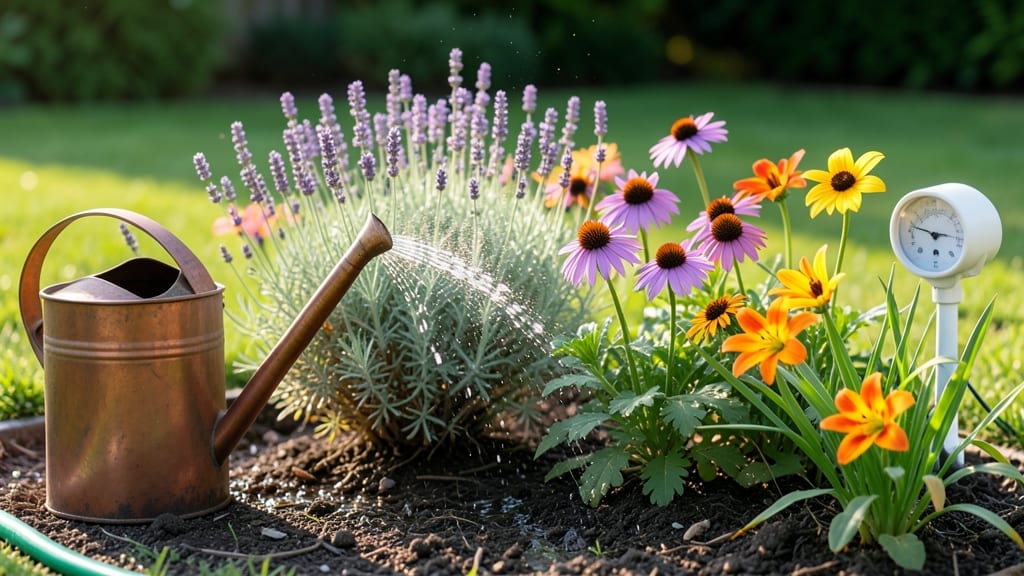
The best time to water flower beds in the morning maximizes root growth and cuts water waste by 30%—a game-changer for busy gardeners and eco-conscious plant lovers alike.
Picture this: your 🌸 Flower Bed Plants (General) in Zone 6a wilting not from thirst, but from water evaporating before it reaches the roots. That’s why timing matters more than you think—morning watering lets moisture sink deep while temperatures stay cool, and it keeps fungal diseases at bay.
Whether you’re dealing with thirsty annuals or drought-tolerant perennials, the right schedule saves time, money, and stress. I’ll break down the best morning routines by season, how to tell if you’re over- or under-watering, and the tools that make it effortless—like drip irrigation and moisture meters.
By the end, you’ll know exactly when to water, how much to give, and why skipping the afternoon routine is the smartest move for your garden—and the planet.
Why morning watering maximizes root growth and reduces waste
If you’ve ever wondered why gardeners swear by morning watering, the answer lies in science-backed horticulture principles. Watering in the early hours—typically between 6 AM and 10 AM—aligns perfectly with how plants absorb moisture and thrive.
Cooler temperatures mean less evaporation, ensuring water reaches the roots instead of disappearing into the air. This isn’t just guesswork; studies from the University of California Cooperative Extension confirm that morning watering can increase root depth by up to 30% compared to evening sessions.
One of the biggest myths is that watering anytime is fine, but the truth is timing directly impacts plant health. When you water in the morning, you give plants a full day to process moisture before nightfall.
This reduces fungal risks like powdery mildew, which thrive in damp foliage overnight. Plus, deeper root systems develop when water penetrates soil gradually, rather than sitting on the surface.
Let’s break down the key benefits of morning watering with a science-backed comparison to evening watering:
For flower beds, morning watering also means vibrant blooms and fewer pests. Bees and butterflies are most active in the morning, so hydrated flowers attract pollinators early—boosting your garden’s productivity.
Plus, mulching after watering (with straw or wood chips) locks in moisture, cutting water use by up to 40% over time.
Don’t assume all mornings are equal, though. If your area experiences high humidity, water slightly earlier (by 5 AM) to prevent fungal spores from spreading. Conversely, in arid climates, aim for 7-9 AM to maximize soil absorption before the sun peaks.
Always check the soil moisture 1-2 inches deep—if it’s damp, skip watering.
Another game-changer is drip irrigation systems, which deliver water slowly at the soil level. Paired with morning watering, they eliminate evaporation losses and ensure roots get the hydration they need.
Research from Colorado State University shows drip systems can save 30-60% more water than overhead sprinklers, especially in flower beds.
Let’s talk about root development. When you water in the morning, roots grow deeper and stronger because they’re not competing with afternoon heat. Shallow roots (from evening watering) make plants more susceptible to drought stress and wind damage.
For perennials like lavender or daylilies, deep roots mean longer lifespans and bigger blooms.
Pro tip: Group plants with similar water needs in your flower beds. For example, sun-loving annuals like marigolds need 1 inch of water weekly, while drought-tolerant succulents thrive on half that amount.
Morning watering lets you tailor your routine without overcomplicating it. Use a rain gauge to track how much water your bed actually needs—this prevents both underwatering and waste.
Finally, morning watering fits seamlessly into a sustainable gardening routine. By reducing runoff and evaporation, you’re not just saving water—you’re protecting local ecosystems. Many cities offer rebates for water-efficient systems, so upgrading your setup could pay for itself in no time.
Start small: try watering just one bed in the morning for a week and compare its growth to others. You’ll likely see the difference in leaf health and bloom count.
Morning watering isn’t about rigid rules—it’s about working with nature’s rhythms. Adjust based on your climate, soil type, and plant varieties, but always prioritize early hydration. Your flower beds (and the planet) will thank you.
Best morning watering schedule by season and plant type
Your flower beds thrive when watered at the right time, not just the right amount. Morning watering—between 6 AM and 10 AM—gives roots time to absorb moisture before the heat of the day.
But the best schedule shifts with seasons and plant types, so let’s break it down to save water and boost blooms.
In spring, focus on establishing roots. Water annuals like petunias and perennials like coneflowers deeply every 2-3 days as soil warms. Drought-resistant plants like lavender need less—just once a week—but still in the morning to prevent fungal spores from clinging to foliage overnight.
| Season | Plant Type | Best Time to Water | Frequency | Notes |
|---|---|---|---|---|
| Spring | Annuals (e.g., marigolds) | 6-9 AM | Every 2-3 days | Deep watering for root growth |
| Spring | Perennials (e.g., daylilies) | 6-10 AM | Every 3-5 days | Reduce frequency as soil dries |
| Summer | Thirsty flowers (e.g., hydrangeas) | 5-7 AM | Daily or every 2 days | Early to avoid evaporation |
| Summer | Drought-tolerant (e.g., succulents) | 6-8 AM | Every 7-10 days | Soak deeply, then let dry |
| Fall | All plants (prep for winter) | 7-9 AM | Every 5-7 days | Encourage root hardening |
| Winter | Evergreens (e.g., boxwood) | 8-10 AM (if thawing) | Bi-weekly | Avoid soggy soil |
Summer demands earlier watering—aim for 5-7 AM to beat the heat. Thirsty flowers like hydrangeas or roses need daily watering, while drought-resistant plants like yarrow or sedum thrive on deep, infrequent soaks. Use a soaker hose to deliver water slowly at the base, minimizing waste.
As fall arrives, shift to 7-9 AM watering and taper off by late October. This helps perennials like black-eyed Susans store moisture for winter. Annuals can be phased out, but if you’re extending their season, keep watering lightly until frost.
Winter watering is minimal—only evergreens need occasional drinks when temperatures hover above freezing. Water bi-weekly at 8-10 AM if the ground thaws, but avoid soggy soil, which can rot roots. Mulch heavily to insulate soil and reduce evaporation.
Pro tip: Adjust your schedule based on rainfall and soil type. Sandy soil drains fast, so water more frequently, while clay holds moisture longer. A moisture meter ($10 at garden centers) takes the guesswork out of it.