
Flowers
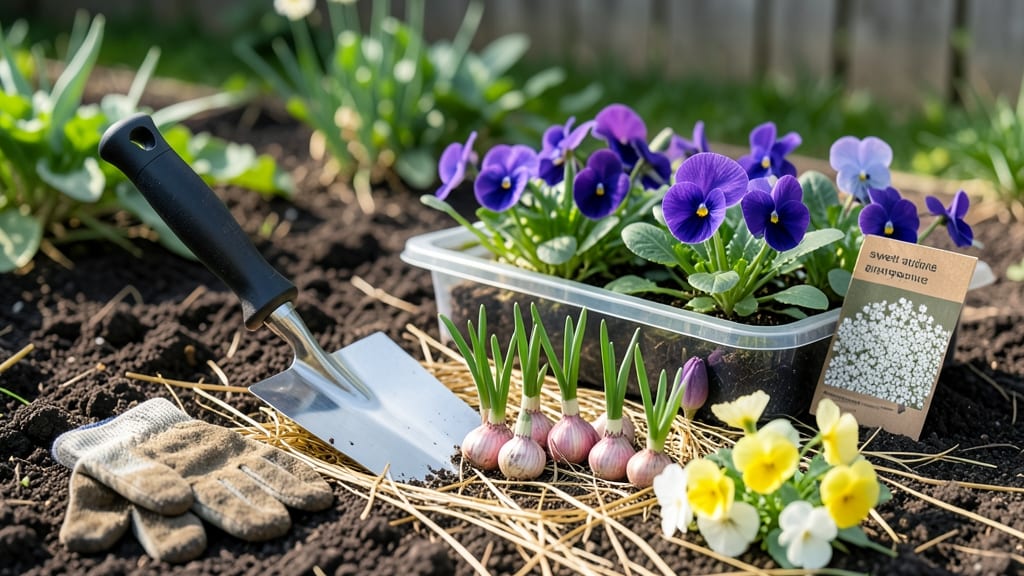
Planting flowers in Zone 5 at the right time means the difference between a garden bursting with color and one that barely takes root.
Timing your flower planting in Zone 5 can mean the difference between a vibrant garden and a season of disappointment—get it wrong, and frost will wipe out your efforts before they even bloom. The key is knowing when to start, whether you’re planting seeds, bulbs, or young plants.
Most Zone 5 gardeners wait until after the last frost date, typically around mid-May, but some flowers—like cold-hardy pansies or sweet peas—can handle an earlier start. The trick is balancing soil warmth with air temperatures, especially in unpredictable springs.
In this guide, I’ll break down the exact months to plant by flower type, share frost-tolerant varieties that thrive in Zone 5, and give you pro tips to extend your planting window.
Whether you’re a beginner or a seasoned gardener, these insights will help you avoid common mistakes and maximize your blooms.
Zone 5 last frost dates: the exact months to plant flowers
Getting your flower planting timing right in Zone 5 means the difference between a garden bursting with color and one that never fully blooms. The last frost date is your golden rule—plant too early, and a late freeze will kill tender seedlings.
Too late, and you miss the growing season entirely. Most of Zone 5 experiences its average last frost between April 15 and May 15, but this can vary by 10-14 days depending on your exact location.
For cold-hardy annuals like pansies or sweet peas, you can start seeds 4-6 weeks before your last frost date.
For heat-loving summer bloomers such as zinnias or marigolds, wait until 2 weeks after the last frost to avoid stunted growth. Perennials and bulbs often have different windows—many bulbs should be planted in fall, while perennials like coneflowers can handle early spring planting.
Here’s how to use this guide: First, check your local last frost date (I’ll cover regional variations next). Then, adjust your planting schedule based on whether you’re growing seeds, transplants, or bulbs.
Remember, microclimates matter—south-facing slopes warm up faster, while low-lying areas stay colder longer. If you’re unsure, err on the side of waiting a few extra days to plant.
If you’re planting bulbs, like tulips or daffodils, the rule flips entirely—these go in the ground in fall, typically between October and November. Bulbs need a cold period to bloom, so don’t wait until spring.
For perennials, many can handle early spring planting as soon as the soil is workable (usually March or early April), even if frost is still possible. Just add a light row cover for extra protection if needed.
For annual flowers, the key is soil temperature. Most seeds need soil to reach at least 60°F to germinate. Use a soil thermometer to check—if it’s cooler, wait a few more days. Transplants are more forgiving and can go in 2 weeks after your last frost date.
If you’re in doubt, check your local cooperative extension service for hyper-local advice—they often track frost dates year-to-year.
Don’t forget about microclimates—your garden might not follow the average. A south-facing wall or paved surface nearby can warm the soil faster, while a shady spot or low area will stay colder.
To test, place a frost-sensitive plant like basil in different spots for a few days. If it survives overnight, that area is safe to plant earlier.
For summer planting, focus on heat-loving annuals like zinnias, cosmos, or sunflowers. These can handle June plantings and often
Best flowers to plant by month in Zone 5 (with frost tolerance guide)
Zone 5 gardeners face a delicate balance—plant too early, and frost zaps your seedlings. Too late, and you miss peak blooms. The key is matching frost-tolerant flowers with your local last frost date (typically mid-May).
I’ve broken down the best flowers to plant each month, ranked by their ability to handle cold snaps (1 = fragile, 5 = hardy).
For example, pansies (frost rating 5) thrive when planted in March, while zinnias (rating 1) need to wait until after Memorial Day. Even a 5°F dip can kill heat-lovers like marigolds, but cold-hardy sweet peas bounce back after frost. Let’s dive into the best monthly picks.
When to Plant Flowers in Zone 5: Pros & Cons
✅ March Planting
- Pros: Early blooms, fewer weeds
- Cons: Risk of late frost, slower growth
Best for: Pansies, violas, sweet peas, snapdragons
✅ April Planting
- Pros: Warmer soil, faster germination
- Cons: Still frost-prone in early April
Best for: Calendula, nasturtiums, stock, dianthus
✅ May Planting
- Pros: Low frost risk, peak blooms
- Cons: Competitive weeds, hotter temps
Best for: Zinnias, marigolds, cosmos, sunflowers
⚠️ June Planting
- Pros: Longer daylight for blooms
- Cons: Limited time for roots to establish
Best for: Late-bloomers like cleome, portulaca, or fast-growers like alyssum
🌱 Pro Tip: Use row covers to extend March/April planting by 2-3 weeks.
In March, prioritize cold-hardy annuals like pansies (frost rating 5) and sweet peas (4). These thrive in 40–50°F soil and even tolerate light frosts. For perennials, lavender (rating 4) and catmint (3) can handle early spring plantings if you mulch heavily. Avoid tender geraniums (rating 1) until May.
By April, soil warms to 50–60°F, making it safe for calendula (rating 3) and nasturtiums (4). These edible flowers self-seed easily and deter pests. For perennial powerhouses, plant black-eyed Susans (rating 4) or coneflowers (3). Harden off seedlings indoors to avoid transplant shock from temperature swings.
May is your golden window for heat-lovers like zinnias (rating 1) and marigolds (2). These pollinator magnets need full sun and bloom until frost. For long-season color, try cosmos (rating 2) or sunflowers (3). Plant after Memorial Day to avoid late frosts—check your local Almanac for exact dates.
Don’t overlook June plantings! Fast-growing cleome (rating 2) and portulaca (3) thrive in summer heat. These drought-tolerant flowers need minimal water once established. For fall interest, sow snapdragons (rating 3) or stock (4) in late June—they’ll bloom into early October.
Remember: Frost tolerance ≠ heat tolerance. Even hardy pansies (rating 5) bolt in 90°F+ heat. Pair cold-lovers with shade cloth in summer, and heat-lovers with afternoon shade in peak Zone 5 summers. A little planning ensures your garden stays blooming from spring to frost.