
Shrubs
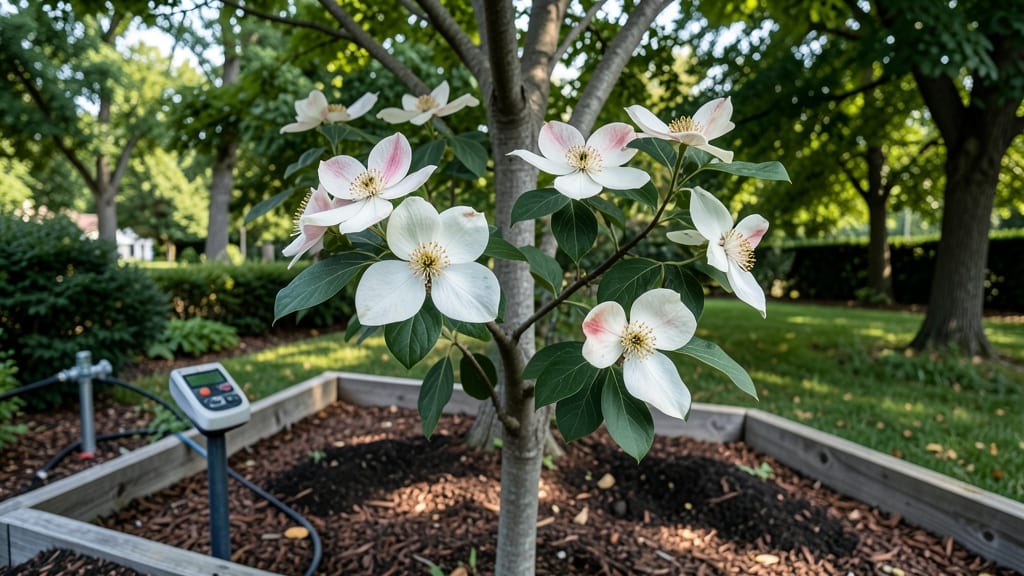
To get your flowering dogwood blooming beautifully 🌸, its soil requirements are the foundation—think acidic, well-draining, and rich in organic matter.
Struggling to get your flowering dogwood to bloom? The secret might be hiding in your soil—specifically, its pH levels and texture. These trees thrive in specific conditions that most gardeners overlook, leading to disappointing results.
Flowering dogwoods prefer a soil pH between 4.5 and 6.0, mimicking their native woodland floors. If your yard leans alkaline, you’ll need to adjust with amendments like sulfur or pine needles to keep those vibrant blooms coming.
Below, I’ll break down the exact soil mix, regional tweaks, and how to troubleshoot common issues—so you can finally see that showstopping display every spring.
Optimal soil pH levels for flowering dogwood trees
Flowering dogwoods (Cornus florida) are picky about their soil—especially when it comes to pH levels. These stunning trees thrive in acidic to slightly acidic soil, with an ideal range of 4.5 to 6.0.
When soil pH strays outside this range, you’ll notice fewer blooms, yellowing leaves, or stunted growth. Understanding and adjusting your soil’s acidity is the first step to unlocking vibrant spring flowers and lush foliage.
Most gardeners overlook soil pH because it’s invisible, but it’s the foundation of healthy dogwoods. For example, if your soil tests at 7.0 or higher, essential nutrients like iron and manganese become locked away, even if you’re fertilizing regularly.
This explains why some dogwoods look healthy but refuse to bloom—it’s not always about sunlight or water, but soil chemistry.
Testing your soil’s pH is simple and should be your first action. Grab a soil pH test kit (available at garden centers for under $10) or send a sample to your local cooperative extension service.
Dig a 6-inch-deep hole near your dogwood’s dripline, collect a few spoonfuls of soil, and follow the kit instructions. Aim to test in early spring or fall for the most accurate results.
| Parameter | Ideal Range | Signs of Stress | Solution |
|---|---|---|---|
| Soil pH | 4.5–6.0 | Yellow leaves, poor blooms, stunted growth | Add sulfur or pine needles |
| Organic Matter | 3–5% | Dry soil, nutrient deficiency | Mix in compost or peat moss |
| Drainage | Well-draining | Root rot, wilting | Amend with perlite or sand |
| Moisture | Consistently moist | Drooping leaves, cracked soil | Mulch with wood chips |
If your soil tests above 6.0, don’t panic—you can safely lower the pH using organic amendments. My go-to method is spreading elemental sulfur around the base of the tree in early spring. For every 100 square feet, apply 10–20 pounds of sulfur and water it in thoroughly.
This takes time (usually 2–3 months), but it’s a natural way to acidify your soil without harsh chemicals.
Another effective organic fix is using pine needles, which are naturally acidic. Spread a 2–3 inch layer of fresh or dried pine needles around your dogwood’s root zone in fall.
Over time, they’ll break down and gradually lower the pH. This method is especially useful if you’re in a pine forest region, where pine needles are abundant and free.
Watch for visual cues that your dogwood’s soil pH is off. Yellowing leaves, especially between the veins, often signal iron chlorosis—a common issue in alkaline soils. Poor flowering or small, sparse blooms can also point to pH imbalance.
If you notice these signs, test your soil immediately and adjust as needed. Remember, dogwoods are sensitive, so gradual changes work best to avoid shocking the roots.
For alkaline soils (pH 7.0+), consider mixing in peat moss or composted leaves to improve acidity over time. Avoid quick fixes like vinegar, which can harm beneficial soil microbes. Instead, focus on slow, steady adjustments using organic matter.
Patience pays off—once your dogwood’s soil pH is in the ideal range, you’ll see healthier foliage and stunning spring blooms.
Pro tip: Mulch annually with acid-loving plant materials like oak leaves or sphagnum peat moss. This not only helps maintain the right pH but also retains moisture and suppresses weeds. Mulch should be 2–4 inches deep and kept 6 inches away from the tree trunk to prevent rot.
By mastering your dogwood’s soil pH, you’re setting the stage for years of vibrant blooms and lush growth. Start testing today, and in just a few seasons, your tree will thank you with show-stopping flowers every spring. 🌸
Best soil composition and amendments for dogwood blooms
Flowering dogwoods (Cornus florida) demand a balanced soil composition that retains moisture yet drains excess water. The ideal mix combines organic matter (30-40%), sandy loam (40-50%), and clay particles (10-20%) for optimal root health.
This balance prevents waterlogging while keeping nutrients accessible—critical for vibrant blooms. If your soil feels gritty or compacted, amendments can transform it into dogwood-friendly terrain.
Well-draining soils are non-negotiable for dogwoods. Clay-heavy soils can suffocate roots, while sandy soils dry out too quickly. Test your soil’s drainage by digging a 12-inch hole, filling it with water, and timing how long it takes to drain.
If it holds water beyond 6 hours, your soil is too dense. Amendments like perlite or coarse sand can improve aeration, while peat moss or compost boost moisture retention.
Soil Amendments for Dogwood Blooms
✅ Organic Compost
✔ Boosts fertility with 3-4 inches of well-aged compost.
✔ Improves water retention and microbial activity.
✅ Pine Bark Fines
✔ Enhances acidity (pH 4.5-6.0) naturally.
✔ Prevents soil compaction around roots.
✅ Mulch Layer
✔ Retains moisture (2-3 inches) year-round.
✔ Regulates soil temperature in summer/winter.
❌ Over-Fertilizing
✖ Burns roots with excess nitrogen.
✖ Triggers leaf scorch and poor blooms.
❌ Compacted Soil
✖ Restricts root oxygen uptake.
✖ Increases risk of root rot.
❌ Synthetic Chemicals
✖ Disrupts beneficial microbes.
✖ Alters soil pH unpredictably.
For clay-heavy soils, incorporate 50% sand or perlite into the top 12 inches of soil before planting. Mix in 3 inches of compost to improve structure and nutrient availability.
In sandy soils, blend 20% peat moss or coco coir to retain moisture. Test soil amendments every 2-3 years to maintain balance—dogwoods reward consistency with prolonged blooming seasons.
Mulching is a game-changer for dogwoods. Apply a 3-inch layer of organic mulch (like shredded bark or leaves) around the base, keeping it 6 inches away from the trunk to prevent rot.
Mulch mimics the tree’s natural forest floor, conserving moisture and suppressing weeds. Replenish mulch annually in early spring to support new growth and flowering.
Avoid the temptation to over-fertilize—dogwoods are light feeders that thrive on natural soil fertility. Excess nitrogen triggers leafy growth at the expense of blooms, while phosphorus and potassium imbalances can stunt root development.
Stick to a balanced 10-10-10 fertilizer applied once in early spring and avoid fertilizing after June to encourage flowering.
Regional adaptations matter: In dry climates, prioritize deep watering (2-3 gallons weekly) and mulch heavily. In wet regions, ensure raised beds or mounds for drainage.
Whether you’re in the Southeast’s humid climate or the Pacific Northwest’s rainy zones, tailoring soil amendments to your locale will unlock your dogwood’s full potential.