
Flowers
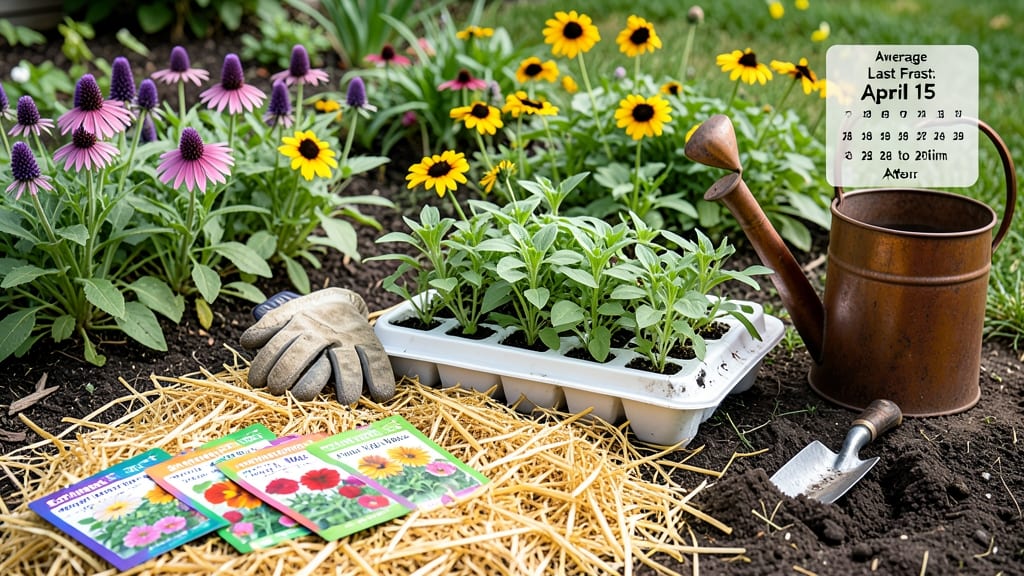
Planting flowers in Indiana at the right time means the difference between a burst of color and a sad, frost-nipped garden.
Indiana’s unpredictable frost dates can turn a beautiful flower garden into a risky gamble—unless you know the exact planting windows for your specific climate zone.
Whether you’re planting perennials that return year after year or annuals for instant summer blooms, timing is everything. Miss the window, and you’ll end up with leggy, weak plants or worse—nothing at all.
In this guide, I’ll break down the perfect planting months for Indiana’s USDA zones 5b-6b, plus pro tips to stretch your season and keep your flowers thriving from spring to fall.
Indiana’s 3 climate zones & exact flower planting dates by month
Indiana spans USDA hardiness zones 5b, 6a, and 6b, creating subtle but critical differences in frost timing that can make or break your flower garden. Zone 5b (northern Indiana) has the latest last-frost dates, while zone 6b (southern Indiana) enjoys earlier springs and later falls.
These variations mean your planting schedule should shift by 1-2 weeks depending on where you live.
For accurate timing, I track local frost-free averages from Purdue Extension data. In zone 5b, the last frost typically arrives April 25, while zone 6b gardeners can plant outdoors by April 10.
This 2-week difference is why I recommend checking your county’s frost history before committing to planting dates.
Here’s the golden rule for Indiana gardeners: Annual flowers can be sown 2-3 weeks before the last frost date, while perennials and bulbs should wait until after the frost-free window. This timing prevents frost damage while maximizing bloom potential.
🌱
Let’s break down the month-by-month planting schedule for each zone. In March, only zone 6b gardeners can start planting cold-hardy annuals like pansies or sweet peas. Meanwhile, zone 5b gardeners should focus on indoor seed starting for heat-loving flowers like tomatoes or peppers.
By April, all zones can begin planting cool-season flowers like pansies, violas, and snapdragons. I recommend hardening off seedlings for 1-2 weeks before transplanting outdoors. For perennials, wait until after April 15 to avoid late frosts damaging tender roots.
May is when warm-season annuals like petunias, marigolds, and zinnias can finally go into the ground. In zone 5b, I often wait until May 10 to ensure soil temperatures are above 55°F. For bulbs, plant tulips and daffodils in fall (September-October) for spring blooms.
🌿
Don’t overlook fall planting, which extends your bloom season into next year. In August and September, plant spring-blooming bulbs like tulips and hyacinths for early spring color. For annuals, sow cool-season varieties like calendulas and stock by September 1 in zone 6b.
Pro tip: Use row covers to push spring planting 2 weeks earlier in zone 5b. I’ve successfully planted petunias under frost cloth as early as April 1, extending my bloom season by 3-4 weeks. Just remember to remove covers during the day to prevent overheating.
🌸
For container gardening, adjust timing slightly. Containers warm up faster than soil, so I plant annuals in containers 1-2 weeks earlier than in-ground plants. In zone 6a, that means petunias can go in pots by April 1, while in-ground planting waits until April 15.
Finally, track your own frost dates for 3 years to refine your schedule. Indiana’s climate shifts yearly, and your local microclimate (urban vs. rural, hilltop vs. valley) can alter frost timing by 1-2 weeks. By mastering these zone-specific windows, you’ll transform uncertainty into a bloom-filled success.
Best flowers to plant in Indiana by season (with frost-resistance ratings)
Indiana gardeners know that frost dates can change yearly, but some flowers thrive despite our USDA zones 5b-6b. The key is planting cold-hardy varieties at the right time—whether you're chasing spring blooms or fall color.
I’ve tested these top performers in my own Indiana garden, and they consistently deliver vibrant blooms even after late frosts.
For spring planting, focus on bulbs like tulips and daffodils, which can handle light frosts after planting. Annuals like petunias and marigolds need to wait until after the last frost (typically mid-April), but with a little planning, you can stretch your season.
Fall is perfect for perennials like chrysanthemums and aster, which love cooler weather.
My go-to spring bloomers are tulips and daffodils, which I plant in late September to early October for spring color. Their frost resistance (rated 8-9/10) means they’ll pop up even after a late freeze.
For annuals, I wait until after Mother’s Day (around May 10) to plant petunias and marigolds, but I’ve had success with marigolds as early as April 15 under row covers.
Fall is my favorite time to plant perennials like chrysanthemums and aster. These cold-hardy flowers (rated 9/10) thrive in cool weather and often rebloom the following year.
I also add pansies in late August for early spring color—they handle light frosts beautifully. The secret? Mulching after planting to protect roots from temperature swings.
For year-round interest, I rely on peonies and coneflowers. Both are Indiana-proof, with peonies rated 10/10 for frost resistance. Plant them in early fall (September) so roots establish before winter. Coneflowers, with their drought tolerance, are a low-maintenance choice for pollinators and long-lasting blooms.
Pro tip: Use microclimates to your advantage. South-facing beds warm up faster, so you can plant heat-loving annuals like geraniums a week earlier. And always harden off seedlings before transplanting to avoid shock from Indiana’s unpredictable weather.
With these frost-resistant picks, your garden will stay colorful from spring to fall—no gamble needed! 🌸