
Flowers
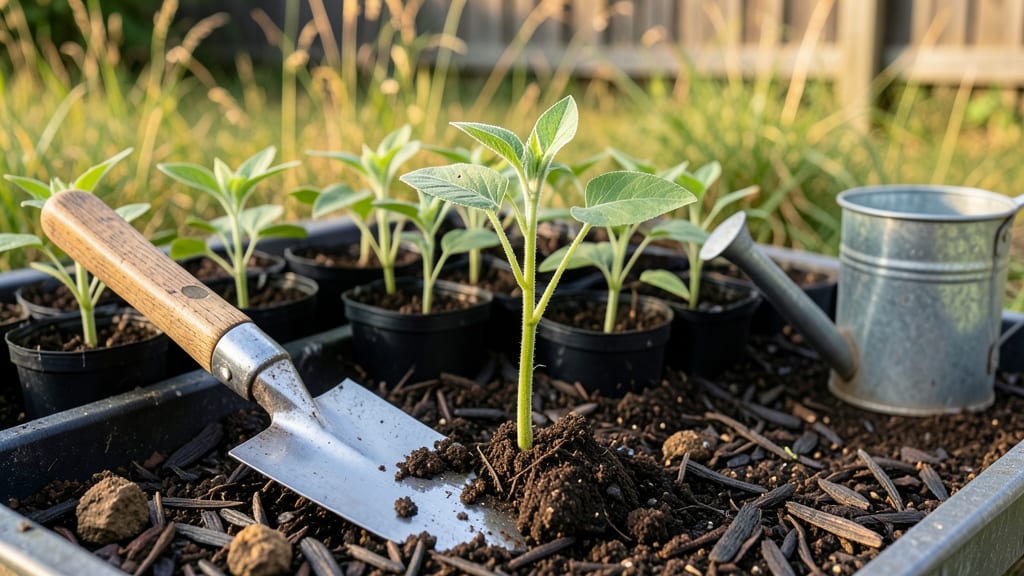
Planting sunflowers in Tennessee after your last frost date is the key to bold blooms and strong stems that reach for the sky.
If you’ve ever watched your 🌻 sunflower seedlings wilt overnight or seen buds shrivel under late spring frost, you know timing matters more than soil prep.
Tennessee’s USDA Zones 6b–8a mean your planting window can shift by weeks—from mid-April in Nashville to early March near Memphis—so getting it right avoids wasted effort.
This guide breaks down the exact deadlines by zone, including adjustments for Tennessee’s microclimates, so you can sow sunflowers when the soil is warm and the threat of frost is gone.
Whether you’re growing towering ‘Russian Giants’ or compact ‘Moulin Rouge,’ the right timing ensures your sunflowers thrive from seed to summer harvest.
You’ll learn how to read frost forecasts, pick varieties that match your region’s heat, and even salvage late starts with backup planting tricks. Ready to turn your garden into a sunflower spectacle? Let’s get started.
Tennessee’s USDA Zones & sunflower planting deadlines by month
Tennessee spans USDA Zones 6b through 8a, meaning last-frost dates vary dramatically—from March 15 in Memphis (Zone 8a) to April 15 in Nashville (Zone 6b). These differences dictate your sunflower planting window, whether you're growing spring varieties for early blooms or summer sunflowers that thrive in heat.
Microclimates add another layer: elevated areas like Chattanooga may frost later than valleys.
Sunflowers are hardy annuals that tolerate heat but hate cold soil. For direct sowing, wait until soil reaches 55°F—a simple soil thermometer check prevents stunted growth. Transplants can handle slightly cooler soil but still need consistent warmth to establish roots.
Below, I’ve broken down exact planting deadlines by zone, including backup windows for late frosts.
| USDA Zone | Last Frost Date | Direct Sow Window | Transplant Window | Summer Varieties |
|---|---|---|---|---|
| 6b (Nashville, Knoxville) | April 15 | April 20–May 15 | March 20–April 10 (with frost cloth) | June 1–July 15 |
| 7a (Chattanooga) | April 1 | April 10–May 10 | March 15–March 31 | May 20–July 1 |
| 7b (Bristol) | March 25 | March 30–April 25 | March 1–March 15 | May 1–June 30 |
| 8a (Memphis, Jackson) | March 15 | March 20–April 10 | February 20–March 10 | April 15–June 15 |
*Adjust dates 1–2 weeks earlier for valleys or later for mountain slopes.
For spring sunflowers, aim to plant 4–6 weeks before your last frost—this ensures blooms by midsummer.
In Zone 6b, that’s April 20–May 15; in Zone 8a, you can start as early as March 20. Transplants give you a head start: Harden off seedlings indoors and move them out 2–3 weeks before your zone’s direct-sow window.
Summer sunflowers like ‘Autumn Beauty’ or ‘Moulin Rouge’ thrive when planted after Memorial Day. In Zone 6b, wait until June 1 to avoid bolting; in Zone 8a, you can start as early as April 15 for extended blooms.
These varieties handle 90°F+ heat better than spring types, making them ideal for Tennessee’s long, hot summers.
Microclimates matter! Valleys (like the Cumberland Plateau) frost later than mountains (e.g., Great Smoky Mountains). Use the Almanac’s frost calculator to fine-tune dates for your exact location. If you’re 1,000+ feet elevation, add 1–2 weeks to frost dates—sunflowers need consistent warmth to germinate.
Pro tip: Soil temperature > air temperature. A 55°F soil in March may feel safe, but 32°F air at night can still kill seedlings. Use row covers or plant near south-facing walls to trap heat.
For late frosts, opt for dwarf varieties like ‘Teddy Bear’—they recover faster if nipped by cold.
Don’t forget succession planting! Sow new batches every 2 weeks until July 1 to enjoy blooms all summer. In Zone 8a, you can even squeeze in a fall crop (late August) for autumn color. Just ensure seeds have 8–10 weeks to mature before your first frost.
If you’re in drought-prone areas (like Middle Tennessee), prioritize deep watering during germination. Sunflowers need 1–1.5 inches of water weekly, but deep soaks encourage strong root growth. Mulch with st
How to adjust planting dates for Tennessee’s unpredictable weather
Tennessee’s weather can shift faster than a summer storm—one day it’s 60°F, the next it’s 90°F. For sunflowers, these swings mean the difference between lush blooms and stunted growth. I’ve learned the hard way that rigid planting dates don’t work here.
Instead, focus on soil temperature, microclimates, and backup plans for when Mother Nature throws curveballs. Let’s break down how to stay ahead of Tennessee’s unpredictable patterns.
First, check your soil temperature before planting—sunflowers need 55°F+ soil to germinate. Use a soil thermometer (or your finger: if it’s too cold to keep pressed for 5 seconds, wait).
In USDA Zone 6b (eastern TN), this usually means waiting until mid-April, while Zone 8a (Memphis) can start as early as mid-March. But don’t rely solely on the calendar; late frosts in April are common, especially in higher elevations like the Great Smoky Mountains.
Tennessee’s last frost dates vary by 10-14 days across the state. Check your local weather station (like NOAA) or use the Almanac’s frost calculator. For Nashville (Zone 7a), aim for April 15; for Chattanooga (Zone 7b), push to April 25. If frost warnings pop up, cover seedlings with frost cloth or move pots indoors temporarily.
Short-season varieties like ‘Moulin Rouge’ (60 days) can handle late starts, while tall giants like ‘Russian Giant’ (120 days) need early planting. If you’re unsure, opt for medium-maturity types (80-90 days) like ‘Autumn Beauty’—they’re more forgiving. For a second crop, plant fast-maturing varieties in late June to bloom before frost.
If a heatwave hits early (like the 2020 summer), delay planting until July for a fall crop. Use black plastic mulch to warm soil faster or start seeds indoors in biodegradable pots. For urban gardens with microclimates (like Memphis’s urban heat islands), plant 2-3 weeks earlier than rural areas.
Sign up for local alerts from your county extension office (e.g., UT Extension or Tennessee State University). If a cold snap is forecast, use row covers or move pots near south-facing walls. For drought-prone areas (like west TN), mulch heavily to retain moisture during summer dry spells.
Don’t forget that Tennessee’s humidity can also affect sunflowers. In Zone 8a, where summers are hotter, plant drought-tolerant varieties like ‘ProCut’ and water deeply but infrequently to encourage deep roots.
If you’re in eastern TN, where mornings stay cooler, you can push planting to late April without risking frost damage.
For container gardening, adjust your timeline by 1-2 weeks earlier—pots heat up faster than soil. Place containers in protected spots (like near trees) to shield from late frosts.
If you’re using seedling trays, keep them indoors under grow lights until the last frost date has passed.
Finally, keep a planting journal to track what works in your specific spot. Note the exact dates you plant, any weather anomalies, and how your sunflowers perform. Over time, you’ll spot patterns—like Memphis’s early May heatwaves or Nashville’s late April frosts—and refine your schedule.
Sunflowers are resilient, but giving them the right timing turns “maybe” into “magnificent.”