
Planting
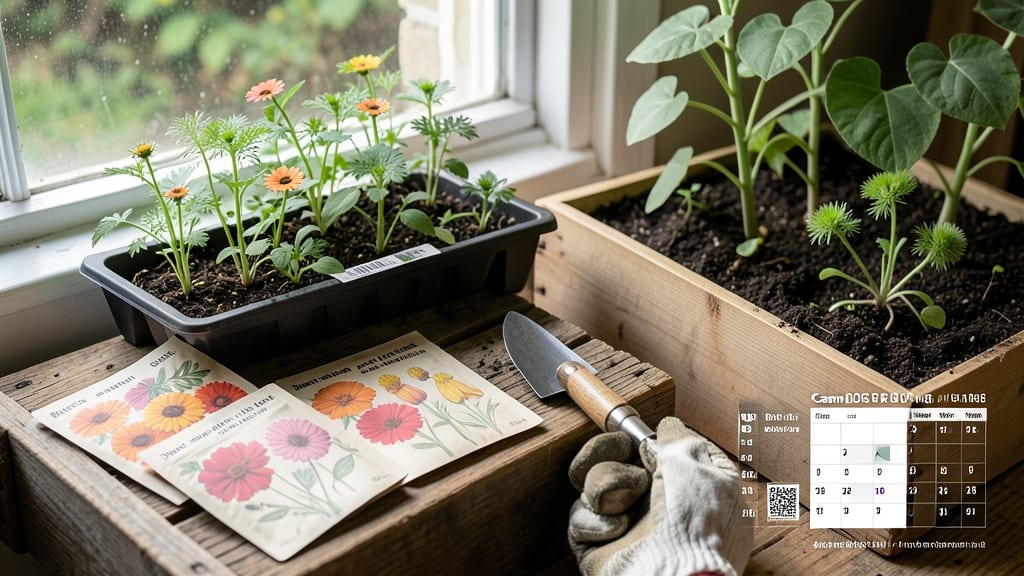
Planting cut flower seeds at the right time 🌸 means the difference between lush, long-stemmed blooms and weak, scraggly stems that flop in your vase.
Timing is everything when growing cut flowers for long, elegant stems—plant too early or late, and you risk weak blooms or missed harvest seasons. Follow this climate-zone guide to maximize your floral yield and ensure your bouquets always steal the show.
Whether you're in a chilly USDA Zone 6a or a warmer region, knowing when to start seeds indoors or sow them directly outdoors is the key to a continuous harvest. Skip the guesswork with a month-by-month planting schedule tailored to your local frost dates.
Inside, you’ll find the best spring and fall windows for popular varieties like zinnias and sunflowers, plus pro tips for adjusting timing based on soil temperature and daylight hours. Ready to grow stems that last?
Cut flower seed planting calendar by USDA hardiness zones
Getting your cut flower seeds in the ground at the right time means the difference between long-stemmed, vase-ready blooms and floppy, underwhelming stems.
Since USDA zones 3-10 experience wildly different frost dates and growing seasons, I’ve broken down the best month-by-month planting windows for frost-sensitive favorites like dahlias, snapdragons, and sunflowers. Whether you’re starting seeds indoors or sowing directly outside, this schedule keeps your harvests coming all season long.
Most cut flowers thrive when planted after the last frost date in spring or during warm summer months for fall blooms. However, tender perennials like dahlias need to wait until soil temperatures hit 60°F (15°C)—otherwise, they’ll rot in cold soil.
Meanwhile, hardy annuals like cosmos can handle cooler soils and even light frost, making them perfect for early sowings. The key is balancing days to maturity with your local frost dates to avoid wasted effort.
Indoor starts give you a head start, especially for slow-growing varieties like alstroemeria (3-5 months to bloom). I recommend beginning these 6-8 weeks before your last frost date. For fast growers like zinnias (60-70 days), you can often direct-sow after the soil warms, skipping the indoor phase entirely. Below, I’ve mapped out the ideal planting windows for each zone, with adjustments for frost-sensitive vs. cold-tolerant flowers.
Comparison Table: Cut Flower Seed Planting by USDA Zone
| Zone | Indoor Start (Weeks Before Last Frost) | Direct Sow Spring | Direct Sow Fall | Frost-Sensitive Flowers | Cold-Tolerant Flowers |
|---|---|---|---|---|---|
| 3-4 | 6-8 weeks (March) | After May 15 | July 15-August 1 | Dahlias, Celosia | Snapdragons, Sweet Peas |
| 5-6 | 6-8 weeks (February-March) | After April 15 | July 1-August 10 | Sunflowers, Zinnias | Cosmos, Marigolds |
| 7-8 | 4-6 weeks (February-March) | After March 15 | June 15-July 15 | Alstroemeria, Stock | Lisianthus, Snapdragons |
| 9-10 | 2-4 weeks (January-February) | After February 15 | May 15-June 15 | Ranunculus, Roses | Dianthus, Statice |
In zones 3-4, where frost lingers late into spring, I recommend starting dahlias and celosia indoors in March to ensure they bloom before the first autumn frost. These heat-loving varieties need all summer to mature, so don’t wait until May to plant them—you’ll miss your harvest window.
Meanwhile, snapdragons and sweet peas can handle cooler soils, making them ideal for early sowings in zones 3-5.
For zones 5-6, where last frosts typically occur around April 15, you can direct-sow fast-growing zinnias and sunflowers as soon as the soil reaches 55°F (13°C). However, alstroemeria and stock still benefit from an indoor start in late February or early March.
In these zones, fall planting for cosmos and marigolds can extend your harvest into October, provided you sow by July 15.
Gardeners in zones 7-10 enjoy longer growing seasons, but even here, timing matters. Ranunculus and roses need a head start indoors in January or February to avoid bolting in the heat. Meanwhile, dianthus and statice thrive when sown directly in late winter, as they tolerate cooler temperatures.
In warmer zones, fall planting for cut flowers should wrap up by June 15 to allow enough time for roots to establish before winter.
Pro tip: Use row covers or cold frames to extend your planting window in cooler zones. These tools let you sow 2-4 weeks earlier than the table suggests, giving you an earlier start on your long-stemmed blooms. Just remove covers when flowers begin to bud to
How to adjust planting times for long-stemmed blooms
Growing cut flowers with long, sturdy stems requires precise timing—miss the window, and you’ll end up with leggy plants or blooms that arrive too late for the season. The key lies in understanding four critical factors: days-to-maturity, seasonal light exposure, soil temperature requirements, and succession planting.
Let’s break down how to adjust your schedule for the best results.
Start by checking each variety’s days-to-maturity label. For example, zinnias typically mature in 60-70 days, while sunflowers take 80-120 days. If you’re in USDA Zone 7 with a 180-day growing season, you’ll need to stagger plantings to avoid a single overwhelming harvest.
Align these numbers with your last frost date to ensure blooms appear when you need them.
-
1. Calculate Backward from Harvest
Note your target harvest window (e.g., Mother’s Day in May). Subtract the days-to-maturity to determine the last planting date. For example, if you want sunflowers by May 10 and they take 90 days, plant by February 10 in warmer zones or start indoors earlier. -
2. Adjust for Soil Temperature
Most cut flower seeds need soil at 60-70°F to germinate. Use a soil thermometer to confirm readiness. In cooler zones, start seeds indoors 6-8 weeks before last frost or use heat mats for direct sowing. -
3. Optimize Light Exposure
Seedlings need 12-16 hours of light daily. If natural light is limited (e.g., short winter days), supplement with grow lights. In summer, shade cloth may protect tender seedlings from intense midday sun, which can scorch young leaves. -
4. Use Succession Planting
For continuous blooms, sow new seeds every 2-3 weeks during the growing season. This works especially well for fast-maturing varieties like cosmos or snapdragons, ensuring a steady supply of stems for bouquets.
Seasonal light exposure plays a surprising role in stem strength. Plants grown in longer daylight hours (like summer) often produce taller, thinner stems, while those in shorter days (early spring or fall) develop sturdier, thicker stems.
If you’re aiming for bouquet-worthy stems, consider planting heat-sensitive varieties like dahlias in early summer or late summer for better structural support.
Soil temperature isn’t just about germination—it also affects root development. Cool soils (50-60°F) slow root growth, leading to weaker stems and higher susceptibility to lodging (falling over). To mitigate this, warm your soil with black plastic mulch or plant in raised beds, which heat up faster.
For long-stemmed varieties like alstroemeria, aim for soil temps above 65°F to encourage robust growth.
Succession planting is your secret weapon for continuous harvests. Instead of one massive planting, divide your seeds into 3-4 batches spaced 2 weeks apart. This ensures you’re always cutting fresh stems and avoids the disappointment of a single, short-lived harvest.
For example, plant 50% of your zinnias in early spring, another 30% in late spring, and the final 20% in early summer for a prolonged season.
Pro tip: Keep a planting journal to track what works in your microclimate. Note adjustments like earlier starts for cooler years or shade protection during heatwaves. Over time, you’ll refine your schedule to match your garden’s unique conditions, guaranteeing long-stemmed blooms exactly when you need them. 🌸