
Flowers
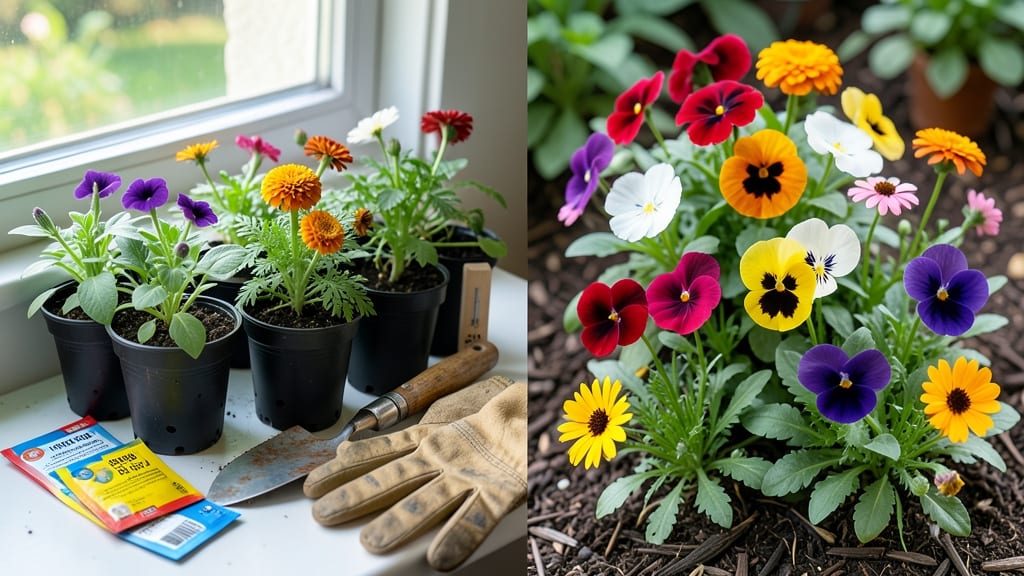
Planting flowers in Zone 6 at the right time ensures vibrant blooms all season—but timing is everything, and a late frost can turn your hard work into wilted dreams.
You’ve spent hours selecting seeds, dreaming of a garden bursting with color, only to watch your 🌸 flowers freeze overnight. That’s the risk when you plant too early in Zone 6, where frost dates shift yearly and unpredictable weather can derail your plans.
This guide breaks down the exact windows for planting annuals and perennials, from cool-season favorites like pansies to heat-loving sunflowers, so you can avoid the common mistakes that leave gardeners scrambling.
Discover how to read frost dates, adjust for microclimates, and even extend your season with simple tricks—so you’re the one showing off blooms while neighbors are still waiting for their first sprouts.
Zone 6 last frost dates by month: when to plant flowers for maximum blooms
Getting your flower planting timing right in Zone 6 is everything—miss the window, and you might lose your entire bloom season.
The average last spring frost typically falls between April 15-30, but this shifts based on your exact location within Zone 6a or 6b. For example, northern Zone 6a areas like Chicago often see frost until May 1, while southern Zone 6b regions like Atlanta can plant as early as mid-April.
Always check your local USDA frost maps before breaking out the trowel.
Understanding these frost date variations helps you choose between cool-season flowers (like pansies) and warm-season blooms (like zinnias). Cool-season flowers thrive when planted 4-6 weeks before your last frost, while warm-season varieties need to wait until after the danger of frost has passed.
Even a single late frost can devastate tender annuals, so timing is critical. Let’s break down the best planting windows for your garden.
🌱 PRO TIP: Use a soil thermometer to confirm when soil temps reach 60°F—this is often a better indicator than air temperature alone for warm-season flowers.
| Flower Type | Average Last Spring Frost (Zone 6) | Planting Window | Key Varieties | Fall Planting Notes |
|---|---|---|---|---|
| Cool-Season Annuals | April 15-30 (Zone 6b) / May 1-15 (Zone 6a) | March 15 - April 15 (direct sow) / April 1-30 (transplants) | Pansies, Sweet Peas, Snapdragons, Calendula | Plant 6-8 weeks before first frost (Sept 15-Oct 15). |
| Warm-Season Annuals | April 15-30 (Zone 6b) / May 1-15 (Zone 6a) | After last frost (May 1-15) / Soil temp ≥60°F | Marigolds, Zinnias, Petunias, Sunflowers | Avoid fall planting—these are not frost-tolerant. |
| Perennials (Spring) | April 15-30 (Zone 6b) / May 1-15 (Zone 6a) | Early spring (March-April) or fall (Sept-Oct) | Coneflowers, Black-Eyed Susans, Lavender, Daylilies | Fall planting gives roots time to establish before winter. |
| Bulbs (Fall Planting) | N/A (Plant before ground freezes) | September 15 - October 15 | Tulips, Daffodils, Hyacinths, Alliums | Plant 6 weeks before first frost for spring blooms. |
| Fall-Blooming Annuals | N/A (Plant after summer heat) | July 15 - August 15 (for fall color) | Cosmos, Marigolds, Aster, Snapdragons | Start seeds indoors in June for earlier blooms. |
⚠️ Regional Note: Mountainous areas (e.g., Colorado Springs) may have 2-3 weeks later frost dates than valley regions.
If you’re in Zone 6a, like Madison, WI, expect your last spring frost
How to adjust flower planting times for unpredictable Zone 6 weather
Zone 6 gardeners know all too well that frost dates can shift unpredictably—one year's mid-April last frost might become early May the next. When your marigolds or petunias face unexpected chilly nights, all your careful planning can go up in smoke.
The key to success? Flexibility and smart adjustments based on real-time conditions rather than calendar dates.
Instead of rigid planting schedules, I rely on soil temperature, microclimate observations, and frost protection tools to extend my growing season.
For example, if your average last frost typically falls in mid-April but your soil stays below 50°F into early May, you'll need to delay warm-season flowers like geraniums or salvias by 2-3 weeks.
The same logic applies when early heatwaves arrive—some flowers like cosmos actually thrive when planted later in Zone 6.
5 Signs Your Zone 6 Spring is Running Late
- Soil stays below 50°F past mid-April
- Nighttime temps drop below 35°F after April 15
- Local weather forecasts show 30%+ chance of frost in May
- Neighboring gardens report frost damage to early bloomers
- Peach blossoms (nature's frost indicator) appear but don't open
3 Frost Protection Hacks for Delicate Flowers
- Row covers (lightweight fabric) raise temps by 5-8°F—perfect for petunias or impatiens
- Cloche bells create microclimates for tender annuals like begonias
- Straw mulch (3-4 inches) insulates perennial roots from freeze-thaw cycles
When to Use Row Covers vs. Cold Frames
Best for:
🌱 Seedlings
🌿 Annuals
🌸 Early blooms
Best for:
🪴 Perennials
🌱 Hardy veggies
🌷 Overwintering
Staggered Planting Schedule for Extended Blooms
Plant 3 batches of cosmos or zinnias every 2 weeks in May-June for nonstop color through frost. Example:
Batch 1: May 1 (early blooms)
Batch 2: May 15 (peak summer)
Batch 3: June 1 (fall extension)
For soil temperature checks, I use a simple soil thermometer—warm-season flowers like tomatoes (yes, they count as flowers too!) need soil at 60°F+, while cool-season flowers like pansies thrive in 45-55°F soil.
Pro tip: Morning measurements are most accurate since soil warms up during the day. If your soil is too cold, hold off on planting heat-loving annuals like geraniums until conditions improve.
Microclimates play a huge role in Zone 6. A south-facing slope might warm up 2 weeks earlier than your north-facing garden bed. I always plant tender flowers like marigolds first in the warmest spots, then gradually expand to cooler areas.
For late-season blooms, I use black plastic mulch to absorb heat and extend