
Plants
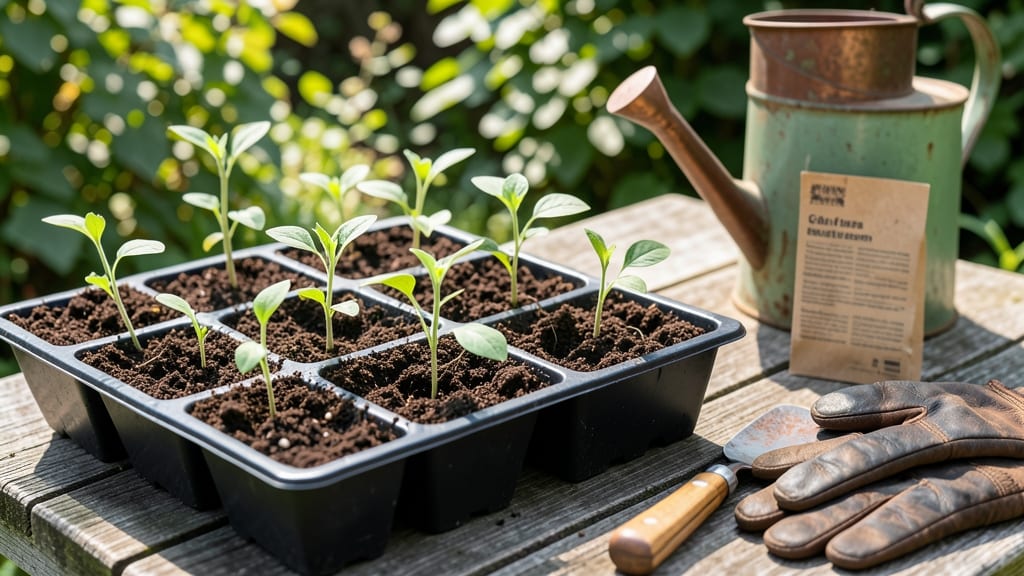
Planting sunflower seeds in New Zealand at the right time ensures tall, vibrant blooms 🌻 that thrive through summer.
Sunflowers bring vibrant color and effortless beauty to any New Zealand garden—but planting them at the wrong time can mean stunted growth or no blooms at all. Get the timing right, and you’ll enjoy towering stems and cheerful faces all summer long.
In warmer North Island regions like Auckland, the best window is late September to early October, while cooler South Island areas like Dunedin should wait until mid-October.
This difference matters because frost risk varies dramatically—even just a few weeks can mean the difference between a thriving plant and a lost season.
Below, I break down the exact months for your zone, frost-free day calculations, and three quick tips to guarantee strong germination. Whether you’re in Zone 8 or 10, you’ll leave with a clear planting schedule tailored to your garden’s climate.
Best months to plant sunflower seeds in NZ by climate zone
New Zealand’s diverse climate zones mean sunflower planting times vary dramatically from the warm North Island to the cooler South Island. In warmer subtropical regions like Northland, you can start as early as August, while Dunedin gardeners should wait until October to avoid frost damage.
Understanding your last frost date and soil temperature (ideal: 10-15°C) is key to successful germination.
Sunflowers thrive in full sun and need 6-8 hours of direct sunlight daily. In cooler regions, starting seeds indoors 4-6 weeks before the last frost date gives them a head start.
For direct sowing, wait until soil temperatures consistently stay above 10°C—this usually aligns with September-October for most NZ zones.
Here’s how to match your planting timing to NZ’s three main climate zones for maximum bloom potential:
| Climate Zone | Best Planting Months | Last Frost Date | Soil Temp for Germination | Key Tips |
|---|---|---|---|---|
| North Island (Warm) | August–September | Early September | 10–15°C | Start early for longer blooms. Use black plastic mulch to warm soil faster. |
| North Island (Subtropical) | July–August | Late August | 12–16°C | Plant dwarf varieties like ‘Teddy Bear’ for extended harvests. |
| South Island (Cooler) | September–October | Late October | 12–15°C | Choose frost-resistant varieties like ‘Russian Giant’ for taller stems. |
| South Island (High Country) | October–November | Early November | 15–18°C | Use row covers for early protection if frost lingers. |
In Northland and Bay of Plenty, where frost is rare, you can even plant sunflowers as early as July for a spring harvest. However, in Wellington and Christchurch, wait until September to avoid late-season frosts that can kill young seedlings.
Always check your local NIWA frost forecast for precise timing.
Soil temperature is just as critical as air temperature. Use a soil thermometer to confirm it’s above 10°C before planting. Cold soil delays germination and weakens seedlings. In cooler zones, mix compost into the soil to retain heat and improve drainage—sunflowers hate soggy roots.
For giant varieties like ‘Mammoth’ or ‘Russian Giant’, plant seeds 1 inch deep and space them 18–24 inches apart. These need extra time to mature, so start them 4–6 weeks earlier than dwarf varieties.
In subtropical zones, you can even get two harvests per year by planting in July and November.
Pro tip: If you’re unsure about your frost dates, use biodegradable seedling pots to start seeds indoors in August. Transplant them outdoors after your last frost date to avoid shock. This method works especially well in Wellington and Nelson, where frost can linger until early October.
Finally, remember that sunflowers need consistent moisture during germination. Water the soil deeply every 2–3 days until seedlings emerge. Once established, they’re drought-tolerant, but dry spells in summer can stunt growth—so mulch around the base to retain moisture.
With the right timing, your sunflowers will reward you with vibrant blooms from November to April, attracting bees and adding height to your garden. Happy planting! 🌻
How to adjust planting time for sunflower varieties and soil conditions
Sunflowers are fast-growing annuals that thrive when planted at the right time, but their variety and soil conditions can shift your schedule dramatically. In New Zealand, dwarf varieties like 'Teddy Bear' can handle cooler soils earlier, while giant varieties like 'Russian Giant' need warmer conditions to reach their full height.
Even the moisture level of your soil will influence when you should plant.
Direct sowing is the best method for sunflowers, as they hate transplanting and grow quickly once established. However, if you're in a cooler region like the South Island, starting seeds indoors 4-6 weeks before your last frost date can give them a head start.
For most of New Zealand, this means indoor starts in August for outdoor planting in September or October.
Soil temperature is critical for germination. Sunflower seeds need soil that's at least 10-15°C (50-59°F) to sprout. In warmer North Island regions, you can direct sow as early as late August, but in cooler South Island areas, wait until mid-September to avoid slow or failed germination.
A soil thermometer is your best friend here!
If you're growing sunflowers in containers or raised beds, the soil warms up faster than in-ground soil, so you can plant 2-3 weeks earlier. Just ensure your containers have drainage holes to prevent waterlogging, which can stunt growth.
For heavy clay soils, amend with compost or sand to improve drainage and warm up faster in spring.
Remember that sunflowers are sensitive to transplant shock, so if you start them indoors, use biodegradable pots and harden them off for 7-10 days before moving outside.
In warmer North Island regions, you can even direct sow as late as November for a late-summer bloom, though these may not reach full size.
By adjusting your planting time based on variety, soil type, and regional climate, you’ll ensure your sunflowers grow strong, tall, and full of vibrant blooms all season long. Happy gardening! 🌻