
Flowers
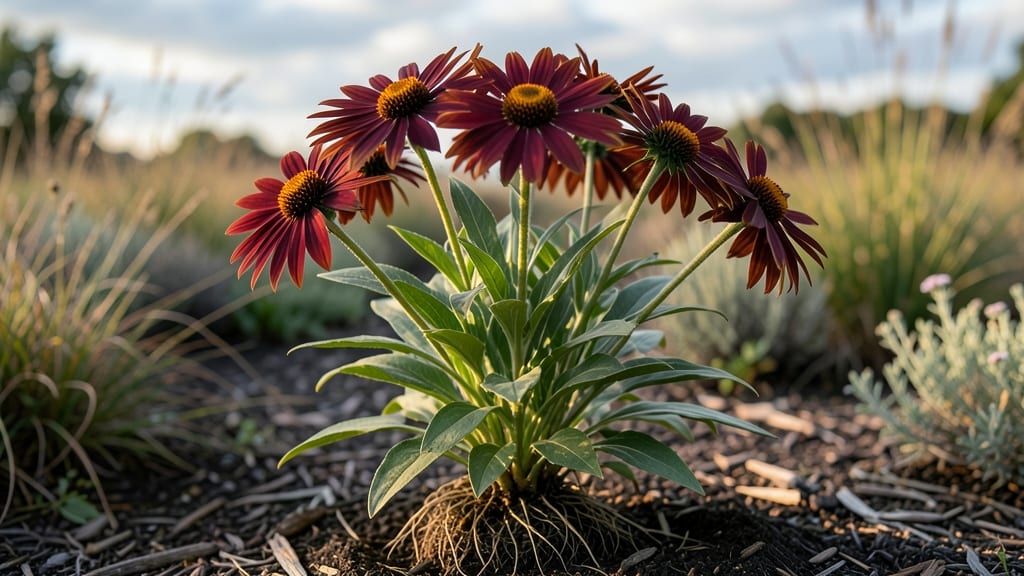
Blanket flower grows between 1 and 4 feet tall depending on the variety and growing conditions, making it a versatile choice for borders, containers, or wildflower meadows 🌼.
If you’re dreaming of vibrant orange blooms that brighten up your garden with minimal fuss, understanding the blanket flower’s growth habits is key—because this hardy perennial can either stay compact or sprawl unexpectedly, depending on your approach.
Most gardeners find standard varieties like 'Goblin' reaching 2 to 3 feet, while taller types like 'Arizona Sun' can stretch up to 36 inches or more. Dwarf cultivars, on the other hand, stay under 18 inches, perfect for small spaces or container gardening.
Below, I’ll break down how sunlight, soil, and pruning influence height, plus how to choose the right variety for your garden’s layout—so you can get the exact size you want without surprises.


Blanket flower height range: how tall can Gaillardia pulchella really grow?
If you’ve ever wondered why your blanket flower (Gaillardia pulchella) seems to grow at wildly different heights—some staying short and bushy while others stretch skyward—you’re not alone. The truth is, this drought-resistant perennial can range from just 12 inches tall to towering 36 inches, depending on several key factors.
Understanding these variations helps you plan your garden layout and choose the perfect cultivar for your space.
The height range of blanket flowers isn’t random; it’s influenced by genetics, sunlight exposure, and even your pruning habits. For example, dwarf varieties like 'Arizona Sun' max out at 12–18 inches, while tall varieties like 'Goblin' can reach 30–36 inches.
Even within the same plant, stems can vary by 6–12 inches depending on growing conditions. Let’s break down what affects this growth and how you can control it.
One of the biggest factors affecting blanket flower height is sunlight exposure. When planted in full sun (6+ hours daily), these flowers naturally grow taller and produce more blooms. However, if you notice your plants stretching unusually tall (beyond their typical range), they might be reaching for more light.
This is a classic sign of etiolation, where stems elongate to access sunlight. To fix this, consider moving your plants to a sunnier spot or adding a light-reflective surface nearby.
Pruning also plays a critical role in controlling height. If you deadhead spent blooms regularly, you encourage the plant to focus energy on producing more flowers rather than growing taller stems.
For spreading varieties like 'Goblin', pruning back leggy stems by one-third in early summer can promote bushier, more compact growth. This technique works best when done in late spring or early summer, just as new growth begins.
Soil conditions can also influence height, though blanket flowers are remarkably adaptable. In poor, rocky soil, they may stay shorter and more compact, while rich, fertile soil can encourage taller, more vigorous growth.
If you’re growing blanket flowers in containers, choose a pot that’s at least 12 inches deep for dwarf varieties or 18 inches deep for taller types. Root-bound plants often grow taller as they stretch toward available light.
Another key consideration is whether your blanket flowers are annuals or perennials. In USDA zones 3–9, they’re typically perennials, meaning they’ll return year after year and may gradually increase in height.
However, in warmer climates (zones 10+), they’re often grown as annuals, which can limit their mature height since they don’t have time to establish as deeply. This is why many gardeners in southern states report shorter blanket flowers compared to those in cooler regions.
For container gardening, choose varieties like 'Arizona Sunburst' or 'Fanfare Orange' to keep heights manageable. These dwarf cultivars thrive in pots and rarely exceed 15 inches.
If you’re planting in garden beds, leave 12–18 inches of space between plants for compact varieties and 18–24 inches for taller types. Proper spacing prevents overcrowding, which can lead to leggy, weak stems that grow taller than expected.
One common mistake gardeners make is assuming all blanket flowers will grow to the same height. In reality, spreading varieties like 'Goblin' can develop woody stems
Controlling blanket flower spread: pruning and spacing tips to limit vertical growth
Blanket flowers (Gaillardia pulchella) thrive on neglect but can easily outgrow their welcome if left unchecked. Without proper pruning and spacing, these vibrant perennials may develop woody stems and sprawl beyond your intended garden design.
The good news? With a few simple techniques, you can maintain their compact height—typically between 12 and 36 inches—while encouraging bushier, more abundant blooms.
One of the most effective ways to control vertical growth is through deadheading. This isn’t just about aesthetics—removing spent blooms redirects the plant’s energy toward producing more flowers instead of tall, leggy stems.
I recommend snipping off faded blooms just above a set of healthy leaves using clean, sharp pruners. This keeps the plant fuller and shorter while extending your blooming season.
- 1
- 2
- 3
- 4
- 5
Seasonal pruning is another game-changer. In early spring, before new growth appears, I cut back the previous year’s stems by one-third. This removes dead foliage and stimulates fresh, shorter shoots.
For varieties prone to woody stems, like Gaillardia 'Arizona Sun', a more aggressive trim in late winter can reset their growth pattern entirely.
Don’t overlook the power of strategic spacing. Planting blanket flowers too closely forces them to compete for nutrients and sunlight, resulting in taller, weaker stems. Aim for 12–18 inches between plants in well-draining soil.
If you’re growing them in containers, choose dwarf varieties like 'Goblin' and space them 12 inches apart to maintain a tidy, compact look.
Finally, resist the urge to over-fertilize. While blanket flowers are drought-tolerant, too much nitrogen can lead to lush foliage at the expense of blooms and encourage vertical growth.
Stick to a light feeding schedule—once in early spring and again after mid-summer—and always water deeply but infrequently to encourage deep root growth rather than rapid stem elongation.
With these techniques, you’ll keep your blanket flowers at their ideal height while enjoying a longer bloom season and a neater garden bed. The key is consistency: prune, space, and feed wisely, and your blanket flowers will reward you with vibrant color without the sprawl. 🌼