
Flowers
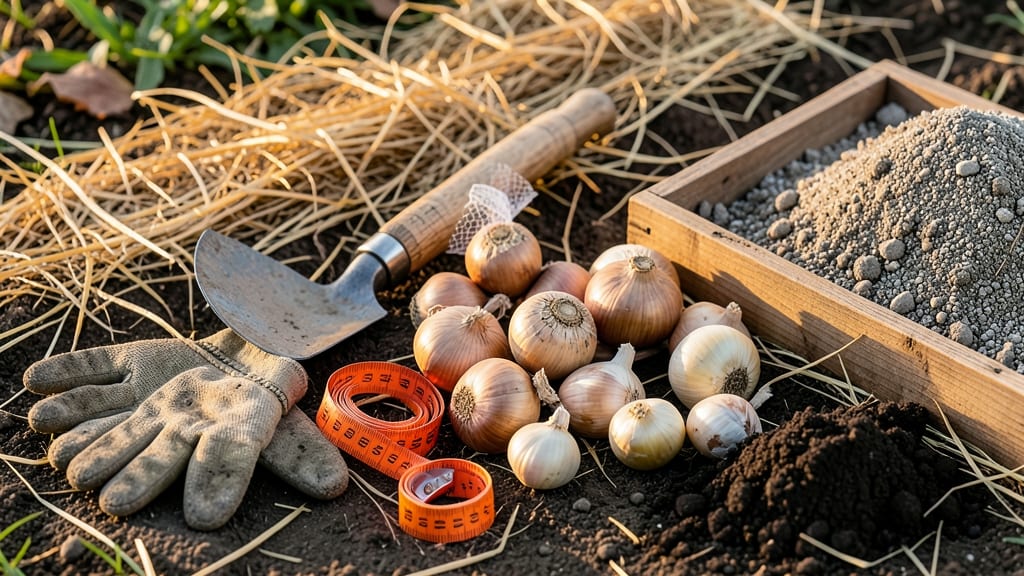
Planting flower bulbs 🌷 in autumn is all about timing—aim for 6-8 weeks before your first frost to give roots time to establish before winter sets in.
Timing your flower bulb planting in autumn isn’t just about the calendar—it’s a delicate balance of soil temperatures, moon phases, and frost risks that can make or break your spring blooms.
In USDA Zone 6a, that window typically falls between October and November, but cooler regions may need to plant as early as September.
The key is getting those bulbs in the ground when soil temps hover between 50-65°F, warm enough for root growth but cool enough to trigger dormancy.
Here’s how to nail the perfect planting window, from soil cues to moon-phase tricks that boost bloom success—and the 3 mistakes that kill bulbs before spring.
Optimal soil temperature ranges for planting flower bulbs in autumn
Getting your flower bulbs in the ground at the right time means understanding soil temperature more than the calendar. While most gardeners focus on last frost dates, bulbs like tulips and daffodils need 6-8 weeks of cool soil to establish roots before winter.
Plant too early, and roots won’t form; too late, and frost kills tender shoots. The ideal soil temperature range for autumn planting is 50°F to 65°F—this window ensures bulbs root without freezing.
Why does soil temperature matter so much? Bulbs need 4-6 weeks to develop a strong root system before ground freezes. If soil is below 50°F, roots grow slowly or stop entirely.
Above 65°F, bulbs may sprout too early, risking frost damage to delicate shoots. A soil thermometer (just $10) takes the guesswork out—stick it 6 inches deep where you’ll plant.
Different bulbs have slightly different preferences. Tulips and hyacinths thrive in 55°F to 60°F soil, while daffodils and alliums tolerate cooler 50°F to 55°F. Crocuses and snowdrops, the hardiest, can handle 45°F to 50°F—perfect for early planting in colder climates.
Always check the USDA zone and bulb packaging for specifics, but soil temp is the universal rule.
Bulb Type
Ideal Soil Temp (°F)
Planting Window (USDA Zones 5-8)
Risk if Planted Too Late
Tulips
55–60°F
Late Sept–mid Nov
Frost kills shoots before blooming
Daffodils
50–55°F
Early Oct–late Nov
Weak root growth, poor blooms
Crocuses
45–50°F
Late Sept–early Nov
Bulbs rot if soil stays warm
Hyacinths
55–60°F
Mid Oct–early Dec
Shoots freeze before flowering
Alliums
50–55°F
Late Sept–mid Nov
Slow root development
Regional timing varies dramatically. In USDA Zone 5 (e.g., Chicago, Minneapolis), aim for late September to early October—soil temps drop fast after that. Zone 8-10 (e.g., Los Angeles, Atlanta) can plant until mid-December since frosts are rare.
Use your local cooperative extension service for precise frost dates, but always prioritize soil temp over calendar dates.
Pro tip: If your soil runs hotter than 65°F in autumn (common in Zone 9-10), plant bulbs in shady spots or use black plastic mulch to cool the ground.
For colder zones (3-4), plant earlier (August-September) and mulch heavily with straw or leaves to insulate roots. The goal is 6 weeks of root growth before the ground freezes.
Watch for false springs—warm spells in late autumn can trick bulbs into sprouting. If shoots appear and temps drop, cover them with straw or row fabric until danger of frost passes. Daffodils are the most frost-tolerant; tulips are the most sensitive.
Never plant bulbs in waterlogged soil—they’ll rot before roots form. Amend clay soil with compost or sand to improve drainage.
Test your soil’s readiness with the finger trick: Push your finger 6 inches deep. If the soil feels cool but workable (not frozen or soggy), it’s time. In containers, use a thermometer since pots heat up faster.
Once planted, water deeply to settle soil around bulbs, then let nature take over. The cold winter chill is what triggers next spring’s blooms!
Remember:
Moon phase secrets: best autumn planting days for maximum bloom success
Aligning your flower bulb planting with the moon phases isn’t just old gardening folklore—it’s a proven way to boost root development and spring bloom success. The moon’s gravitational pull influences water movement in the soil, making certain phases ideal for planting.
For autumn bulbs like tulips and daffodils, the rooting phase (when the moon is in its last quarter) is your golden window.
Planting during the rooting phase (7 days before and after the last quarter moon) encourages strong root systems to form before winter dormancy. This translates to hardier plants and earlier blooms next spring.
Meanwhile, the flowering phase (7 days before and after the full moon) is best for planting bulbs that bloom in autumn, like crocuses or fall blooming hyacinths.
🌱 PRO TIP: Use a moon phase calendar to pinpoint the best dates for your region. For example, in USDA Zone 6a, the last quarter moon in late October 2024 (October 22-28) is perfect for planting tulips and daffodils. Check your local lunar schedule to align with these windows.
- 1 Rooting Phase (Last Quarter Moon): Plant spring-blooming bulbs (tulips, daffodils) 6-8 weeks before first frost for maximum root growth before winter.
- 2 Flowering Phase (Full Moon): Ideal for autumn-blooming bulbs (crocuses, fall hyacinths) to encourage early flowering in cooler months.
- 3 New Moon Window: Avoid planting during the new moon—roots may struggle to establish due to low gravitational pull on soil moisture.
- 4 2024 Autumn Planting Dates: Mark your calendar for October 22-28 (last quarter) and November 15-21 (full moon) as prime planting windows for Zone 6a.
- 5 Post-Planting Care: Water deeply after planting to settle soil and encourage root growth, but avoid overwatering to prevent rot before frost.
To maximize success, pair moon phase planting with soil temperature checks. Bulbs need 6-8 weeks to establish roots before the ground freezes—aim for soil temps between 50-65°F. In cooler climates (Zones 3-5), plant earlier (late September) to give roots time to harden off.
Don’t overlook mulching after planting! A 3-inch layer of straw or shredded leaves insulates bulbs from frost heave and retains moisture. This simple step can mean the difference between wilted blooms and vibrant spring displays.
For container gardening, align planting with the rooting phase too, but use well-draining pots to prevent waterlogging. Place containers in protected spots (like against a south-facing wall) to shield bulbs from winter winds and extreme cold.