
Flowers
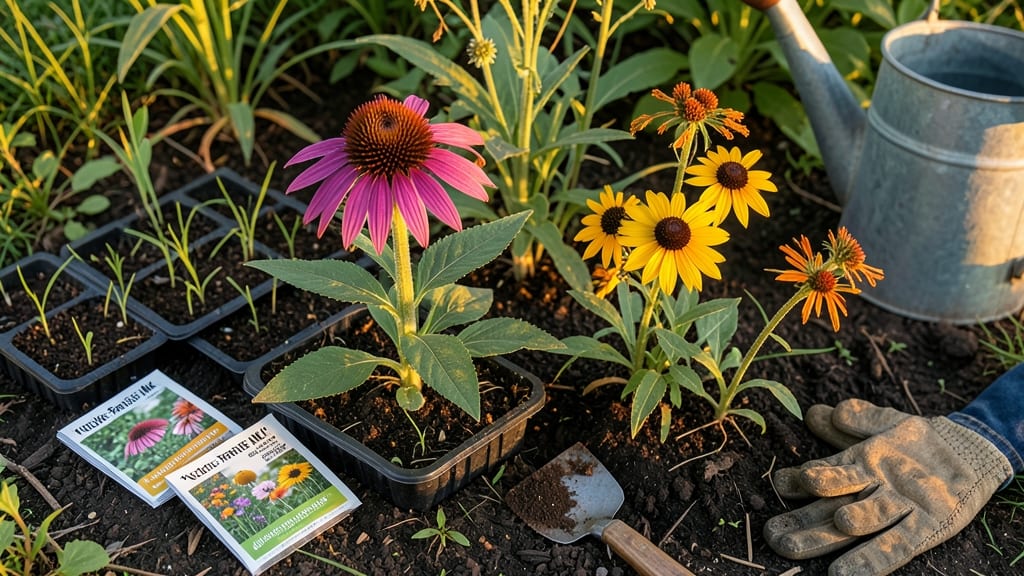
Planting flowers in Missouri at the right time means catching that narrow window between frost and heat — aim for late March to early May for spring blooms, or late August to October for fall color.
Missouri’s unpredictable spring weather can make or break your flower garden 🌸 — plant too early, and frost will kill your blooms; too late, and you’ll miss peak summer color. Knowing the exact last-frost dates by city is your secret weapon for a showstopping garden.
Whether you’re in St. Louis, Kansas City, or the Ozarks, timing matters more than you think.
Cool-season flowers like pansies and snapdragons need to go in the ground 6-8 weeks before your last frost, while heat-lovers like zinnias and marigolds wait until after April 15 (give or take a week).
Below, I break down the best planting windows by city, how to prep your soil for Missouri’s clay-heavy dirt, and the one trick that extends your season by two weeks — no matter where you garden.
Missouri last-frost dates by city: planting windows for annual flowers
Missouri’s last-frost dates vary dramatically from city to city, making it critical to know your exact planting windows for annual flowers. In St. Louis (Zone 6a), the average last frost arrives around April 15, while Kansas City (Zone 6b) sees frost-free conditions by April 20.
Meanwhile, Springfield and Columbia typically reach their last frost dates in mid-April. These differences mean your cool-season flowers like pansies or snapdragons can go in weeks earlier in southern Missouri than in northern regions.
Understanding these regional frost dates helps you avoid the common mistake of planting warm-season flowers like marigolds or zinnias too soon. If you plant tender annuals before the last frost, a late freeze can wipe out your entire garden in hours.
Conversely, waiting too long means missing out on peak summer blooms that thrive with consistent warmth. The key is aligning your flower varieties with their ideal planting windows—whether that’s early spring for hardy blooms or late spring for heat-lovers.
| City | Avg. Last Frost | Cool-Season Planting Window | Warm-Season Planting Window | Hardiness Zone |
|---|---|---|---|---|
| St. Louis | April 15 | March 15 - April 15 | April 20 - May 10 | 6a |
| Kansas City | April 20 | March 20 - April 20 | April 25 - May 15 | 6b |
| Springfield | April 10 | March 10 - April 10 | April 15 - May 5 | 6a |
| Columbia | April 12 | March 15 - April 12 | April 18 - May 8 | 6a |
For St. Louis gardeners, the cool-season window (March 15–April 15) is perfect for pansies, snapdragons, and calendula, which tolerate light frosts. Once the last frost date passes, switch to warm-season flowers like geraniums or petunias.
In Kansas City, you’ve got an extra week to plant cool-season blooms before warmth arrives, but don’t delay—zinnias and marigolds need consistent heat to thrive.
In Springfield and Columbia, where frosts linger slightly longer, prioritize early bloomers like stock or sweet alyssum for spring color. These cities also benefit from fall planting (August–September) for chrysanthemums and asters, which handle cooler temps better than summer heat.
Pro tip: Use row covers to extend your planting season by 2–3 weeks if late frosts threaten.
Missouri’s microclimates add another layer of complexity. Urban areas like St. Louis experience heat islands, where pavement and buildings trap warmth—ideal for tropical flowers like hibiscus. Meanwhile, rural Ozark regions stay cooler longer, favoring hardy perennials like coneflowers.
Always check your specific neighborhood for frost patterns, as valleys and north-facing slopes can delay warmth by weeks.
If you’re unsure about your local frost dates, use the National Weather Service’s frost prediction maps or ask local nurseries—they’ve seen firsthand how unpredictable Missouri springs can be. For example, St. Louis had a late frost in May 2020, catching many gardeners off guard.
Planning for a 10-day buffer after the average last frost date gives your tender flowers the best chance to establish roots before summer heat arrives.
Don’t overlook fall planting either—Missouri’s first frost typically hits around October 15, leaving plenty of time for
Best flowers to plant in Missouri’s spring vs. fall seasons
Missouri’s spring and fall seasons offer perfect windows for planting flowers that thrive in our USDA zones 5b-6b. The key is timing: early spring (before last frost) for cool-loving varieties, and late summer/fall for heat-tolerant plants that bloom into winter.
I’ll share my top picks for each season, including Missouri-native favorites that attract pollinators and add year-round interest.
For spring planting, focus on cool-season annuals like pansies and sweet alyssum, which handle Missouri’s late frosts (typically around April 15). These flowers germinate quickly in 50-60°F soil, giving them a head start before summer heat arrives.
Meanwhile, fall planting (August-October) lets you establish perennials like black-eyed Susans and coneflowers, which develop strong roots before winter dormancy.
- Pansies (Viola tricolor): Cold-hardy annuals that bloom 10-12 weeks after planting. Choose Missouri-native varieties like 'Cool Wave' for frost tolerance.
- Sweet Alyssum (Lobularia maritima): Drought-resistant and pollinator-friendly, perfect for rock gardens or edging. Plant 1/4 inch deep in well-draining soil.
- Calendula (Calendula officinalis): Edible blooms with pest-repellent properties. Sow 2-3 weeks before last frost for early summer color.
- Black-Eyed Susan (Rudbeckia hirta): Missouri-native perennial that thrives in full sun. Plant 4-6 weeks before first frost for next spring’s blooms.
- Coneflower (Echinacea purpurea): Drought-tolerant and pollinator magnet. Choose 'Magnus' for extra-large blooms (up to 4 inches wide).
- Salvia (Salvia nemorosa): Heat-loving perennial with long bloom season (June-October). Plant in well-drained soil to prevent root rot.
Don’t overlook Missouri-native flowers like wild bergamot (Monarda fistulosa) for fall planting. This pollinator powerhouse thrives in partial shade and produces lavender-pink blooms from July through September. For container gardening, try snapsdragons in spring—they self-seed easily and add vertical interest to small spaces.
Pro tip: Mulch newly planted flowers with 2-3 inches of shredded bark to retain moisture and suppress weeds. In fall-planted perennials, mulch also insulates roots during winter. Avoid heavy mulch in spring-planted annuals, as it can delay germination in cool, damp soil.
Timing is everything in Missouri’s climate. Spring-planted flowers should be in the ground 4-6 weeks before last frost, while fall-planted perennials need 6-8 weeks to establish roots before winter. Use these seasonal strategies to create a continuous bloom calendar from early spring to late fall.