
Blooming
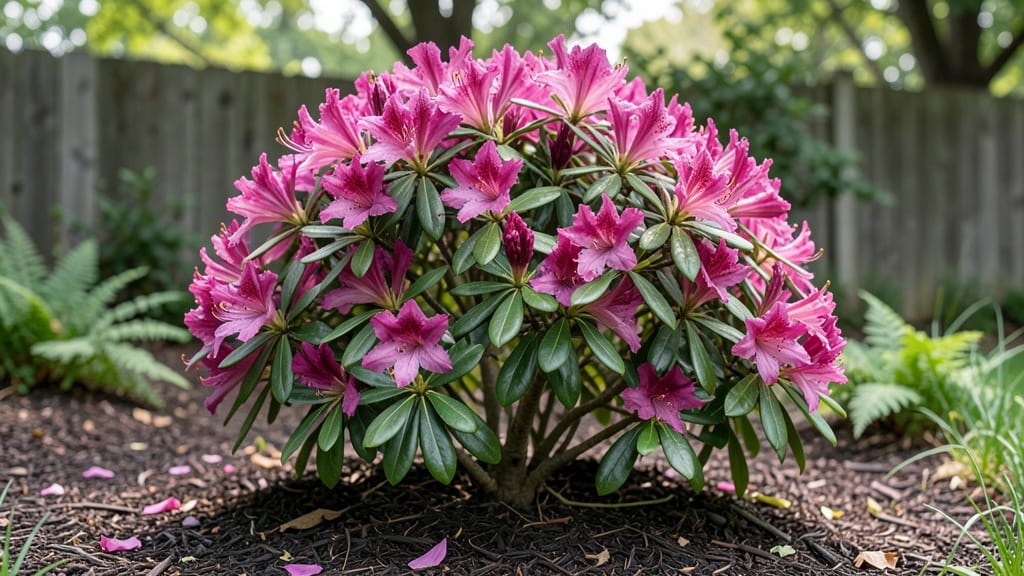
Your azalea flower blooming time depends on the variety and where you live—but knowing the exact months means you can time pruning, fertilizing, and even plan your garden’s most colorful show.
Picture this: April showers give way to a sea of pink and purple 🌸, and suddenly your yard is the talk of the neighborhood. Yet in Zone 6, that bloom might shift to May if last frost lingers, or arrive as early as March for early varieties.
The difference between a two-week and a six-week display? Climate, pruning, and a little soil science.
Below, I break down the exact months for Southern Indicas, Kurume hybrids, and even those rare fall-bloomers—plus how to adjust for your hardiness zone. Spoiler: a few simple tweaks can turn a one-time burst into weeks of color.
Ready to predict—and extend—your azalea’s peak? Let’s dive into the science of timing, from soil pH to sunlight tricks that keep those blooms coming.
Azalea blooming seasons by variety: exact months for peak flowers
Azaleas are famous for their stunning spring blooms, but their flowering windows vary dramatically by variety. Whether you have Southern Indicas or Kurume hybrids, knowing the exact months helps you plan for peak color displays and proper care.
Most azaleas bloom in spring, but some varieties surprise with fall blooms—perfect for extending your garden's seasonal interest.
Your climate zone also shifts bloom timing. In warmer zones (7–9), azaleas often bloom 2–4 weeks earlier than in cooler zones (4–6). For example, Zone 7 Southern Indicas may burst into color by late March, while Zone 5 plants might wait until mid-April.
Below, we break down the exact months for each type so you can time your pruning, fertilizing, and photography sessions perfectly.
🌸 Pro Tip: Fall-blooming azaleas (like Knaphill hybrids) are rare but magical. They flower in September–October, offering a second chance for color when many gardens fade into autumn hues.
If you’re growing Southern Indicas, mark your calendar for April–May—this is their prime time. These varieties are the showstoppers of azalea gardens, with large, vibrant blooms that last 3–4 weeks.
They thrive in zones 6–9, making them perfect for Southern gardens. For longer bloom seasons, pair them with Kurume hybrids, which flower May–June and often rebloom lightly in fall.
For gardeners in cooler zones (4–6), Girardiana hybrids are your best bet. They bloom April–May but handle late frosts better than other types. Plant them in morning sun with afternoon shade to protect their delicate blooms from scorching.
If you love fragrant azaleas, Knaphill hybrids are a must—though their fall blooms (September–October) mean you’ll need to wait longer for color.
Evergreen azaleas are a garden staple in warmer climates (zones 7–10). Their March–April blooms coincide with early spring, adding a splash of color when many other plants are still dormant. These varieties are also drought-tolerant once established, making them low-maintenance once planted in well-draining, acidic soil (pH 4.5–6.0).
To extend blooming time, avoid pruning until after flowering. Cutting back in late summer or fall removes next year’s flower buds, which form on old wood. Instead, prune just after blooms fade to shape your shrub and encourage next season’s flowers.
Fertilize in early spring with an acid-loving plant formula (8-3-9 NPK) to support robust growth and blooming.
🌿 Climate Note: In Zone 5 or colder, protect early bloomers like Girardiana hybrids with row covers if late frosts threaten. A light frost (28–32°F) can damage open buds, so monitor forecasts and cover plants if needed.
For container gardening, choose Kurume hybrids—their compact size and repeat blooms make them ideal for patio pots. Place containers in partial shade and water daily in summer to prevent soil from drying out.
Potted azaleas also benefit from weekly acid fertilizer during the growing season to maintain vibrant blooms.
How climate zones shift azalea blooming time: USDA Zone adjustments
Your azalea blooming time isn't set in stone—it shifts dramatically based on your USDA hardiness zone. In Zone 5, for example, most varieties bloom in late May to June, while the same azaleas in Zone 7 might burst into color as early as mid-April.
These shifts happen because warmer zones trigger earlier bud development, while colder climates delay it until temperatures stabilize.
Microclimates add another layer of complexity. Coastal areas with milder winters often see 2–4 week earlier blooms than inland regions just 50 miles away. For instance, San Francisco (Zone 10) azaleas may bloom in February, while those in Sacramento (Zone 9) wait until March.
Even within a single zone, elevation changes can push blooming times by 10 days or more.
| USDA Zone | Typical Bloom Window | Key Factors Affecting Timing | Late Frost Risk |
|---|---|---|---|
| Zone 3–4 | Late June–July | Cold soil delays root growth; needs consistent warmth for buds | High (May frosts common) |
| Zone 5–6 | Late May–June | Moderate chill hours required; early spring rains can delay blooms | Moderate (April–May frosts) |
| Zone 7–8 | April–May | Warmer winters mean earlier bud set; drought stress can shorten blooms | Low (occasional March frosts) |
| Zone 9–10 | February–March | Mild winters; coastal zones bloom earliest due to ocean moderation | Very low (rare below 32°F) |
Late frosts are the biggest blooming time disruptor. In Zone 6, a 28°F frost in April can wipe out buds just days before they open. To protect your azaleas, monitor local frost forecasts and consider lightweight frost cloth for high-value varieties.
Even a single night below 30°F can damage emerging blooms, pushing back your display by 2–3 weeks.
If you live in a transition zone (e.g., Zone 6b–7a), your azaleas might show a split blooming pattern: some branches flower early (March), while others wait until May. This happens because warmer microclimates (like south-facing walls) trigger buds earlier than cooler spots.
To create a longer bloom season, plant early and late varieties together, such as Kurume hybrids (early) paired with Southern Indicas (late).
For gardeners in Zone 4 or colder, focus on hardy evergreen azaleas like 'Girard's Pink', which tolerate -30°F and bloom reliably in June–July. In Zone 9+, fall-blooming varieties (like 'Otome') shine, offering September–October color when spring bloomers are dormant.
Adjust your pruning schedule accordingly—prune after blooms fade to preserve next year’s buds.
Understanding these zone-based shifts lets you plan your garden for maximum impact. Whether you’re chasing early spring color in Zone 7 or delaying blooms in Zone 5 to avoid frost, timing is everything.
Start tracking your local last frost date and adjust plant selections to match your climate’s unique rhythm. 🌸