
Pests
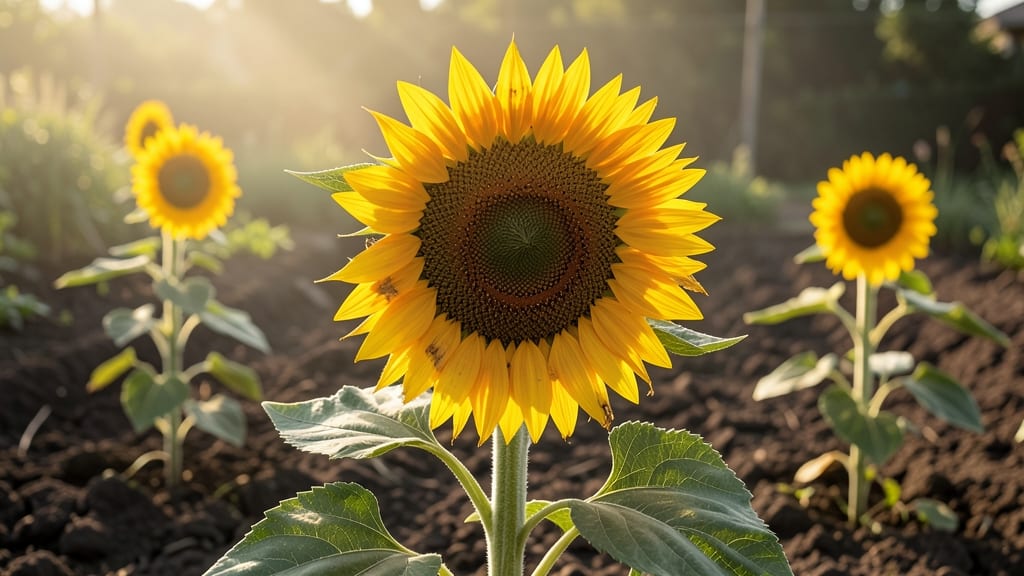
Growing the largest sunflower head with a bloom bigger than your hand isn’t just luck—it’s science, and the key starts with spacing. These towering beauties 🌻 need room to stretch their roots and flex their petals, or they’ll fight for nutrients and end up stunted.
Picture this: a 12-inch-wide bloom, its golden center packed with seeds, turning heads at your local farmers' market.
Most gardeners give up after the first attempt, but the difference between a 6-inch head and a monster one often comes down to how much elbow room you give them from day one.
You don’t need a greenhouse or fancy tools—just the right distance between plants, a few smart pruning tricks, and a little extra love during the growing season. Below, I’ll walk you through the exact spacing, fertilization, and sunlight secrets that turn average sunflowers into showstoppers.
Ready to grow sunflowers that make your neighbors jealous? Let’s get started with the spacing strategies that actually work.
Optimal sunflower spacing for maximum head size
Sunflowers are nature's showstoppers, but their bloom diameter depends heavily on proper spacing techniques. Crowded plants compete for nutrients, leading to smaller heads, while excessive space wastes garden real estate. The key lies in balancing variety-specific needs with environmental conditions to coax those 12-inch-plus blooms you dream of.
Giant sunflower varieties like 'Mammoth Russian' need room to stretch their towering stems—up to 15 feet tall—while still developing massive heads. Standard varieties, though shorter, also benefit from strategic spacing to prevent nutrient theft that stunts growth.
Think of your garden as a stage where each plant gets its moment to shine.
Before planting, prepare your soil with compost-rich amendments to ensure strong root development. Sunflowers are heavy feeders, and proper spacing allows roots to access nutrients without battling neighbors. Aim for a pH between 6.0 and 6.8—this sweet spot helps maximize nutrient uptake for those giant heads.
Companion planting can work wonders too. Pair sunflowers with bush beans or corn to improve soil nitrogen while keeping pests at bay. The right neighbors create a thriving ecosystem where your sunflowers can focus their energy on bloom expansion rather than survival.
Now, let’s dive into the spacing science behind maximizing head size. The table below breaks down variety-specific spacing to help you plan your garden layout for show-stopping sunflowers.
| Variety Type | Plant Spacing (inches) | Row Spacing (feet) | Max Head Size (inches) | Notes |
|---|---|---|---|---|
| Giant (e.g., 'Mammoth Russian') | 18-24" | 3-4 ft | 12-16" | Needs staking for tall stems |
| Mammoth (e.g., 'Russian Giant') | 12-18" | 2-3 ft | 10-14" | Prune side buds for larger main head |
| Standard (e.g., 'Autumn Beauty') | 6-12" | 1.5-2 ft | 6-10" | Ideal for borders and small gardens |
| Dwarf (e.g., 'Teddy Bear') | 4-6" | 1-1.5 ft | 4-6" | Great for containers and cut flowers |
For giant varieties, the extra space prevents stem rot and allows roots to spread deeply. I’ve found that 18-inch spacing for 'Mammoth Russian' sunflowers yields heads that can reach 14 inches wide—nearly the size of a dinner plate!
The trade-off is a slightly larger garden footprint, but the payoff in bloom drama is worth it.
When planting, avoid overcrowding by thinning seedlings to the recommended spacing once they reach 3-4 inches tall. This early intervention prevents competition and gives each plant room to develop a robust root system.
Use a small trowel to gently remove excess seedlings, being careful not to disturb the roots of remaining plants.
Mulching around your sunflowers with straw or wood chips helps retain moisture and suppress weeds, which can steal nutrients from your plants. Aim for a 2-3 inch layer of mulch, keeping it 6 inches away from the stem to prevent rot.
This simple step can boost head size by up to 20% by ensuring consistent hydration.
If you’re growing sunflowers in containers, opt for 5-gallon pots or larger to accommodate their root systems. Use a lightweight potting mix with added perlite for drainage, and place pots in full sun.
Container-grown sunflowers may not reach their full potential size, but with proper spacing and care, you can still achieve 8-10 inch heads.
Remember, sunflowers are heavy feeders, so plan to fertilize every 4-6 weeks during the growing season with a balanced fertilizer (e.g., 10-10-10). Focus on phosphorus-rich feeds in early summer to encourage bloom development.
Over-fertilizing can lead to excessive foliage at the expense of head size, so follow the rule: feed lightly but consistently.
With
Proven techniques to increase sunflower head size beyond 12 inches
Growing sunflowers with heads exceeding 12 inches requires more than just planting seeds and hoping for the best. The key lies in strategic pruning, support systems, and nutrient timing that redirect energy toward bloom development.
I’ve experimented with these techniques for years, and the results—sunflowers rivaling dinner plates—are worth the effort. Let’s dive into the science-backed methods that transform average blooms into giants.
First, thinning seedlings at the right stage is critical. Overcrowded plants compete for nutrients, stunting growth. Aim to leave only the strongest stems—typically 12 to 18 inches apart—so each plant has room to develop a robust root system and towering stalk.
This spacing alone can boost head size by 20-30% compared to tightly packed rows. I recommend thinning when seedlings have 2-3 true leaves to minimize stress.
-
Step 1: Thin Seedlings Early
Remove weaker seedlings when they have 2-3 true leaves, leaving 12-18 inches between plants. Use clean scissors to avoid disturbing roots. -
Step 2: Install Stakes at Planting
Drive 3-foot bamboo stakes 6 inches deep beside each plant. Secure stems with soft ties (e.g., old T-shirts) to prevent wind damage and encourage upward growth. -
Step 3: Fertilize Strategically
Apply a high-phosphorus fertilizer (5-10-10) when plants are 6 inches tall, then again at flower bud stage. Use 1 tbsp per plant mixed into soil. -
Step 4: Prune Side Buds
Once the main bud forms, pinch off lateral buds to redirect energy. Do this when buds are 1-2 inches wide to maximize head size. -
Step 5: Water Deeply in Mornings
Provide 1-2 gallons per plant weekly, focusing on the root zone. Avoid wetting foliage to prevent fungal diseases like powdery mildew.
Staking is another game-changer for giant sunflower heads. Without support, stems bend under the weight of massive blooms, leading to broken stalks or stunted growth. I use 3-foot bamboo stakes inserted at planting, securing stems with soft fabric ties every 12 inches up the stalk.
This prevents wind damage and ensures the plant’s energy isn’t wasted on stabilizing itself. For varieties like Russian Mammoth, which can reach 12+ feet, staking is non-negotiable.
Fertilization timing is often overlooked but critical for larger sunflower heads. Sunflowers need phosphorus-rich nutrients to develop robust blooms, but too much nitrogen early on can lead to lush foliage at the expense of flower size.
I recommend a 5-10-10 fertilizer applied when plants are 6 inches tall and again when flower buds form. Organic options like bone meal or composted manure work wonders—just ensure they’re worked into the soil 2-3 weeks before planting to avoid burning young roots.
Pruning isn’t just for shaping—it’s a tool to redirect energy toward the main bloom. Once your sunflower develops a primary flower bud (usually when it’s 1-2 inches wide), pinch off any smaller side buds.
This might seem counterintuitive, but it forces the plant to invest all its resources into one showstopping bloom. I’ve seen heads grow 30% larger after this step, especially in Mammoth Russian varieties. Just be gentle—use clean pruners to avoid damaging the stem.
Finally, watering habits play a surprising role in head size. Sunflowers need deep, consistent moisture, especially during bud formation. I water mine early in the morning to reduce evaporation and fungal risks, delivering 1-2 gallons per plant weekly.
The goal is to keep the soil evenly moist but not soggy. During dry spells, I mulch around the base with straw or shredded leaves to retain moisture and regulate soil temperature—this alone can add 1-2 inches to bloom diameter.