
Trees
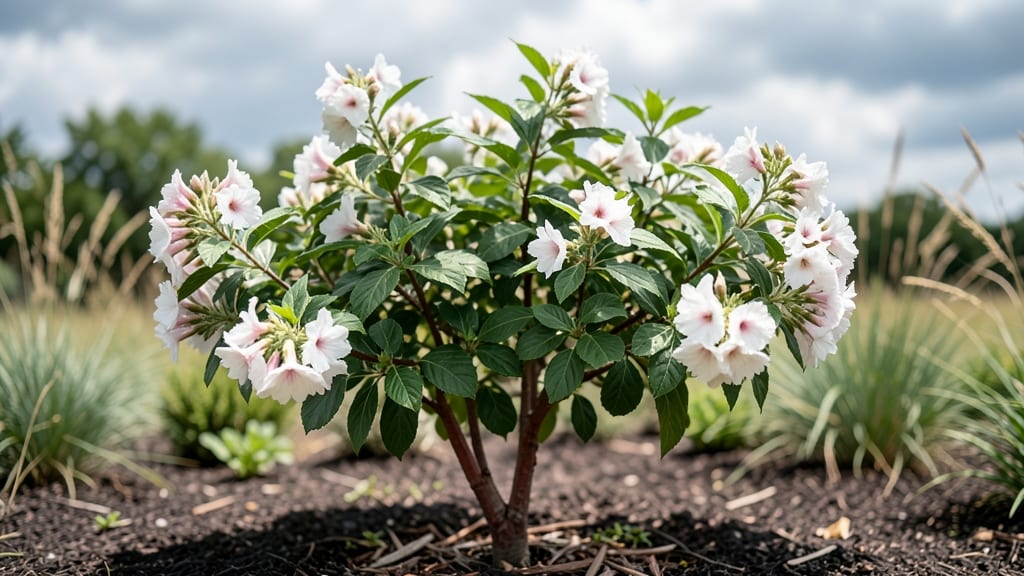
Growing a white flowering weigela 🌸 that bursts into bloom every season isn’t just about luck—it’s about timing, technique, and a little pruning know-how.
Struggling to keep your white flowering weigela blooming beautifully year after year? The secret isn’t just water or sunlight—it’s mastering the right pruning techniques at the perfect times.
Most gardeners prune too late or too aggressively, which can leave your weigela looking ragged instead of radiant. But with the right approach, you’ll encourage longer, fuller blooms while keeping your shrub healthy and compact.
In this guide, I’ll walk you through the exact steps to prune your weigela for year-round white flowers, avoid common mistakes, and even pair it with the best companion plants for a showstopping display.
When and how to prune white weigela for maximum blooms
Your white flowering weigela can transform from a modest shrub into a prolific bloomer with the right pruning strategy. Unlike many plants, weigela blooms on both old wood (last year’s growth) and new wood (current season’s growth), so timing and technique matter.
Prune at the wrong time, and you risk sacrificing those stunning white trumpet-shaped flowers for months. The key? A two-step pruning approach that balances rejuvenation and bloom production.
I’ve pruned my own white weigela for over five years, and the difference between a barely blooming shrub and one covered in flowers comes down to when I cut and how I shape it.
Most gardeners make one of two mistakes: pruning too late in spring (after blooms appear) or cutting back too aggressively in winter. Both approaches can leave your plant struggling to recover in time for next year’s flowers. Let’s fix that with a proven timeline and technique.
🌿 Step-by-Step Pruning Guide for White Weigela
- Step 1: Late Winter (February) – Prune for shape and remove dead wood. Cut back 1/3 of oldest stems to encourage new growth. Use clean, sharp pruners and make cuts just above a leaf node.
- Step 2: Early Spring (March) – Light pruning to remove crossing branches. Avoid heavy cuts—this preserves old wood blooms that form early in the season.
- Step 3: Post-Flowering (June) – Prune to maintain shape. Cut back current season’s growth by 1/3 to encourage bushier growth for next year’s blooms.
- Step 4: Summer (July-August) – Deadhead spent flowers to redirect energy. Pinch back new growth tips to promote branching.
- Step 5: Fall (October) – Minimal pruning. Remove only damaged or diseased branches before winter dormancy.
Start your pruning journey in late winter (February), when your white weigela is still dormant but before buds swell. This is your chance to rejuvenate the plant by removing up to 1/3 of the oldest, thickest stems—these are the ones that produce the fewest flowers.
Cut each stem back to a healthy outward-facing bud or branch. This encourages vigorous new growth from the base, which will become next year’s flowering framework.
Use bypass pruners for clean cuts, and always sterilize your tools with rubbing alcohol to prevent spreading disease. Avoid heavy-handed pruning—your goal is to open up the center of the shrub for better airflow and sunlight penetration.
A well-pruned weigela will develop a fuller, bushier habit with more branches capable of supporting blooms. Think of this step as giving your plant a haircut that promotes both health and beauty.
In early spring (March), shift to a light maintenance pruning approach. Remove any crossing or rubbing branches that could cause wounds or block sunlight from reaching the center.
This is also the time to shape your weigela into your desired form—whether that’s a rounded bush or a more formal hedge. Just remember: never remove more than 25% of the plant’s foliage in a single session, or you risk shocking it.
After your white weigela finishes blooming (typically in June), it’s time for a second pruning round. This is when you can be slightly more aggressive with current season’s growth. Cut back the newest stems by 1/3 to encourage bushier branching and more flower buds for next year.
Look for stems that are leaning or growing inward—these are prime candidates for removal. This step ensures your weigela doesn’t become leggy or top-heavy with too much growth at the top.
Throughout the summer months, focus on deadheading spent flowers to keep your weigela looking tidy and encourage continuous blooming. Use your fingers or small pruners to pinch off faded blooms just above a leaf node. This redirects the plant’s energy from seed production to new flower development.
In July and August, you can also pinch back the tips of vigorous new shoots to promote lateral branching, which translates to more blooms next season.
Fall pruning should be minimal—just enough to keep your white weigela healthy before winter. Remove any dead, diseased, or damaged branches to prevent pests or diseases from overwintering in the plant.
Avoid heavy pruning in fall, as it stimulates new growth that won’t have time to harden off before cold weather arrives. A lightly pruned weigela enters dormancy stronger and more resilient.
Pro tip: If your weigela has overgrown significantly and you need to rejuvenate it, you can prune it back by half in late winter. Just be prepared for a year of reduced blooms as the plant recovers.
Over time, this drastic pruning will reward you with a vibrant, youthful shrub that blooms more heavily. Patience is key—your weigela will thank you with show-stopping white flowers for years to come.
Remember, the secret to continuous blooms lies in balance. You’re not just pruning to shape your plant—you’re managing its energy to produce more flowers.
With this two-season approach, my own weigela now bursts into white blooms from late spring through summer, and the plant stays healthy and compact year after year. Now grab your pruners and give your weigela the care it deserves!
Common pruning mistakes that kill your weigela’s blooms
Your white flowering weigela might look healthy, but if you’re not seeing those continuous blooms you love, pruning mistakes could be the culprit. Weigelas are forgiving, but they need precise care to reward you with year-round white flowers.
The biggest errors often come from well-meaning gardeners who don’t realize timing and technique make all the difference.
I’ve seen gardeners accidentally strip their weigelas of next year’s blooms by cutting at the wrong time or using the wrong tools. Others over-prune, leaving their shrubs looking like bare sticks with no energy left for flowers. Let’s fix these mistakes so your weigela thrives and blooms beautifully every season.
⚠️ Warning: These 5 Mistakes Are Destroying Your Weigela’s Blooms
1. Pruning at the wrong time – Cutting after late summer removes next year’s flower buds. Always prune in early spring (March-April) or right after blooming.
2. Cutting back old wood – Weigelas bloom on new wood. Never remove more than 1/3 of the plant in one season, or you’ll sacrifice flowers.
3. Using dull or dirty tools – Ragged cuts invite disease. Always use clean, sharp pruners and disinfect them with rubbing alcohol between cuts.
4. Over-pruning for shape – Shearing weigelas turns them into bushy but barren shrubs. Instead, use the open-center method to encourage airflow and blooms.
5. Ignoring dead wood – Leaving diseased or dead branches weakens the plant. Remove them immediately to redirect energy to healthy growth.
Let’s start with the biggest blooming killer: pruning too late. If you’ve ever trimmed your weigela in fall or winter, you’ve likely removed the flower buds that form in late summer.
These buds need time to harden off before winter. Cutting them off means no spring blooms—just bare stems waiting for next year’s growth.
Another common mistake is cutting back old wood to encourage new growth. Weigelas bloom on new wood, so aggressive pruning of last year’s branches can leave your plant looking like a skeleton with no flowers.
Instead, focus on selective pruning—removing only the oldest, woody branches from the center to keep the shape open and airy.
Even experienced gardeners sometimes make the error of over-pruning to keep their weigela compact. While it’s tempting to shape it like a hedge, weigelas thrive when they have room to grow.
Aim to remove no more than 20-30% of the plant in a single pruning session. This ensures your weigela has enough energy to produce those show-stopping white blooms.
Finally, never skip sanitizing your tools between cuts. Bacteria and fungi can spread from one branch to another, leading to leaf spot or canker diseases that weaken your plant. A quick wipe with rubbing alcohol after each cut keeps your weigela healthy and blooming for years to come.