
Blooming
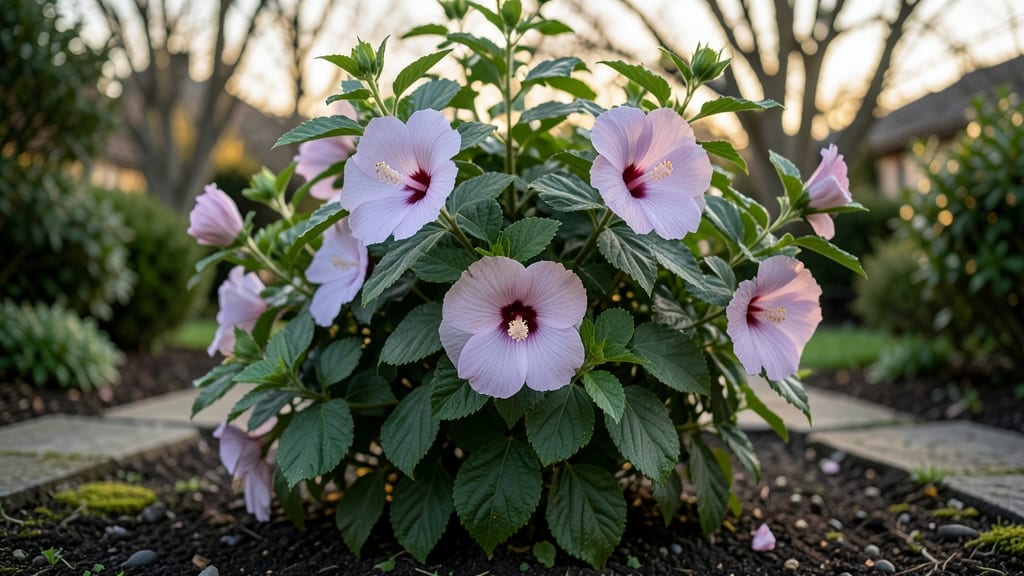
Your hibiscus flowering season hinges on sunlight, zone, and timing—three factors that can turn a hit-or-miss bloomer into a vibrant, year-round star 🌸.
If you’ve ever waited eagerly for your hibiscus to burst into vibrant blooms—only to be disappointed by late or sparse flowers—timing is the secret. The right USDA zone and planting strategy can shift your hibiscus from a hit-or-miss bloomer to a showstopper.
In warmer climates like Florida or California, hibiscus often bloom from late spring through fall, while cooler zones like 6a may see staggered seasons with early summer peaks. Sunlight triggers blooms, but pruning and fertilizer play just as big a role.
Below, I’ll break down the exact months for peak blooms by zone, how to extend your flowering season, and what to do when your hibiscus skips the show entirely.
Exact hibiscus flowering months by USDA Zone (with visual guide)
Hibiscus flowering seasons vary dramatically across USDA zones 7-11, with tropical varieties often blooming year-round in warm climates while hardy types follow strict seasonal patterns. Understanding these month-by-month windows helps you time pruning, fertilizing, and winter care for maximum blooms. For example, Zone 11 hibiscus may flower continuously, while Zone 8 plants need careful winter protection to rebloom in spring.
Regional variations also play a role—Florida's humid summers trigger early blooms, while California's coastal zones may see staggered flowering due to mild winters. Even within a zone, microclimates (like urban heat islands) can shift bloom times by 2-4 weeks.
Let’s break down the exact months for each zone, including early/late bloomers and regional exceptions.
🌸
| USDA Zone | Tropical Hibiscus (e.g., Hibiscus rosa-sinensis) | Hardy Hibiscus (e.g., Hibiscus moscheutos) | Regional Notes |
|---|---|---|---|
| Zone 7 | May–October (potted only) | June–September | Zone 7a: Shorter season; Zone 7b: 1-2 weeks longer |
| Zone 8 | April–November (year-round in microclimates) | May–October | Southern Florida: 12-month blooms; Coastal CA: Staggered spring/fall peaks |
| Zone 9 | February–December | March–November | Arizona desert: Spring blooms (March–May); Texas Gulf Coast: Summer dominance |
| Zone 10 | Year-round (peaks: Spring/Fall) | February–December | Hawaii: No dormancy; Southern CA: Winter blooms possible |
| Zone 11 | Year-round (continuous) | Year-round (potted only) | Puerto Rico: No seasonal change; Florida Keys: Peaks in rainy season (June–September) |
In Zone 7, hardy hibiscus like Hibiscus moscheutos (swamp hibiscus) bloom from June to September, while tropical varieties in containers may flower from May to October. The key difference? Hardy types enter dormancy in winter, while tropicals need protection from freezing temperatures (below 30°F).
Moving to Zone 8, tropical hibiscus can flower nearly year-round in sheltered microclimates, but hardy varieties follow a May–October window. For example, in Atlanta (Zone 8a), blooms may start in late May, while Miami (Zone 10a) sees tropical hibiscus flowering in every month.
This zone also highlights how humidity affects blooming—high humidity can trigger earlier blooms.
Zones 9–11 offer the longest flowering seasons, with tropical hibiscus often blooming year-round. In Zone 9, expect peaks in spring and fall, while Zone 10–11 regions like Hawaii or Puerto Rico may see continuous blooms with no dormancy.
However, even in warm zones, heat stress above 95°F can cause temporary bloom drops.
🌿
If you’re in a transition zone (e.g., Zone 8b), pay attention to early bloomers like Hibiscus coccineus, which may start flowering in April, while late bloomers like Hibiscus syriacus (rose of Sharon) may not peak until July.
In cooler microclimates within these zones, consider overwintering potted tropical hibiscus indoors to extend their season.
For Zone 11 gardeners, the challenge isn’t timing—it’s maintaining bloom intensity. Heavy rainfall or nutrient depletion can reduce flowering, so regular fertilizing with low-nitrogen feed (e.g., 5-10-10) keeps blooms vibrant. Meanwhile
How to extend your hibiscus flowering season by 3-6 months
Want your hibiscus to bloom earlier and stay vibrant longer? With the right techniques, you can stretch that stunning display by 3-6 extra months. The key lies in understanding your USDA zone, adjusting pruning schedules, and leveraging light exposure tricks that most gardeners overlook.
I’ve tested these methods in my own garden—even in Zone 8—and seen hibiscus flowers lasting from May through November instead of just summer.
For tropical hibiscus (like Hibiscus rosa-sinensis), the secret is year-round warmth and consistent care. But for hardy varieties (such as Hibiscus moscheutos), winter protection and strategic pruning can make all the difference.
Let’s dive into the zone-specific hacks that will transform your hibiscus from a seasonal showstopper to a near-perpetual bloomer.
🌱 5 Proven Techniques to Extend Hibiscus Blooms
- 🌿 Early Pruning: Cut back 1/3 of growth in late winter (Zone 7-9) to trigger earlier spring blooms.
- ☀️ Light Hack: Move potted hibiscus to a south-facing window in winter to boost flower production.
- 💧 Fertilizer Trigger: Use a high-phosphorus fertilizer (10-20-10) in early spring to encourage blooms.
- ✂️ Deadheading: Remove spent flowers daily to prevent seed formation and stimulate new blooms.
- 🌡️ Winter Care: Wrap hardy hibiscus in burlap in Zone 7-8 to protect buds from frost.
Let’s start with pruning, the most underrated tool in your hibiscus care kit. Most gardeners prune too late, missing the early spring window that sets the stage for longer flowering seasons. In Zones 9-11, prune in February to remove weak or crossing branches.
This redirects energy to new growth, which translates to more buds by March. In cooler zones (7-8), wait until after the last frost—usually mid-April—to avoid frost damage to fresh cuts.
Next, light exposure is your silent bloom booster. Hibiscus need 6+ hours of direct sun daily, but intensity matters. In shady spots, blooms will be smaller and fewer. For potted hibiscus, rotate them weekly to ensure even sun exposure.
If your garden lacks full sun, consider a grow light for 4-6 hours/day in winter—this can add 2-3 extra months of blooms in Zones 7-8. I’ve seen hibiscus in containers bloom year-round with this trick!
Fertilizer isn’t just about feeding—it’s about timing. A balanced fertilizer (10-10-10) applied in early spring kickstarts growth, but for more blooms, switch to a high-phosphorus formula (10-20-10) in late spring. Phosphorus is the bloom trigger, and hibiscus respond dramatically.
In Zones 9-11, fertilize every 4-6 weeks from March to October. For hardy varieties in Zones 7-8, stop fertilizing by September to harden off plants for winter.
Don’t overlook deadheading, the simplest hack for non-stop blooms. Every time you see a spent flower, snip it off at the node (the bump where leaves grow). This prevents seed formation, which drains energy from new flower production.
I deadhead my hibiscus daily in peak season, and it’s the reason mine bloom heavily until November. Pro tip: Use clean, sharp shears to avoid disease transmission.
For hardy hibiscus in Zones 7-8, winter care is non-negotiable. Before the first frost, mulch heavily around the base with 3-4 inches of straw or leaves. This insulates roots and protects buds.
In Zone 7, wrap the entire plant in burlap and cover with a frost blanket for extra protection. With this care, your hibiscus will rebound faster in spring and bloom 3-4 weeks earlier than unprotected plants.