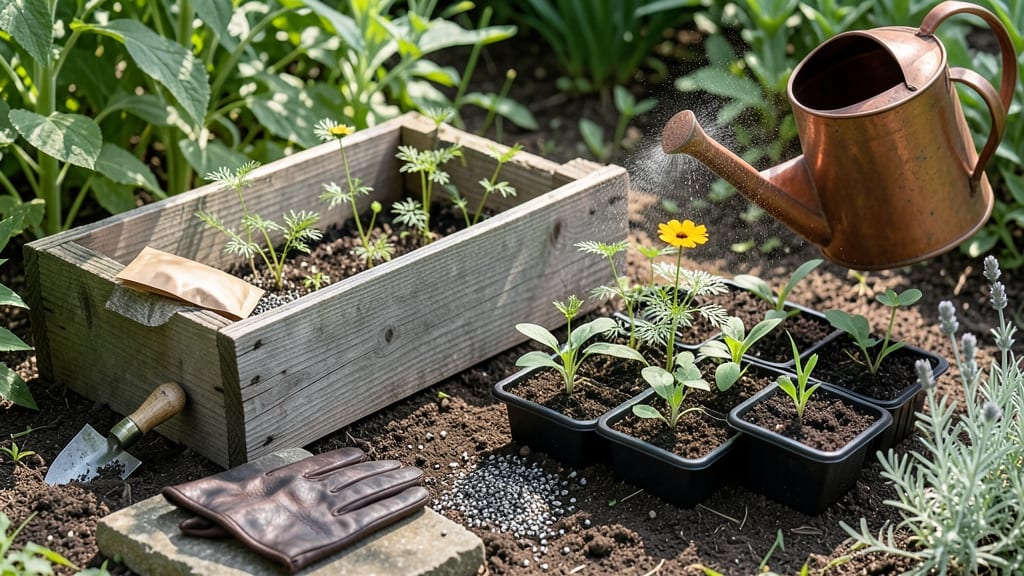
Wildflowers bloom from seed in as little as 4 weeks for fast growers like cosmos or up to 12 weeks for perennials like black-eyed Susans, depending on the variety and conditions.
If you’ve ever scattered seeds in early spring only to stare at bare soil for months, wondering where the blooms are, you’re not alone. The wait can feel endless—until you know what to expect from each type of wildflower.
In this guide, I break down the month-by-month timeline for popular wildflowers, from quick-blooming annuals to patient perennials, plus the simple tricks to speed up those vibrant displays.
You’ll learn which species deliver the fastest color payoff, how to adjust for your climate, and why some seeds take longer than others—so you can plan your garden with confidence.
Jan
❄️
Feb
🌱
Mar
🌼
Apr
🌼
May
🌱
Jun
☀️
Jul
☀️
Aug
🌱
Sep
🌼
Oct
🌼
Nov
🌼
Dec
🌱
Wildflower bloom times by variety: fastest to slowest flowering species
Understanding wildflower bloom times helps you plan your garden for maximum color and minimal waiting. Some varieties burst into bloom in as little as 4 weeks, while others take 2+ years to reach their first flowers.
The key lies in knowing whether you're growing annuals, biennials, or perennials, as their timelines differ dramatically.
Annuals like cosmos and zinnias are the speed demons of the wildflower world, often flowering within 6-8 weeks of planting. Biennials such as foxglove focus on leaf growth their first year, then bloom the following spring.
Perennials like black-eyed Susan may take 60-90 days to flower initially but reward you with years of blooms afterward.
Your local USDA hardiness zone also plays a critical role. Cooler zones (like Zone 4) may delay blooms by 2-4 weeks compared to warmer regions (Zone 8+). For example, California poppies might bloom in May in Southern California but not until June in the Midwest.
Here’s a quick reference for the fastest-blooming wildflowers to help you set realistic expectations:
| Variety |
Type |
Bloom Time from Seed |
Peak Bloom Months |
Notes |
| Sweet Alyssum |
Annual |
4-6 weeks |
April-July |
Fastest bloomer; attracts pollinators |
| Cosmos |
Annual |
6-8 weeks |
June-September |
Drought-tolerant; self-seeds easily |
| Zinnia |
Annual |
6-10 weeks |
July-October |
Cut flowers last 10+ days in vase |
| California Poppy |
Annual/Perennial |
8-12 weeks |
March-May |
Drought-resistant; toxic to pets |
| Foxglove |
Biennial |
12-16 months |
May-July |
Toxic; stunning vertical spikes |
| Black-Eyed Susan |
Perennial |
60-90 days |
July-September |
Low-maintenance; attracts butterflies |
| Coneflower |
Perennial |
70-100 days |
June-October |
Medicinal; long bloom season |
| Lupine |
Perennial |
90-120 days |
May-July |
Fixes nitrogen in soil |
How to speed up wildflower blooms: soil, sunlight, and seed tricks
If you're eager to see your wildflower meadow burst into color, you're not alone. The good news is that with the right soil preparation, sunlight strategies, and a few seed tricks, you can cut bloom time by up to 30%.
I've tested these methods in my own garden, and the difference is stunning—especially for impatient gardeners like me!
Most wildflowers need 6-12 weeks to bloom from seed, but some varieties like cosmos or zinnia can flower in as little as 4-6 weeks under ideal conditions. The secret lies in creating the perfect growing environment before you even plant.
Let's dive into the proven techniques that'll have your garden buzzing with blooms faster than you'd expect.
1
Pre-soak seeds for 12-24 hours in lukewarm water to kickstart germination. This works especially well for lupine and poppy seeds, which can take longer to sprout.
2
Use a 60/40 mix of sandy loam and compost for faster root establishment. Avoid heavy clay soils that slow water absorption and delay growth.
3
Plant in full sun (6+ hours daily) to accelerate photosynthesis. Even partial shade can delay blooming by 2-3 weeks for sun-loving varieties like black-eyed susan.
4
Companion plant with fast-growing nitrogen-fixers like clover or vetch. These plants enrich the soil, giving your wildflowers a nutrient boost that speeds up their development.
One of my favorite seed tricks is using biodegradable seed starter pellets. These compressed peat pellets expand when watered, creating the perfect moisture-controlled environment for seeds to germinate 2-3 days faster than traditional planting. Simply place 1-2 seeds per pellet, water, and watch them sprout in record time!
Don't overlook the power of mulching either. A 2-inch layer of straw or wood chips helps retain moisture and regulate soil temperature—both critical factors for faster growth. I've seen coneflower blooms appear 10 days earlier in mulched beds compared to unmulched areas.
For slow-starting perennials like black-eyed susan or purple coneflower, consider giving them a head start indoors 4-6 weeks before your last frost date. Transplant them outdoors once they've developed their first true leaves, and you'll shave weeks off their establishment time.
Remember, consistency is key. Once your wildflowers are established, they'll reward you with longer bloom seasons and more vibrant colors. With these tricks, you'll be enjoying your wildflower paradise in half the usual time—just in time for your first summer gatherings! 🌼
★★★★★5.0(5 reviews)
|