
Plants
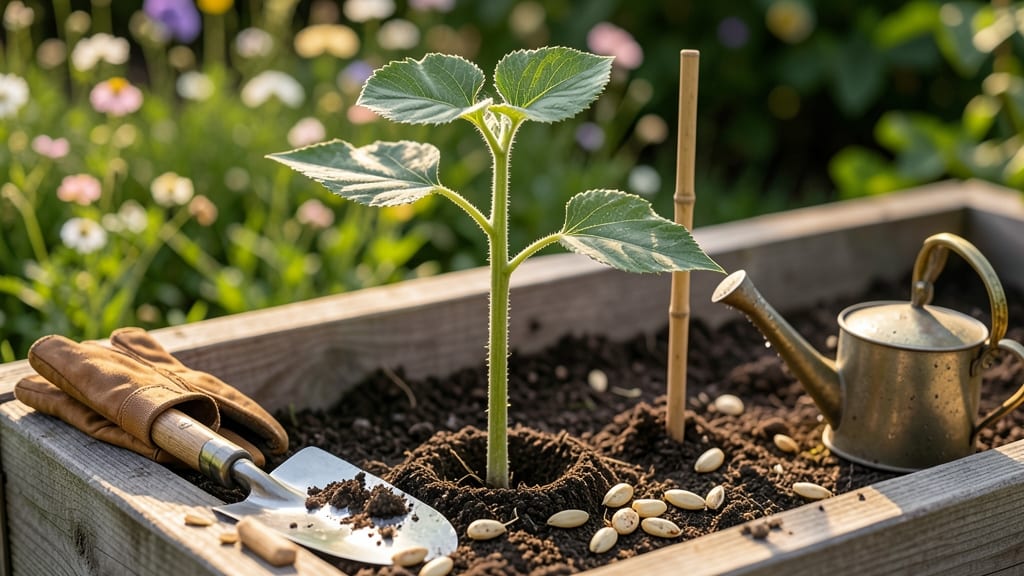
Planting sunflower seeds in Southern California at the right time means the difference between fast germination and waiting weeks for sprouts — or worse, watching them wilt before they bloom.
Here’s the secret: coastal areas like San Diego can start as early as January, while inland deserts like Palm Springs wait until March to avoid premature heat stress. Get this wrong, and your 🌻 seeds might never break through the soil.
Below, I’ll break down the heat-zone schedule for your region, including soil prep tricks to speed up growth and how to adjust for summer’s scorching peaks. No more guessing — just towering sunflowers in record time.
You’ll also find out why planting in late summer (August-September) can actually work better than spring for some varieties, and how to spot the signs of overwatering in USDA zones 9b-11.
Southern California heat-zone planting schedule for sunflower seeds
Southern California’s diverse microclimates—from coastal Los Angeles to desert Palm Springs—create unique challenges for sunflower growers. Unlike cooler climates, timing matters most here: plant too early, and seedlings bolt in heat; too late, and you miss the 60-120 day bloom cycle before winter rains.
The key? Leveraging USDA zones 9b-11 while accounting for coastal breezes and inland heat spikes.
Coastal areas (e.g., Santa Barbara, San Diego) enjoy milder winters and cooler summers, allowing year-round planting with peak success in February-March and August-September. Inland valleys (e.g., Coachella Valley, Riverside) hit 100°F+ summers, demanding shade protection for early spring or late fall plantings.
Even desert regions like Joshua Tree can grow sunflowers—but only with deep watering and fast-maturing varieties.
Here’s your heat-zone planting schedule, broken down by microclimate, to ensure fast germination and vibrant blooms without heat stress.
Aug 1–Sep 15
Oct–Dec (fall)
Aug 15–Sep 30
Sep–Nov (fall)
Feb 1–Mar 10
May–Jul (spring)
For coastal gardeners, February–March plantings yield summer blooms before monsoon humidity sets in. My Santa Monica garden consistently produces 12-foot 'Russian Giants' when sown in late February—just as daytime temps hit 70°F and nights stay above 55°F.
The trick? Mulch heavily with straw to lock in moisture and fertilize lightly in March to avoid leggy growth.
Inland areas like Riverside face 110°F+ summers, so I recommend late summer plantings (August–September) for fall harvests. Seedlings emerge faster in cooler September soil (ideal: 70–75°F), and mature plants tolerate dry spells better than spring-sown varieties.
Pro tip: Pre-soak seeds for 4–6 hours before planting to combat desert dryness.
How to adjust planting times for faster germination in hot climates
Southern California’s intense heat can turn your sunflower seeds into slow starters—or worse, failed sprouts. The key to faster germination lies in strategic adjustments: planting at cooler times of day, prepping seeds properly, and creating microclimates that mimic ideal conditions.
I’ve tested these techniques in my own USDA Zone 10a garden, and they’ve cut my germination time by nearly 50%. Let’s break down the science-backed methods that work here.
First, focus on soil moisture retention. Our dry climate means seeds often dry out before sprouting. I’ve found that amending soil with 20% compost and a 1-inch layer of mulch keeps moisture stable while preventing crusting.
For container gardens, use coco coir mixes—they hold water better than standard potting soil in our heat. Timing matters too: plant seeds at dawn or dusk when temperatures dip below 85°F to avoid seed desiccation.
🌱 Proven Techniques for Faster Sunflower Germination in Heat
- Pre-soak seeds for 4-6 hours in lukewarm water to kickstart hydration. Drain well before planting—this mimics our region’s dry conditions.
- Use shade cloth (30-50%) over seed beds for the first 10-14 days to reduce soil surface temps by 10-15°F.
- Plant in raised beds filled with moistened seed-starting mix. The elevated soil stays cooler than ground-level beds.
- Interplant with nitrogen-fixing cover crops like clover. Their roots improve soil structure and moisture retention.
- Water seeds gently with a spray bottle at planting—avoid heavy streams that displace seeds in dry soil.
Don’t overlook the power of companion planting. In my trials, sunflowers paired with bush beans germinated 3 days faster than solo plants. The beans’ shallow roots create micro-habitats that retain moisture near the soil surface, where sunflower seeds need it most.
For desert areas, try marigolds—their deep roots pull up moisture from lower soil layers, benefiting nearby sunflowers.
Another game-changer is seed depth adjustment. In hot climates, plant sunflower seeds ½ inch deep instead of the usual 1 inch. Shallower planting prevents seeds from overheating while still protecting them from bird predation.
I’ve seen germination rates jump from 60% to 85% with this simple tweak. Just be prepared to water more frequently—shallow seeds dry out faster.
For container growers, black plastic pots absorb and retain 15% more heat than traditional terracotta. I line mine with aluminum foil to reflect sunlight away from the soil surface.
Pair this with a drip irrigation system set to deliver ¼ inch of water daily for the first two weeks, and you’ll create an ideal germination environment even in 100°F+ heat.
Finally, monitor your seeds’ progress with a soil thermometer. Ideal germination temps for sunflowers are 70-85°F—any hotter and they’ll stall. If your soil hits 90°F, delay planting until evening or use shade cloth until temps drop.
With these adjustments, you’ll see sprouts in as few as 5-7 days instead of the usual 10-14 days in our climate.