
Plants
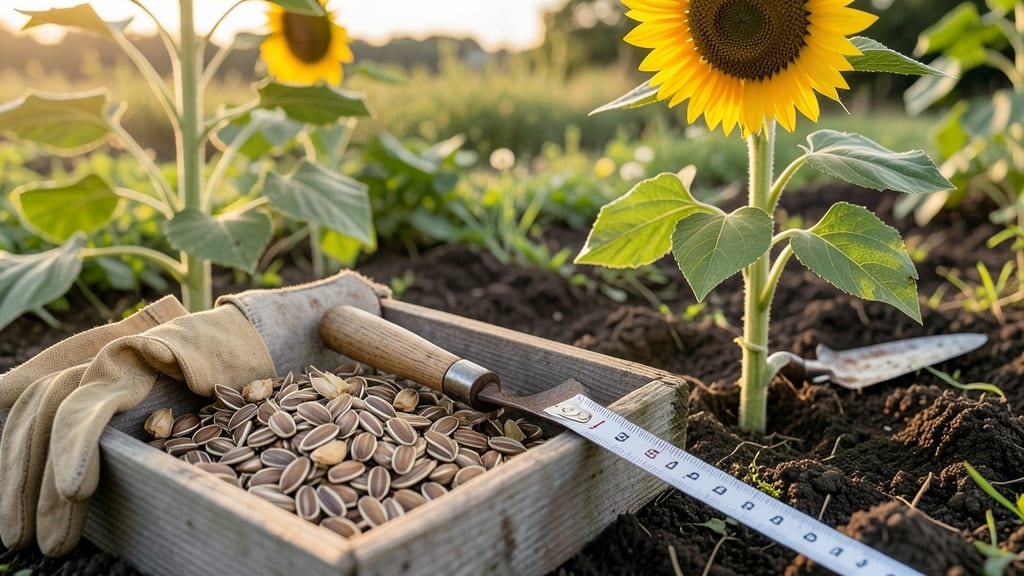
To plant sunflower seeds in California, aim for late March through May when soil temperatures hit 60°F—cooler coastal areas need a slightly later start than inland deserts.
Sunflowers thrive in California’s golden landscapes—but planting them at the wrong time means wilted dreams before they even bloom. Timing is everything, especially when frost-free zones vary wildly from coastal fog to desert heat.
Whether you’re in USDA Zone 7 along the coast or Zone 10 in the Central Valley, the key is matching your sunflower variety to your microclimate. Early-blooming types suit short coastal seasons, while heat-tolerant giants dominate desert regions.
Here’s how to pinpoint your exact planting window, prep soil for maximum growth, and keep your 🌻 sunflowers thriving through summer—no matter where in California you garden.
California sunflower planting zones: frost-free deadlines by region
California’s diverse climate means your sunflower planting window can vary dramatically—from coastal fog belts to desert heat zones. Unlike most states, California has 9 distinct microclimates where last-frost dates shift by weeks.
Planting too early in cold coastal areas or too late in desert regions risks stunted growth or bolting before blooming.
Sunflowers (Helianthus annuus) need warm soil (60°F+) and consistent sunlight to thrive. The key is aligning your planting with your region’s frost-free deadline while avoiding summer’s extreme heat. Below, I’ve broken down the best planting windows for California’s major zones, including heat-tolerance adjustments.
🌱
For coastal regions like San Francisco and Santa Barbara, the last frost date can linger until March 15, so wait until April 15 to plant. Use black plastic mulch to warm soil faster and avoid root rot from coastal dampness.
In the Central Valley, where USDA Zone 9 dominates, you can plant as early as March 1. This zone offers the longest growing season, perfect for tall varieties like ‘Russian Giant’ that need 90+ days to mature.
Southern California’s Zone 10-11 climate lets you start planting by February 1, but watch for heat stress after June 1. Use shade cloth during peak afternoon sun to protect young seedlings from bolting.
Desert areas like Palm Springs have no frost, but summer temperatures can exceed 100°F. Plant in January for spring blooms or September for fall flowers. Always provide deep watering to prevent heat shock.
In the High Sierra foothills, where Zone 6-7 prevails, wait until May 15 to avoid late frosts. Choose early-maturing varieties like ‘Teddy Bear’ that bloom in 60 days to beat summer’s short season.
🌻
Pro tip: For extended blooms, try succession planting—sow seeds every 2 weeks from your region’s optimal window until June 1
Sunflower varieties that beat California’s climate challenges
California’s climate throws curveballs—coastal fog, desert heatwaves, and unpredictable frost-free zones—but the right sunflower varieties can turn those challenges into golden victories. Drought-resistant hybrids like 'Autumn Beauty' thrive in dry inland areas, while early-blooming types such as 'Teddy Bear' beat short coastal seasons.
For desert regions, heat-tolerant giants like 'Russian Giant' stand tall despite 110°F+ temperatures. Each variety needs a tailored planting schedule to avoid bolting or wilting.
Timing matters most in California. Coastal areas (USDA zones 9-10) can plant sunflower seeds as early as February, while inland valleys (zones 7-8) wait until mid-April after frost risk passes.
Desert regions (zone 10+) often start seeds indoors in January for a head start. Matching your variety to your microclimate isn’t just smart—it’s essential for full sunflower success.
| Variety | Best For | Planting Window | Height | Days to Bloom |
|---|---|---|---|---|
| Autumn Beauty | Drought-prone inland | March–April | 3–5 ft | 60–70 days |
| Teddy Bear | Coastal short seasons | February–March | 1.5–2 ft | 50–60 days |
| Russian Giant | Desert heat zones | January (indoors) | 10–12 ft | 80–90 days |
| Moulin Rouge | Containers & urban | April–May | 4–5 ft | 65–75 days |
For coastal gardeners, prioritize early-blooming varieties like 'Teddy Bear' to escape summer fog. Plant seeds 2–3 weeks before your last frost date—typically mid-February in San Francisco—to ensure blooms before humidity sets in. Mulch heavily with straw to retain moisture and prevent bolting from cool nights.
Inland and desert regions demand heat-tolerant powerhouses. 'Russian Giant' sunflowers need deep, well-draining soil and consistent watering until established, but once rooted, they handle 100°F+ temps like champions.
Start seeds indoors by January 15th for transplanting after March 1st, when soil temps exceed 60°F. Use drip irrigation to avoid wetting leaves and inviting fungal diseases.
Don’t overlook dwarf varieties like 'Moulin Rouge' for containers or small spaces. These thrive in partial shade (3–4 hours of sun) and bloom reliably in 65–75 days, making them perfect for urban balconies or shady patios.
Plant these April–May after soil warms, and fertilize lightly with low-nitrogen compost to encourage blooms over foliage.
Pro tip: Succession plant every 2 weeks in spring for continuous blooms. Even in California’s extremes, staggered plantings ensure sunflowers brighten your garden from June through October. Pair heat-lovers with drought-tolerant types to create a resilient, low-maintenance display that outshines the challenges.