
Plants
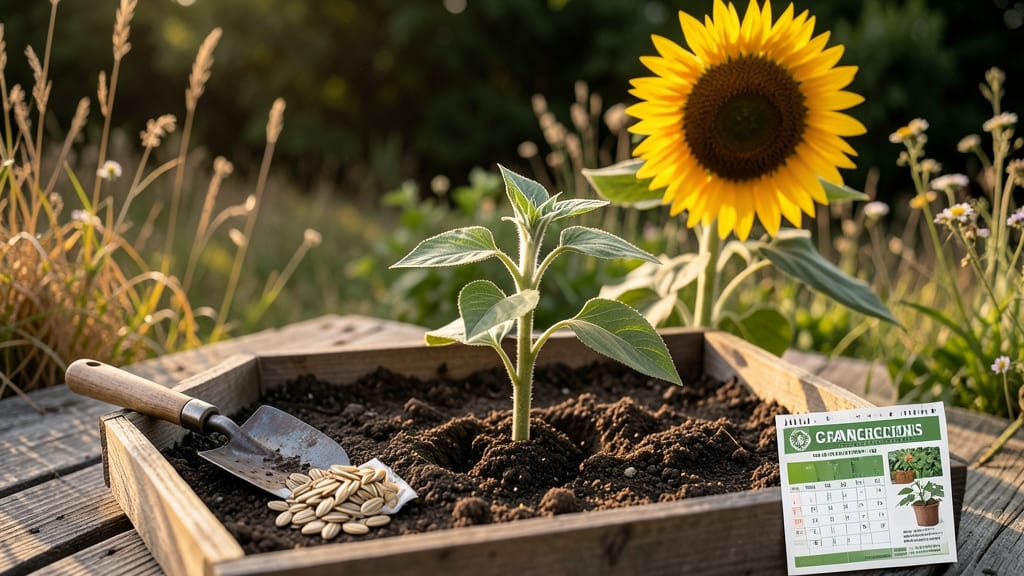
To plant sunflower seeds in Michigan, wait until after the last frost—typically mid-May to early June—when soil temps hit 55°F or warmer 🌻. Michigan gardeners know timing is everything: plant too early, and frost will kill your seedlings; too late, and you’ll miss the towering summer blooms.
With Michigan’s diverse climate zones, the perfect window varies by variety and location. In Zone 5b, like northern Michigan, start with cold-hardy dwarf varieties like 'Teddy Bear' in late April, while southern Michigan’s Zone 6b can handle taller types like 'Moulin Rouge' planted in early May.
Below, I break down frost-free dates by zone, the best sunflower varieties for Michigan’s short growing season, and pro tips to extend your harvest—including how to squeeze in a second planting for fall blooms.
You’ll also learn how to prep your soil, avoid common mistakes, and even use row covers to push your sunflowers’ growth cycle just a little longer.
Michigan sunflower planting dates by USDA hardiness Zone (2024 guide)
Michigan’s USDA Zones 4-6 create distinct planting windows for sunflowers, where timing can mean the difference between vibrant summer blooms and frost-damaged seedlings. In northern Michigan (Zone 4), you’ll need to wait until late May, while southern Michigan (Zone 6) gardeners can start as early as mid-April.
The key is planting after the average last frost date, which varies by region.
For direct sowing, most sunflower varieties thrive when soil temperatures reach 55°F (13°C), typically aligning with Michigan’s last frost in early May for most areas. However, transplanting should only happen after seedlings are 3-4 inches tall and all frost risk has passed.
This usually means waiting until early June in colder northern zones.
Here’s how Michigan’s climate zones break down for sunflower planting:
| USDA Zone | Last Frost Date | Direct Sowing Window | Transplanting Window | Late-Summer Varieties |
|---|---|---|---|---|
| Zone 4 (Northern MI) | Mid-May (May 15) | Late May - Early June | Early June (after June 1) | July 15 (fast varieties only) |
| Zone 5 (Central MI) | Early May (May 1) | Mid-April - Late May | Late May (after May 15) | July 1 (dwarf varieties) |
| Zone 6 (Southern MI) | Late April (April 20) | Late April - Early June | Mid-May (after May 1) | July 15 (standard varieties) |
In Zone 4, where winters are harshest, I recommend sticking to fast-maturing varieties like 'Teddy Bear' (50-55 days to maturity) to ensure blooms before the first frost in October. These varieties can even handle a late July planting in protected microclimates, like near south-facing walls.
For Zone 5 and 6, gardeners have more flexibility. Tall varieties like 'Moulin Rouge' (90-100 days) can be planted as early as late April in southern Michigan, while dwarf varieties like 'Sunspot' (60 days) work well for late summer plantings in July.
The key is adjusting based on your first frost date, which typically arrives in mid-October.
Always check the Michigan State University Extension for your local frost dates, as they can vary by 5-7 days even within the same zone.
For example, Detroit (Zone 6a) often sees its last frost by April 20, while Traverse City (Zone 5b) may not reach frost-free conditions until May 10.
If you’re unsure about your exact last frost date, use a frost calendar or plant heat-loving sunflowers after Memorial Day (late May) as a safe bet. This ensures your seedlings won’t face unexpected late spring frosts, which can be devastating to young plants.
For late-summer varieties, focus on short-season types like 'Autumn Beauty' (80 days), which can be sown in early July. These varieties need full sun and warm soil, so avoid planting in shady or cool microclimates where growth will stall.
Pro tip: Use a soil thermometer to confirm soil temperatures are above 55°F (13°C) before planting. Cold soil delays germination, and sunflowers are sensitive to soil-borne diseases when stressed by cool conditions.
Finally, remember that Michigan’s weather is unpredictable. Always have row covers or frost cloth on hand for late spring plantings, especially in Zone 4. With the right timing, you’ll enjoy sunflowers towering over your garden by summer’s end! 🌻
Best sunflower varieties for Michigan’s short vs. long growing seasons
Michigan’s diverse climate zones mean northern gardens face shorter growing seasons than southern ones. Choosing the right sunflower varieties ensures vibrant blooms, whether you’re in Zone 4 or Zone 6.
For northern Michigan, fast-maturing dwarf varieties like 'Teddy Bear' thrive, while southern regions can support tall, dramatic varieties like 'Moulin Rouge' with ease.
In northern Michigan (Zones 4-5), where summers are brief, prioritize compact varieties that reach maturity in 50-60 days. These dwarf sunflowers avoid frost damage and still deliver cheerful blooms before fall.
Southern Michigan’s longer growing season (Zones 5-6) allows for taller varieties that take 80-100 days to mature, offering showstopping height and seed production.
| Variety | Height | Days to Maturity | Best for Zone | Planting Window |
|---|---|---|---|---|
| 'Teddy Bear' | 2-3 ft | 50-55 days | 4-5 (Northern MI) | Late May-June |
| 'Moulin Rouge' | 10-12 ft | 80-90 days | 5-6 (Southern MI) | Early May |
| 'Autumn Beauty' | 5-6 ft | 60-70 days | 4-6 (All MI) | Late April-June |
| 'Russian Giant' | 12-14 ft | 90-100 days | 5-6 (Southern MI) | Early May |
For northern Michigan gardens, 'Teddy Bear' is a reliable choice—its 55-day maturity ensures blooms before early fall frosts. Plant seeds after last frost (mid-May) in well-draining soil for best results.
In southern Michigan, 'Moulin Rouge' reaches 10+ feet tall and thrives when planted early May, giving it ample time to mature before first frost.
'Autumn Beauty' is a versatile middle-ground option for all Michigan zones. Its 60-day maturity and 5-foot height make it ideal for cut flowers or bird-friendly gardens. Plant seeds late April to June in full sun for continuous blooms through late summer.
For late-season color, consider succession planting with fast varieties like 'Teddy Bear' in early July.
When selecting varieties, also consider seed production if you’re saving seeds for next year. Tall varieties like 'Russian Giant' yield heavy seed heads, while dwarf types produce smaller but abundant seeds.
Always space plants properly—dwarf varieties need 12 inches apart, while giants require 24+ inches to avoid overcrowding.
Pro tip: Use black plastic mulch in northern regions to warm soil faster and extend the growing season. This helps fast-maturing varieties like 'Teddy Bear' reach maturity 1-2 weeks earlier. For southern Michigan, stake tall varieties early to prevent wind damage—a common issue with 10+ foot sunflowers.
🌻