
When to Plant Flowers in Arizona: Desert-Proof Timing for Year-Round Color

Flowers

When to Plant Flowers in Arizona: Desert-Proof Timing for Year-Round Color

To plant flowers in Arizona, aim for fall (September–November) or winter (December–February) when temperatures are milder and the desert isn’t baking your seedlings alive.

Picture this: you’ve just dropped $50 on vibrant annuals, only to watch them crisp under the 110°F sun by June. That’s why timing is everything in Zone 9b—skip the spring rush and let cooler months work in your favor.

Fall planting gives roots time to establish before summer’s brutal heat, while winter varieties like desert marigolds thrive with minimal fuss.

We’ll break down the best months by flower type, how to beat the monsoon downpours, and which heat-loving natives (like palo verde blooms) will outlast your neighbors’ wilting petunias.

Ready to turn your Arizona yard into a year-round bloom parade? Here’s exactly when to dig, which flowers to pick, and how to keep them alive through the desert’s wildest swings.

🌸 When to Plant Flowers
Jan ❄️
Feb ❄️
Mar 🌱
Apr 🌱
May 🌸
Jun ☀️
Jul ☀️
Aug 🌱
Sep 🌸
Oct 🌸
Nov 🌸
Dec 🌱
Ideal Time
Also Good

Arizona flower planting calendar: month-by-month desert gardening guide

Arizona’s desert climate offers a unique gardening challenge with its intense heat and low humidity. Unlike traditional gardening regions, timing is everything—planting at the wrong time can mean wilting flowers or wasted resources.

The key is to align your planting schedule with temperature shifts and monsoon patterns to give flowers the best chance to thrive.

Most Arizona gardeners focus on fall and winter planting to avoid the brutal summer sun. However, some heat-tolerant annuals and native perennials can handle summer planting with proper care.

Understanding your specific microclimate—whether you're in the Sonoran Desert or the high desert—will help you fine-tune your schedule for success.

Here’s your month-by-month guide to planting flowers in Arizona, tailored for annuals, perennials, and native species. This calendar accounts for heat tolerance, water availability, and local frost risks (though most of Arizona is frost-free year-round).

<

Best heat-tolerant flowers to plant in Arizona’s harsh seasons

Arizona’s extreme heat and low humidity can turn a flower garden into a struggle, but the right heat-tolerant varieties thrive in these conditions. I’ve planted everything from delicate petunias to hardy desert marigolds, and these top performers consistently deliver color with minimal fuss.

The key? Choosing drought-resistant natives and seasonal standouts that match Arizona’s USDA Zone 9b climate.

For summer blooms, focus on flowers that handle 110°F+ temperatures with ease. Many of these varieties also repel pests naturally, reducing the need for chemicals. If you’re dealing with shady spots under trees or arroyos, there are still shade-loving options that won’t wilt.

Let’s dive into my curated list of Arizona-proven flowers, including planting tips to keep them thriving all year.

1
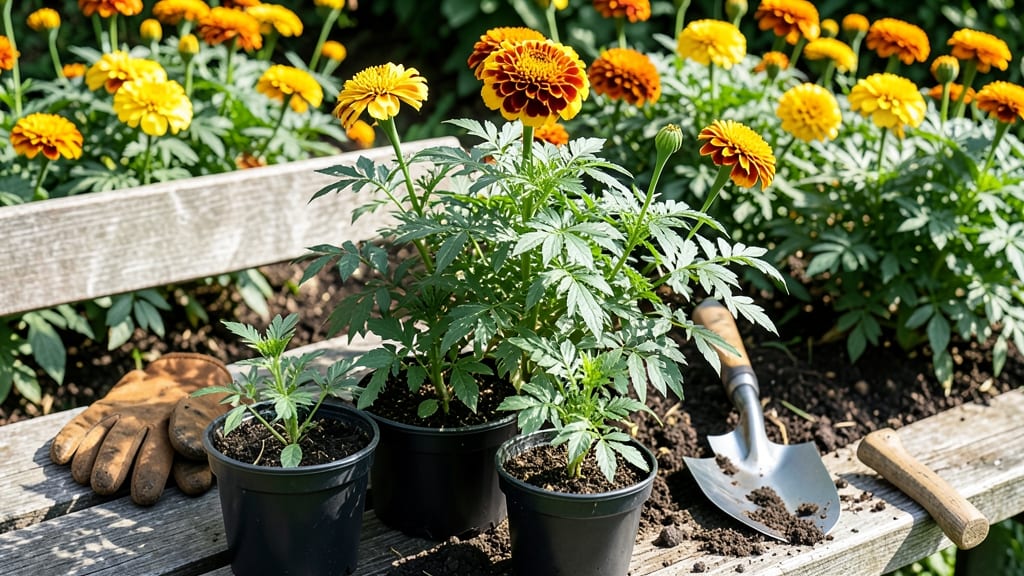
Desert Marigold (Baileya multiradiata)
🌡️ 110°F+ tolerance | 💧 Drought-proof | 🌿 Native pollinator magnet
2
Mexican Sunflower (Tithonia rotundifolia)
☀️ Full sun lover | 🌱 Fast-growing annual | 🪴 3-6 ft tall
3
Blanket Flower (Gaillardia)
🌿 Perennial rebloomer | ✂️ Deadhead for continuous blooms | 🌸 Red/yellow/orange hues
4
Lantana (Lantana camara)
🐝 Butterfly superstar | 💧 Water every 2 weeks | 🌿 Drought-tolerant shrub
5
Zinnia (Zinnia elegans)
🌱 Easy annual | 🌞 Full sun | 🌼 Cut flower favorite

My #1 recommendation for Arizona gardens is the desert marigold. This native wildflower thrives in poor, rocky soil and blooms from spring through fall with almost no care. I planted mine in October last year, and it’s still going strong—even through our 115°F July heat waves.

For shadier areas, try Mexican bush sage (Salvia leucantha), which handles partial shade beautifully while attracting hummingbirds.

If you’re aiming for summer color, lantana and Mexican sunflowers are my go-to choices. Both handle intense heat and drought like champions. I’ve seen lantana bushes in my Phoenix garden bloom nonstop from May to November with just bi-weekly watering.

For perennial options, blanket flower and desert penstemon return year after year, cutting back on replanting costs.

For container gardening on patios or balconies, zinnia and portulaca are perfect. They handle pot heat better than most flowers and rebloom quickly when deadheaded. I keep mine in terracotta pots with cactus mix soil, watering only when the top inch feels dry.

This low-maintenance approach has saved me hours of gardening time while keeping my balcony vibrant all summer.

Pro tip: Always mulch heavily around your heat-tolerant flowers to lock in moisture and regulate soil temps. I use 3-4 inches of gravel mulch in my desert landscapes, which reduces watering needs by 50%.

Pair these sun-loving flowers with drought-tolerant ground covers like sedum or ice plant for a low-water, high-impact garden that thrives in Arizona’s harshest seasons.

★★★★★4.8(1 review)
Categories Flowers
Month Best Flowers to Plant Key Considerations Watering Tips
January Pansies, Snapdragons, Sweet Alyssum, Desert Marigold Cool temps (30s-60s°F); ideal for cool-season annuals Water deeply 2-3x/week; mulch to retain moisture
February Calendula, Stock, Sweet Peas, Desert Bluebells Warm up begins; transition to spring-blooming perennials Reduce to weekly watering as temps rise
March Lantana, Zinnias, Portulaca, Blanket Flower Heat intensifies; focus on heat-tolerant annuals Water deeply every 5-7 days; avoid wetting foliage
April Desert Willow, Gaillardia, Yucca, Agave Monsoon prep; plant drought-resistant natives Water deeply every 7-10 days; let soil dry between waterings
May Sunflowers, Cosmos, Marigolds, Verbena Extreme heat; limit to shade-tolerant or fast-growing varieties Water early morning only; mulch heavily
June None (focus on transplanting seedlings or succulents) Peak heat; avoid planting new flowers unless heat-acclimated Water only if no rain; group plants for efficiency
July None (dormancy for most plants) Monsoon season; avoid planting unless preparing for fall Water only during drought; rely on natural rainfall
August Mums, Snapdragons, Sweet Alyssum (late season) Prep for fall; cool-season flowers can handle late summer Water 2x/week if no monsoon rains
September