
Mower
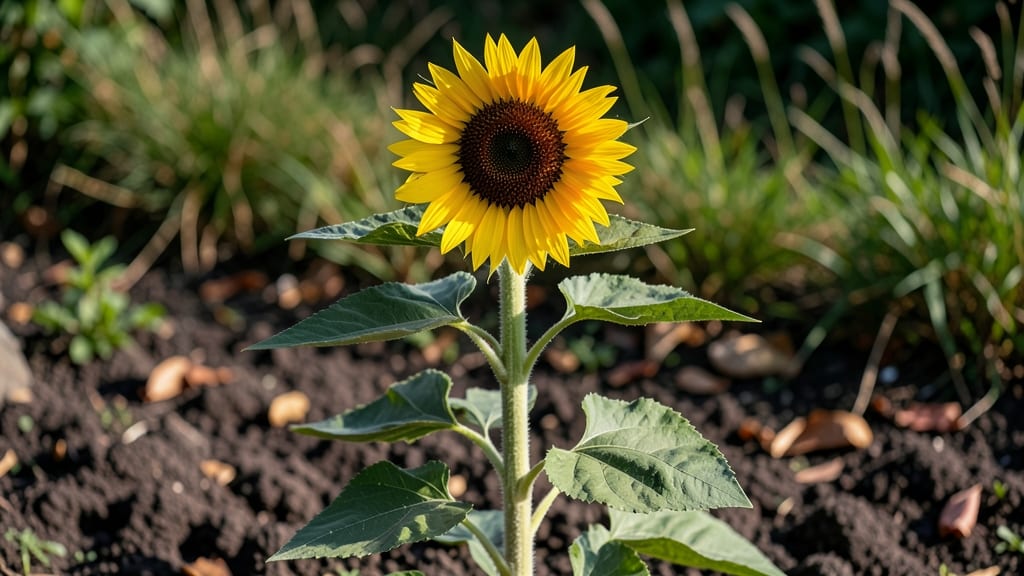
Mexican sunflowers can reach a height of 3 to 10 feet, turning your garden into a vibrant pollinator magnet—but only if you know how to guide their growth.
Picture this: bright orange blooms towering over your patio, drawing hummingbirds and bees while adding drama to your landscape. Yet, without the right spacing or support, those towering stems can flop or compete for nutrients, leaving you with a less impressive display.
The secret lies in understanding how sunlight, soil, and pruning influence their height.
In USDA Zone 6a, where spring planting kicks off in April, these sunflowers shoot up quickly—some reaching their full height in just 60 to 90 days. But not all varieties play by the same rules.
Dwarf types stay compact, while standard varieties can stretch toward the sky, making spacing and staking your best friends for a show-stopping garden.
Below, I break down the height ranges by variety, when to expect those stunning blooms, and how to manage their size so you get the perfect balance of beauty and stability—without the guesswork.

How tall do Mexican sunflowers grow? Height ranges by variety and growing conditions
Mexican sunflowers (Tithonia rotundifolia) are famous for their towering presence and fiery orange blooms, but their height varies dramatically depending on the variety and growing conditions. While some varieties can reach 10 feet or taller, others stay compact at just 3–5 feet.
Understanding these differences helps you choose the perfect type for your garden space and growing style.
Native to Mexico and Central America, these sunflowers thrive in warm climates but can also grow in USDA zones 6–11 with proper care. Their height potential is influenced by genetics, sunlight exposure, soil fertility, and pruning habits.
For example, the classic Mexican sunflower (Tithonia rotundifolia) often grows 6–10 feet tall, while newer dwarf cultivars like 'Torch' or 'Mexican Sunflower 'Lemon' stay between 3–5 feet.
To help you visualize the differences, here’s a quick comparison of Mexican sunflower height across popular varieties and growing scenarios:
The standard Mexican sunflower (Tithonia rotundifolia) is the tallest variety, often topping out at 10 feet in ideal conditions. These giants need full sun (6+ hours daily) and well-draining soil to reach their full potential.
In contrast, dwarf varieties like 'Torch' are perfect for containers or small spaces, staying under 5 feet while still producing abundant blooms.
Soil quality plays a huge role in determining height. Mexican sunflowers prefer sandy or loamy soil with a pH of 6.0–7.5. Rich, fertile soil can encourage taller growth, while poor or rocky soil may stunt their development.
Amending your soil with compost or aged manure before planting gives them the nutrients they need to thrive.
Sunlight is another critical factor. These sunflowers are heliotropic, meaning they follow the sun throughout the day. Full sun exposure (6+ hours) ensures they grow tall and strong, while partial shade can lead to leggy, weak stems and fewer blooms.
If you're growing them in containers, place them in a south-facing spot or use a sun-tracking trellis to maximize light.
Pruning can also influence height. If you want a bushier, shorter plant, pinch back the top growth when the plant is young to encourage branching. This technique reduces overall height but increases flower production.
For taller varieties, minimal pruning is needed—just remove dead or damaged stems to keep the plant healthy and upright.
In my own garden, I’ve found that Mexican sunflowers grow fastest during the summer months when temperatures are warm and days are long. They can add up to 2 feet of height per month under ideal conditions.
However, in cooler climates or shorter growing seasons, their growth may slow, resulting in a shorter mature height.
For gardeners with limited space, consider dwarf varieties or container growing. Even the tallest Mexican sunflowers can be staked or trellised to save space while still enjoying their stunning blooms.
Just be sure to secure supports early—once they reach 5 feet tall, they become top-heavy and prone to falling over.
Whether you're planning a dramatic backyard border or a compact container display, choosing the right variety and providing optimal growing conditions ensures your Mexican sunflowers will reach their full height potential—and wow your neighbors with their vibrant beauty. 🌻
When do Mexican sunflowers reach full height? Growth stages and bloom timing
Mexican sunflowers (Tithonia rotundifolia) are fast growers that can transform your garden in just a few months, but their timeline depends on variety, climate, and care.
Most varieties reach their peak height of 6–10 feet within 60–90 days from seed, though some dwarf types mature in as little as 45 days. Understanding their growth stages helps you predict when those stunning orange blooms will appear—and how to support them along the way.
From seed to full bloom, Mexican sunflowers pass through three critical growth phases: germination, vegetative growth, and flowering. Each stage has distinct milestones, like first true leaves (2–3 weeks) and bud formation (6–8 weeks).
The speed of these phases varies by USDA hardiness zone, with warmer climates (Zones 8–11) accelerating growth by 2–4 weeks compared to cooler regions (Zones 6–7).
🌱
- Week 1–2: Seed germination in 60–75°F soil. Tiny sprouts emerge with cotyledon leaves (seed leaves).
- Week 3–4: True leaves appear (serrated, dark green). Plant reaches 6–12 inches tall if given full sun.
- Week 6–8: Rapid stem elongation begins. Buds form at stem tips; height jumps to 3–5 feet.
- Week 9–12: Full height reached (6–10 ft). Blooms open in bright orange-yellow, attracting pollinators.
Your climate zone plays a huge role in timing. In Zone 9–11, Mexican sunflowers may bloom as early as late June if planted in March, while gardeners in Zone 6 often wait until August for flowers.
Even a 10°F temperature drop can delay bud opening by 1–2 weeks, so monitor your local frost dates. For example, if your last frost is April 15, aim to plant seeds by mid-March to hit the 60–90-day window for summer blooms.
Factors like soil fertility and watering consistency also tweak the timeline. Over-fertilizing with nitrogen can stunt flowering by promoting leafy growth instead of stems, while drought stress during bud formation may cause blooms to drop.
I’ve found that mulching with compost in early spring gives my plants a 2-week head start by improving soil moisture retention. Even a light pruning (cutting back leggy stems by 1/3) in late spring can encourage bushier, faster growth later in the season.
Pro tip: Use a growth tracker (like a small garden journal) to note when your plants hit each stage. For instance, if your sunflowers reach 3 feet by June 1, they’re likely on track for full height by late July.
This helps you plan for support stakes (if needed) or succession planting of shorter varieties like ‘Torch’ (3–5 ft) alongside taller types. With the right conditions, you’ll enjoy continuous blooms from July through frost**—a pollinator’s paradise!
🌻