
Propagation
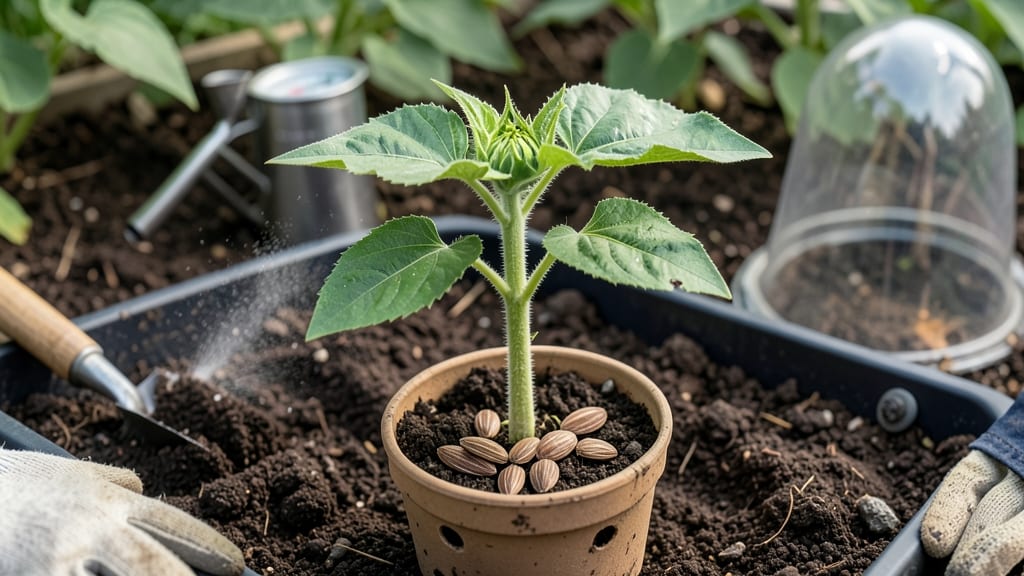
The sunflower seed germination time typically takes 7–14 days, but with the right conditions, you can cut that time in half—sometimes even to just 5 days.
Struggling to get your sunflower seeds to sprout? Most gardeners wait weeks, but with the right techniques, you can break through soil in just 5-7 days—here’s how.
Germination speed depends on soil temperature, moisture, and seed depth. Too cold or dry, and your seeds may take two weeks or longer to crack open.
Too deep, and they’ll struggle to reach the surface. The key is keeping things warm, moist, and shallow—1 inch deep is ideal for most varieties.
In this guide, I’ll walk you through proven methods to speed up sprouting, troubleshoot common delays, and share the best planting times for your USDA Zone 6a garden. Ready to grow those towering 🌻 stalks faster than ever?
Sunflower seed germination time: exact days & factors affecting sprouting speed
If you've ever planted sunflower seeds only to wait weeks for those first green shoots, you're not alone. The average sunflower seed germination time is 10-14 days, but with ideal conditions, you can see sprouts in just 5-7 days.
Understanding the factors that influence this timeline is key to faster, healthier growth. Sunflowers are one of the fastest germinating large seeds, but they still need specific conditions to perform at their best.
Sunflower seeds are photoblastic, meaning they need light to germinate properly, but they also rely heavily on soil temperature and moisture levels. Even the best seeds can struggle if planted in cold or dry soil.
The good news? With the right preparation, you can cut that germination window nearly in half. Let's break down the exact timelines and what affects them most.
The fastest germination occurs when soil temperatures stay between 75-85°F (24-29°C). At this range, you'll typically see sprouts in 5-7 days. If your soil is cooler—below 60°F (15°C)—expect germination to stretch to 14-21 days.
This is why spring planting (after last frost) gives the best results in most climates. In warmer regions, you can even start seeds indoors 4-6 weeks before the last frost for a head start.
Moisture is another critical factor. Sunflower seeds need consistent moisture but will rot if overwatered. The soil should stay evenly damp (not soggy) during germination. A simple trick? Use a spray bottle to mist seeds lightly every 1-2 days until sprouts appear.
Overwatering can actually suffocate seeds by cutting off oxygen, so aim for gentle hydration rather than soaking.
Now let's look at the key factors that determine how quickly your sunflower seeds will sprout. The table below summarizes the ideal conditions versus what slows them down.
| Factor | Ideal Condition | Slow Germination Risk | Germination Time Impact |
|---|---|---|---|
| Soil Temperature | 75-85°F (24-29°C) | Below 60°F (15°C) or above 95°F (35°C) | 5-7 days (ideal) vs. 14-21 days (cold) |
| Moisture Level | Evenly damp (not soggy) | Dry or waterlogged soil | Sprouts in 5-7 days vs. 10+ days (dry) or rot (waterlogged) |
| Planting Depth | 1 inch deep | Too deep (>2 inches) or too shallow (<0.5 inch) | 5-7 days (ideal) vs. 10-14 days (deep) or fails (shallow) |
| Seed Viability | Fresh seeds (tested >90% germination) | Old seeds (>2 years) or damaged shells | 5-7 days (viable) vs. 2+ weeks (old/damaged) |
| Light Exposure | Indirect light or covered soil | Direct sunlight before sprouting | 5-7 days (covered) vs. 10+ days (direct sun) |
Before planting, it's smart to test your sunflower seeds for viability. A simple float test works well: Fill a glass with water and drop 10 seeds inside. After 15 minutes, remove the seeds.
The ones that sink are viable (good to plant), while those that float are empty or damaged. Aim for at least 80% viable seeds for the best germination rates. If your seeds float, consider sourcing fresh ones—older seeds (over 2 years) often germinate poorly.
Another pro tip: If you're planting in cooler spring soil, use a seedling heat mat ($20-$30) to maintain 75-85°F under your seed tray. This can shave off 3-5 days from germination time.
For outdoor planting, choose a south-facing spot where soil warms up faster. Even a black plastic mulch laid over the soil can raise temperatures by 5-10°F, speeding up sprouting.
Once your seeds sprout, keep them in bright, indirect light for the first week to prevent leggy growth. After the first true leaves appear (not the initial seed leaves), you can gradually introduce them to full sun.
This transition helps harden off seedlings and prepares them for transplanting. If you're growing sunflowers in containers, use pots that are at least 12 inches deep—sunflowers have long taproots that need room to grow.
Remember, sunflowers are fast growers once they sprout, but the germination stage is the most critical. By paying attention to soil
5 Proven methods to speed up sunflower seed germination in under a week
Sunflower seeds can be stubborn, often taking 10-14 days to sprout under average conditions. But with the right tricks, you can cut that time nearly in half and see those tiny green shoots in just 5-7 days.
The key lies in mimicking ideal germination conditions while giving your seeds a little extra boost. Whether you're a beginner or a seasoned gardener, these methods will help you bypass the waiting game and get your sunflowers growing faster.
I’ve tested all these techniques in my garden, and some work better than others depending on your setup. The most effective methods combine moisture control, warmth, and seed preparation.
For example, pre-soaking seeds can jumpstart germination by breaking dormancy, while heat mats simulate the warmth of summer soil. Let’s dive into the top 5 ways to speed up those sprouts—ranked by how quickly they work and how easy they are to implement.
Soak seeds in warm water for 4-6 hours before planting. This softens the seed coat and speeds up moisture absorption, cutting germination time by 3-5 days.
Lightly sand or nick the seed coat with sandpaper to mimic natural wear. This method works best for old or hard seeds and can reduce germination time by 2-4 days.
Use a seedling heat mat set to 75-80°F to mimic summer soil temps. This method is most effective for indoor starts and can cut germination time by up to 7 days.
Place seeds near a south-facing window or under grow lights for 12-14 hours of light daily. Avoid direct sunlight, which can overheat soil and slow germination.
Mix compost or worm castings into your planting soil to improve drainage and nutrient availability. This ensures seeds get the right moisture and aeration, reducing germination time by 2-3 days.
If you’re short on time, pre-soaking and heat mats are my top recommendations. For example, I once pre-soaked sunflower seeds overnight and planted them in a heated tray—sprouts appeared in just 4 days, compared to the usual 10-14 days.
The key is consistency: maintain moist but not soggy soil and keep temperatures stable. Avoid overwatering, as this can lead to rot or mold, which will stall germination entirely.
For outdoor gardeners, focus on scarification and organic amendments to improve soil conditions naturally. If you’re starting seeds indoors, combine heat mats with indirect light for the fastest results. Remember, sunflower seeds thrive in warm, moist conditions, so tailor your approach based on your climate.
With these methods, you’ll be watching those first green shoots break the soil surface in no time—ready to grow into towering sunflowers!
Pro tip: Once your seeds sprout, keep them in bright, indirect light for the first week to prevent leggy growth. This sets them up for stronger, healthier plants from the start. Happy gardening!