
How To
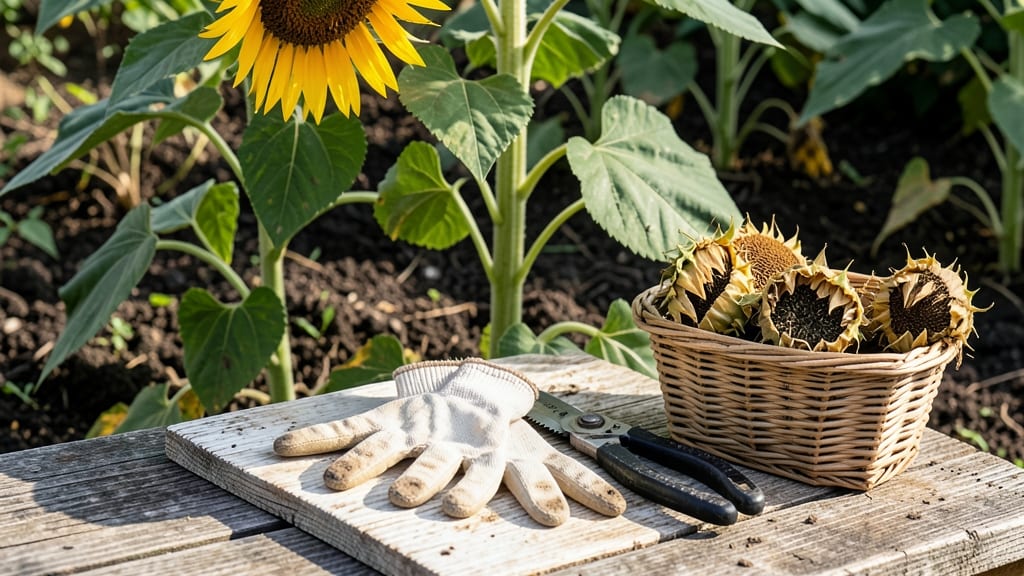
Knowing when sunflower seeds 🌻 are ready to harvest can turn a great crop into a perfect one — or leave you with nothing but empty heads.
Picture this: you’ve nurtured your sunflowers all season, and now the moment of truth arrives. One wrong move, and birds or rain will snatch your harvest before you even know it’s ready. But there’s a foolproof trick to catch them at the perfect moment.
The secret? A simple back-of-hand test that reveals whether the seeds are fully mature or still clinging to life. No guesswork, no waiting too long — just a quick check that tells you exactly when to act.
In this guide, I’ll walk you through the visual and physical cues to spot, the best time of day to harvest, and how to handle your seeds afterward to save them for next year’s garden.


The back-of-hand test: sunflower seed ripeness explained
Sunflowers are one of the easiest plants to grow, but knowing when to harvest their seeds can be confusing. The back-of-hand test is a foolproof method that combines visual cues with a simple touch to determine ripeness.
This technique ensures you pick seeds at their peak flavor and nutritional value while avoiding common pitfalls like bird damage or overripe seeds that shatter.
This test works because sunflower seed heads mature from the center outward. As the seeds ripen, the moisture content decreases, making the seed head feel drier and lighter. The back of your hand is sensitive enough to detect subtle changes in texture and firmness that your fingertips might miss.
Plus, it’s a non-destructive way to check ripeness without damaging the plant.
How to Use the Back-of-Hand Test
- 1 Observe the seed head: Look for yellow-brown color on the back of the seed head (the side opposite the petals). The petals should be dry and wilted, often falling off naturally.
- 2 Press the back of your hand gently against the seed head. If it feels dry and papery (like crumpled paper), the seeds are ready. If it feels moist or spongy, wait 3–5 days and retest.
- 3 Shake the seed head gently. If seeds rattle inside, they’re ready. If they sound hollow or muted, wait another week. This confirms the seeds have fully matured but haven’t yet shattered.
- 4 Check the stem: Bend the stem near the base. If it snaps easily, the plant is ready for harvest. A green or flexible stem means the seeds need more time.
- 5 Harvest before birds do: Once the seed head passes the test, cut the stem with pruners or shears, leaving a 6-inch stalk. Hang the head upside down in a dry, well-ventilated place (like a garage or shed) for 1–2 weeks to fully dry.
The science behind this test lies in the moisture loss during seed maturation. As sunflowers age, their seed moisture content drops from 30% to 10%, making the seed head lighter and drier.
The back of your hand detects this change more accurately than fingers because it’s less sensitive to surface moisture and better at feeling structural dryness.
Timing is critical because sunflowers ripen unevenly. Some varieties, like 'Mammoth' or 'Russian Giant', take 90–120 days to mature, while dwarf varieties like 'Teddy Bear' may be ready in 60–75 days.
Always monitor your specific variety and use the back-of-hand test as your final check, especially in humid climates where seed heads dry slower.
Pro tip: Harvest on a dry, sunny morning to avoid mold growth during drying. If rain is forecasted, harvest immediately—even if the seeds aren’t fully dry—to prevent rot or sprouting in the head.
Store dried seeds in a paper bag or breathable container in a cool, dark place for up to 6 months.
One common mistake is waiting too long, which leads to seed shattering or bird predation. Birds like cardinals and finches are drawn to ripe sunflower seeds, so harvesting at the right time protects your crop. The back-of-hand test helps you strike the perfect balance between maturity and timing.
For large sunflower varieties, like 'Autumn Beauty', you might need to harvest in stages because different seed heads ripen at slightly different times. Always prioritize the driest, brownest heads first. If you’re unsure, retest every 3–4 days until you’re confident.
Remember, the back-of-hand test is just one tool in your sunflower harvesting toolkit. Pair it with visual cues like dry petals and brown seed heads for the most accurate results.
With practice, you’ll develop a sixth sense for knowing exactly when to harvest for the best-tasting, most nutritious seeds. 🌻
Additional signs your sunflower seeds are harvest-ready
Beyond the back-of-hand test, sunflowers show clear visual cues that confirm seed ripeness. These secondary indicators help you pinpoint the perfect harvest window before birds or storms interfere. Pay attention to flower head changes and leaf behavior—they’re your plant’s way of signaling readiness.
Watch for seed color shifts from green to deep brown or tan on the back of the seed head. This maturity indicator means the seeds inside are fully developed. Meanwhile, the petals will wilt and fall, leaving the seed head exposed—nature’s way of saying, “It’s time!”
These color and structure changes work together to tell you when to act.
| Sign | Description | Action |
|---|---|---|
| Seed Head Color | Deep brown/tan back | Harvest within 1-2 days |
| Petal Condition | Wilted or fallen | Check seed maturity |
| Leaf Drop | Lower leaves yellow/brown | Monitor for full ripeness |
| Seed Head Texture | Dry and papery | Harvest immediately |
| Seed Rattle | Seeds shake inside | Perfect harvest time |
Your sunflower’s leaf patterns also provide clues. When lower leaves turn yellow or brown and begin to fall, it’s a sign the plant is redirecting energy to seed production.
This nutrient shift happens naturally as the plant prepares for dormancy, often 2-3 weeks before harvest. Keep an eye on this foliage transition—it’s your advance warning.
Regional climate adjustments matter too. In warmer zones (USDA 8-10), sunflowers may ripen faster, so harvest 1-2 weeks earlier than northern gardens. Conversely, in cooler climates (USDA 3-6), extend your harvest window by 10-14 days to account for slower maturation.
Always check local frost dates to avoid losing seeds to early cold snaps.
Don’t ignore weather forecasts either. If rain or wind is predicted within 3-5 days of your expected harvest, prioritize picking seeds sooner. Moisture can spoil seeds inside the head, while high winds may scatter ripe seeds before you collect them.
When in doubt, harvest slightly early—seeds can dry indoors if needed.
Combine these visual and environmental cues with the back-of-hand test for foolproof results. The more signals you confirm, the more confidently you can harvest. With practice, you’ll recognize these ripeness patterns instantly—ensuring a bountiful, bird-free seed yield every season. 🌾