
Planting
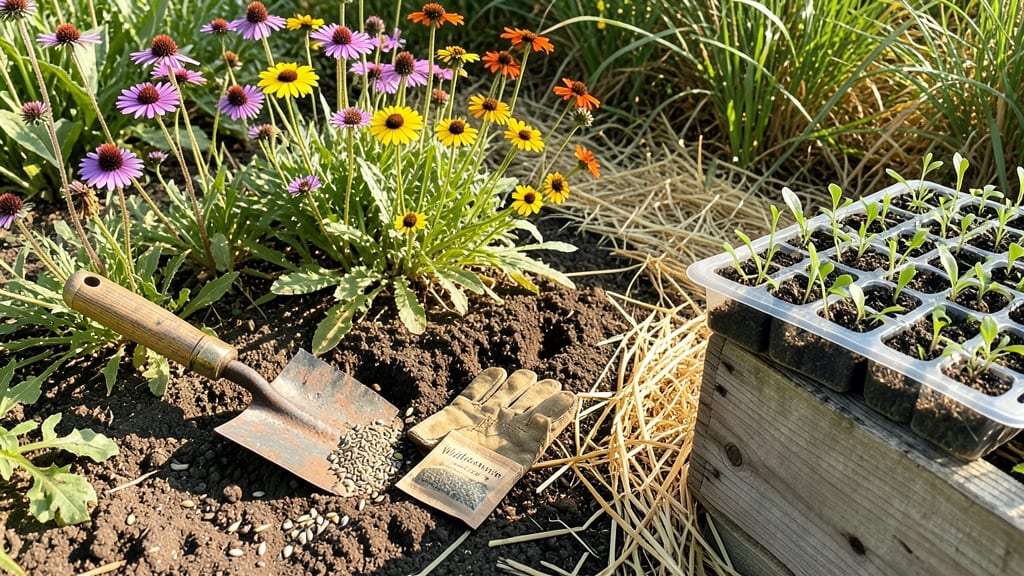
Planting native wildflower seeds at the right time means the difference between a garden that blooms like a pollinator’s dream or one that struggles to take hold.
Timing is everything when planting native wildflower seeds—get it wrong, and you’ll miss peak blooms; get it right, and your garden transforms into a thriving pollinator paradise. But with climate zones ranging from arid deserts to frosty alpine regions, when exactly should you plant?
In Zone 6a, like many temperate regions, the best windows are late winter to early spring or late summer to early fall. This aligns with natural rainfall patterns and soil temperatures that encourage germination without overwhelming young sprouts.
Below, I’ll break down the ideal planting calendar by region, plus three critical mistakes that sabotage germination—and how to avoid them. Whether you’re a beginner or a seasoned gardener, these tips will help you maximize your wildflower success.
Climate-Zone planting calendar for native wildflower seeds by region
Native wildflowers thrive when planted at the right time, but climate zones drastically change ideal windows. In northern zones (3-6), cold stratification mimics winter conditions, while southern zones (7-10) favor warm-season planting.
Miss the window, and you risk poor germination or stunted growth—especially for drought-tolerant species like black-eyed Susan or blanket flower.
Most native wildflower seeds need moist, cool soil to germinate, but timing varies by region. For example, Zone 4 gardeners should plant black-eyed Susan seeds in late summer (August-September) for fall establishment, while Zone 9 gardeners can sow blanket flower seeds in early spring (February-March) to avoid summer heat stress.
Understanding your USDA hardiness zone and local frost dates is key.
Below is a comparison-table breaking down planting windows by zone, including cold-stratification needs for northern climates and warm-season timing for southern regions. Always check your last frost date—planting too early in cold zones can kill tender seedlings.
| USDA Zone | Best Planting Window | Cold Stratification Needs | Example Species | Key Consideration |
|---|---|---|---|---|
| Zones 3-4 | Late summer (Aug-Sept) or early spring (April) | Required for most seeds (6-8 weeks at 33-41°F) | Black-eyed Susan, Purple Coneflower | Avoid planting in frost-prone months |
| Zones 5-6 | Late summer (July-Aug) or early spring (March-April) | Optional but recommended (4-6 weeks) | Butterfly Weed, Wild Bergamot | Soil temps should be 60-70°F |
| Zones 7-8 | Early spring (Feb-March) or fall (Oct-Nov) | Not required; sow directly | Blanket Flower, Coreopsis | Avoid summer heat; water lightly |
| Zones 9-10 | Fall (Sept-Oct) or early spring (Jan-Feb) | None; direct sow in warm soil | Desert Marigold, California Poppy | Use shade cloth if planting in summer |
For northern climates (Zones 3-6), late summer planting is ideal because seeds undergo natural cold stratification over winter, breaking dormancy in spring. If you plant in early spring, simulate cold treatment by refrigerating seeds for 4-6 weeks before sowing.
This mimics winter conditions and boosts germination rates for perennial wildflowers like purple coneflower.
In southern zones (7-10), focus on fall planting to avoid summer heat stress. Seeds germinate best when soil temps are 60-70°F, so aim for September-October in most areas. Desert regions (Zone 9-10) may even plant in winter to take advantage of cooler temps and spring rains.
Always check local rainfall patterns—drought-prone areas need extra care.
Regardless of zone, prepare your soil before planting. Loosen the top 2-3 inches of soil, remove weeds, and lightly rake to create a fine seedbed. Most native wildflower seeds are tiny and light, so avoid burying them—simply press them into the soil or scatter lightly over the surface.
A light mulch (like straw) helps retain moisture without smothering seeds.
After sowing, keep the soil consistently moist but not soggy. Use a fine mist or gentle watering can to avoid displacing seeds. In arid climates, morning watering prevents evaporation and fungal issues.
Once seedlings emerge (usually 10-30 days later), reduce watering slightly to encourage strong root growth. Thin seedlings if overcrowded, leaving 6-12 inches between plants for optimal air circulation.
Pro tip: Mark your calendar for peak blooming times based on your planting window. For example, Zone 4 black-eyed Susans planted in late summer will bloom in mid-summer the following year, while Zone 9 blanket flowers sown in fall may bloom as early as late winter.
Adjust expectations based on your local microclimate—urban areas often heat up faster than rural zones.
Signs your local climate is ready for wildflower planting (beyond the calendar)
Counting down the days until your USDA zone’s recommended planting window can feel like waiting for spring. But nature already knows the perfect time—you just need to learn its language.
Instead of relying solely on a calendar, watch for soil temperature cues, native plant signals, and rainfall patterns that tell you when your local climate is primed for wildflower seeds. These signs adjust for urban heat islands, drought-prone areas, and even microclimates within your yard.
For example, in Zone 5, when dandelions bloom in late March, it’s your cue that the soil has warmed enough for black-eyed Susans and purple coneflowers. In Zone 9, wait until palm trees unfurl new fronds—usually mid-February—to plant California poppies.
These natural indicators account for unpredictable weather and localized heat better than any calendar ever could.
Your Wildflower Planting Checklist: Nature’s Cues
- 🌱 Soil Temperature: Use a soil thermometer—wait until it hits 50-60°F (10-15°C) at 2 inches deep for most wildflowers.
- 🌿 Native Plant Signals: Observe dandelions, clover, or wild violets blooming—these mark ideal planting times for your region.
- ☀️ Sunlight Hours: Aim for 6+ hours of direct sun daily—check your yard’s sun exposure with a sunlight tracker app.
- 💧 Rainfall Patterns: Plant after 1-2 weeks of steady rain (or water deeply for 10-14 days post-planting) to ensure germination.
- 🐝 Pollinator Activity: When bees and butterflies are actively foraging, your seeds will thrive with their help.
- 🌡️ Urban Heat Adjustments: In cities, plant 2-3 weeks earlier than rural areas—concrete absorbs heat, warming soil faster.
If you’re in a drought-prone area, prioritize rainy seasons or use drip irrigation to mimic natural moisture cycles. For instance, in Zone 7b, plant wild bergamot after the first 1-inch rainfall of spring.
In arid climates, opt for deep-rooted species like blanket flower, which tolerate dry spells once established.
Don’t overlook moon phases for planting—while not scientific, many gardeners swear by planting during a waxing moon for stronger root growth. Pair this with your soil and weather cues for the best results.
For example, a waxing gibbous moon in April (when maple trees leaf out) is ideal for spring-blooming wildflowers like columbine.
Pro tip: Keep a gardening journal to track when you plant and how your wildflowers respond. Over time, you’ll notice unique patterns in your microclimate—like how morning glories always bloom a week earlier near your south-facing fence. Adjust future plantings based on these observations to fine-tune your timing.
When in doubt, plant early in spring or late summer—most native wildflower seeds germinate best in cool, moist soil. But if your area experiences late frosts, wait until after the last average frost date (check your local cooperative extension service for precise data).
With these cues, you’ll outsmart unpredictable weather and create a pollinator-friendly paradise year after year. 🌼