
Plants
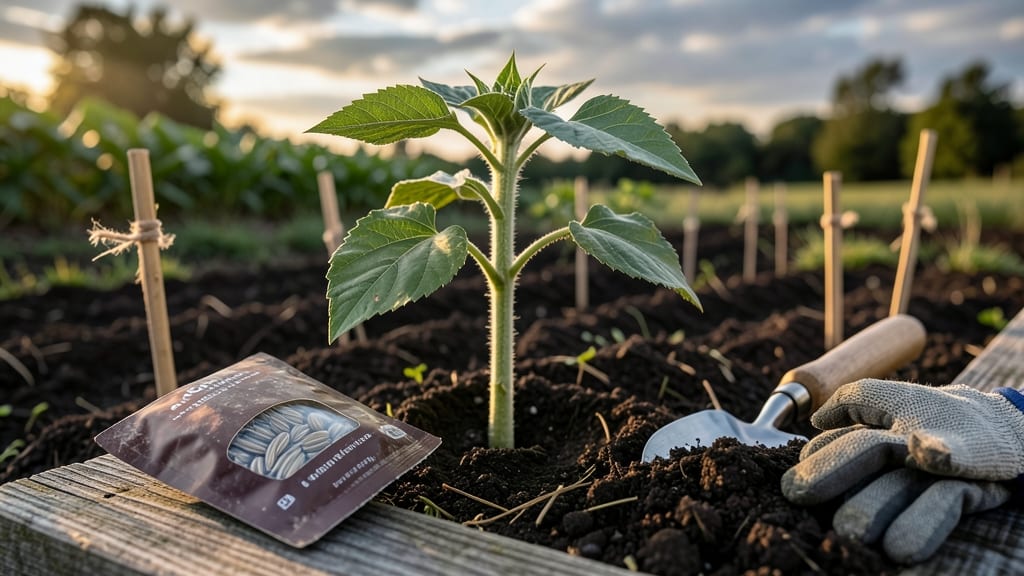
Plant sunflower seeds in Michigan after the last frost date, when soil temperatures reach 55°F — typically mid-April to mid-May in most zones.
Michigan’s unpredictable spring weather can make sunflower planting tricky—but timing your seeds correctly ensures towering blooms by summer. Get the exact frost-free window for your zone and sunflower variety to maximize growth and avoid frost damage.
In USDA zones 5b-6b, the ideal window stretches from mid-April in southern Michigan to early June in the northern regions. For fast-maturing varieties (like ‘Autumn Beauty’), you can even start in late April, while taller ornamental types need the full warmth of May and June.
Below, I’ll break down the best planting dates for your specific zone, how to adjust for early or late frosts, and pro tips to extend the growing season without risking damage.
Michigan sunflower planting dates by hardiness Zone (USDA 4-6)
Timing your sunflower seeds in Michigan depends heavily on your USDA hardiness zone and last frost dates. In Zone 4, where spring arrives later, you’ll need to wait until mid-May for safe planting, while Zone 6 gardeners can start as early as late April.
The key is waiting until soil temperatures reach 55°F (13°C)—sunflowers won’t germinate well in cooler soil.
Michigan’s first frost typically arrives between mid-October and early November, leaving a 150-180 day growing season. This means fast-maturing varieties (60-70 days) are best for northern zones, while taller ornamental types (100+ days) thrive in southern Michigan.
Always check your local Almanac frost dates—they’re your best guide for adjusting planting windows.
Sunflowers are direct-sown annuals, so there’s no need for indoor starting. Simply drop seeds 1 inch deep and 6 inches apart after the last frost. For early blooms, consider using row covers or planting near heat-retaining structures like brick walls.
In Zone 5, aim for early May to ensure flowers mature before frost.
Soil temperature is your #1 priority—sunflower seeds won’t sprout below 50°F (10°C). Use a soil thermometer to confirm readiness. In cooler zones, opt for dwarf varieties like ‘Teddy Bear’ (60 days) or ‘Moulin Rouge’ (70 days) to guarantee blooms before frost. For giant varieties like ‘Russian Giant’, plant no later than June 1st in Zone 4.
Here’s a quick rule of thumb: Count backward from your first frost date by your sunflower’s days to maturity. For example, if your frost date is October 15th and you’re growing ‘Autumn Beauty’ (100 days), plant by July 15th.
This method ensures blooms before winter sets in. Always err on the side of planting later—sunflowers tolerate heat better than cold!
| USDA Zone | Last Frost Date | Ideal Planting Window | Soil Temp Threshold | Recommended Varieties |
|---|---|---|---|---|
| Zone 4 | Mid-May | May 15 - June 15 | 55°F (13°C) | 'Teddy Bear' (60 days), 'Autumn Beauty' (90 days) |
| Zone 5 | Early May | April 30 - June 1 | 55°F (13°C) | 'Moulin Rouge' (70 days), 'ProCut' (60 days) |
| Zone 6 | Late April | April 15 - June 10 | 50°F (10°C) | 'Russian Giant' (120 days), 'Evening Sun' (65 days) |
If you’re in Zone 4 and want to push your growing season, try staggered planting. Sow a few seeds every 2 weeks from mid-May through early June.
This spreads out blooming time and ensures you get continuous color through summer. Just be mindful of crowding—thin seedlings to 12-18 inches apart for optimal growth.
For container growing, choose dwarf varieties like ‘Peppermint Twist’ (60 days) and plant after your last frost. Containers warm up faster than garden soil, so you can often plant 1-2 weeks earlier than in-ground.
Just ensure pots have drainage holes and use lightweight potting mix to prevent tipping in wind.
Watch for false springs—those warm spells in March or early April that trick you into planting too soon. Sunflowers won’t survive even light frosts, so always confirm 3 consecutive days above 50°F (10°C) before sowing.
If you’re unsure, use biodegradable seed starter pots to get a head start indoors under grow lights.
Pro tip: Mark your calendar for the Warmest Week of May—this is your best bet for planting in most of Michigan. By then, soil is consistently warm, and the risk of frost has passed.
For late bloomers, consider fall planting in Zone 6—sow seeds in early August for harvests before winter sets in.
Best sunflower varieties for Michigan’s short vs. long growing seasons
Michigan’s short growing seasons in northern zones (like USDA Zone 4) demand fast-maturing sunflower varieties, while southern regions (like Zone 6) can handle taller, ornamental types. Choosing the right variety ensures you get vibrant blooms before frost hits. Let’s break down the best options for your climate.
For northern Michigan (Zones 4-5), prioritize 60-70 day varieties like 'Teddy Bear' or 'Moulin Rouge'. These dwarf sunflowers reach 3-5 feet tall and bloom quickly, perfect for containers or small gardens.
In southern Michigan (Zone 6), you can grow giant varieties like 'Russian Giant' (up to 14 feet) or 'Autumn Beauty' for stunning, long-lasting flowers.
| Variety | Days to Mature | Height | Best For | Michigan Zone |
|---|---|---|---|---|
| Teddy Bear | 60-65 | 3-5 ft | Containers, cut flowers | 4-6 |
| Moulin Rouge | 60-65 | 3-4 ft | Dwarf borders, pollinators | 4-6 |
| Russian Giant | 100-120 | 10-14 ft | Backyard focal points | 5-6 |
| Autumn Beauty | 90-100 | 5-8 ft | Cut flowers, long bloom | 5-6 |
| ProCut | 65-70 | 4-6 ft | Florist bouquets | 4-6 |
If you’re in Zone 4 with a short season, stick to fast-maturing varieties like 'Teddy Bear' or 'ProCut'. These bloom in 60-70 days, giving them time to mature before Michigan’s first frost in October.
For containers or small spaces, 'Moulin Rouge' is ideal—its 3-4 foot height fits patios and balconies beautifully.
In Zone 5-6, you can experiment with taller varieties like 'Russian Giant' or 'Autumn Beauty'. These need 100+ days to mature, so plant them early (late April to early May) for full sun exposure.
Their giant blooms attract pollinators and add drama to gardens. Just ensure they’re planted in well-draining soil to prevent root rot.
For extended blooms, consider 'Autumn Beauty', which produces multi-colored flowers (yellow, red, and green) over a longer season. This variety is perfect for cutting gardens and lasts 2-3 weeks in a vase.
If you’re growing for seeds or bird feed, 'Russian Giant' is a top pick—its large heads yield abundant seeds for wildlife.
No matter your zone, always plant sunflower seeds 1 inch deep after the last frost date. In northern Michigan, use row covers to protect young seedlings from late frosts. With the right variety, your sunflowers will thrive and bring joyful color to Michigan’s summer gardens. 🌻