
Plants
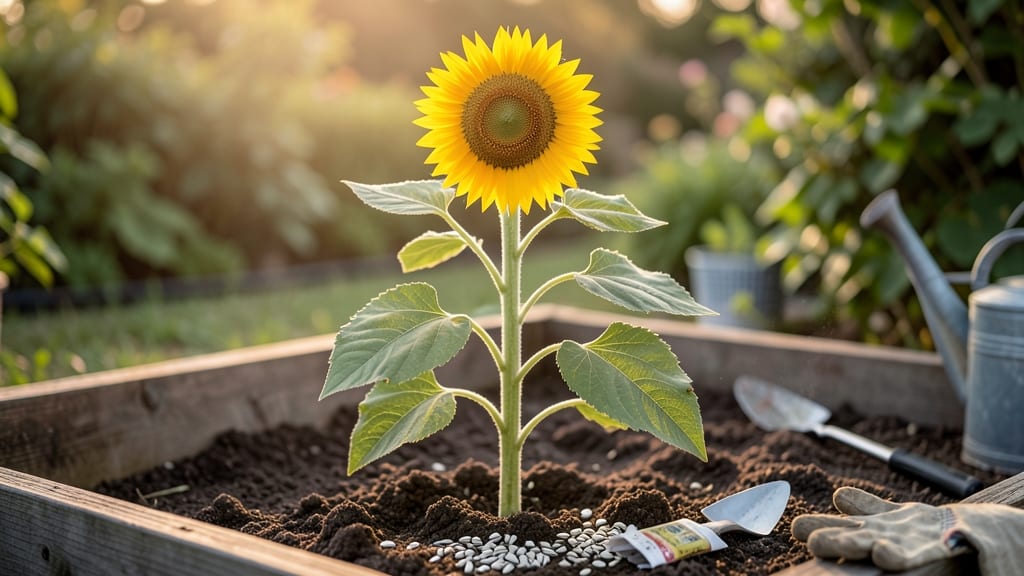
Planting sunflower seeds in Florida works year-round, but timing matters for taller stems and bigger blooms—especially in the heat.
Florida’s scorching summers and unpredictable weather can make gardening a challenge—but sunflowers thrive in the heat if planted at the perfect time. Get the exact months to sow seeds for towering blooms that will outshine your neighbors’ gardens.
Unlike northern states, Florida’s frost-free growing season means you can start seeds almost anytime, but spring and fall are the sweet spots. In USDA zones 9a-11, early spring (March) and late fall (September) give seeds time to germinate before summer’s peak heat.
Below, I’ll break down the best months by region, heat-tolerant varieties, and simple care tips to keep your 🌻 sunflowers reaching for the sky—no matter how hot it gets.
Optimal planting months for sunflowers in Florida’s climate zones
Florida’s unique climate—with its humid subtropical north and tropical south—means sunflower planting windows vary dramatically. Unlike northern states, Florida’s frost-free zones (USDA 9a-11) allow year-round growth, but timing still matters to avoid heat stress or bolt prematurely.
The key is planting when soil temperatures hit 60°F+ and aligning with seasonal humidity shifts.
North Florida (Zones 8a-9a) has cooler winters and occasional light frosts, while Central Florida (Zone 9b) enjoys consistent warmth, and South Florida (Zones 10a-11) stays tropical year-round.
Each zone’s microclimate dictates the best months to sow seeds for optimal germination and bloom production. Let’s break it down by region.
🌱 Pro Tip: Florida’s sandy soils drain too quickly, so always amend with compost before planting. This retains moisture critical for seedling establishment in our intense sun.
In North Florida, where temperatures dip below 50°F in winter, focus on spring (March–April) and fall (September–October) plantings. Spring-sown seeds germinate faster in warming soils, while fall plantings avoid summer’s brutal heat and produce blooms before potential light frosts in December.
Central Florida’s milder winters (rarely below 40°F) allow year-round planting, but January–February and August–September are ideal. These months offer balanced humidity and soil moisture, reducing the risk of seedling rot or premature bolting. Summer plantings (June–July) are possible but require extra shade for young plants.
For South Florida gardeners, the tropical climate means sunflowers can technically grow anytime. However, October–March yields the best results. Summer plantings (April–September) demand daily shade and frequent watering to prevent heat stress. Even drought-tolerant varieties like ‘Autumn Beauty’ struggle when soil temps exceed 90°F.
💡 Key Insight: Florida’s long growing season lets you experiment with succession planting. Sow seeds every 4–6 weeks for continuous blooms, but always monitor soil moisture—sandy soils dry out 3x faster in summer.
Regardless of zone, avoid planting during Florida’s peak humidity (June–July), when fungal diseases like powdery mildew thrive. Instead, time plantings with dry seasons (November–April) for healthier stems and larger blooms. With the right timing, your sunflowers will reach 10+ feet tall—outshining even Florida’s brightest skies.
Need a quick reference? Bookmark this table and adjust based on your local microclimate. Whether you’re in Pensacola, Orlando, or Miami, sunflowers will reward you with bold, cheerful blooms all year if you plant at the right time. 🌻
Heat-tolerant sunflower varieties that flourish in Florida’s summer heat
Florida’s summer heat can be brutal on many plants, but sunflowers actually love the warmth once established. The key is choosing heat-tolerant varieties that won’t wilt under 90°F+ temperatures.
These top 5 varieties thrive in Florida’s climate, offering stunning blooms and drought resistance—perfect for gardeners who want low-maintenance beauty.
Early-season varieties like 'Autumn Beauty' and 'Teddy Bear' handle Florida’s spring heat beautifully, while late-season types such as 'Moulin Rouge' shine in fall plantings.
Each variety has unique traits: some reach towering heights of 12+ feet, while others stay compact at 3-4 feet—ideal for small spaces or containers.
Here’s how they compare in terms of maturity timelines, bloom size, and drought tolerance—critical factors for Florida’s unpredictable weather patterns.
For early-season blooms, 'Autumn Beauty' and 'ProCut' are my top picks—they mature quickly and handle spring heatwaves without wilting. Plant these in February or March for summer displays, or in August-September for fall color. Their compact sizes also make them great for small gardens or container growing.
'Moulin Rouge' and 'Russian Giant' are ideal for late-season plantings (September-October) if you want towering blooms that outshine everything else. These varieties thrive in Florida’s cooler fall temperatures and produce massive flowers up to 12 inches wide. Just be prepared to water deeply during dry spells, as they’re less drought-tolerant than the others.
If you’re growing sunflowers for cut flowers or birdseed, 'ProCut' is a game-changer—its stems stay fresh for weeks in vases, and birds adore the seeds. For low-maintenance gardens, 'Teddy Bear' is a charming dwarf option that thrives in heat and pests rarely bother it.
Pro tip: Always plant sunflower seeds 1 inch deep and 12-24 inches apart (depending on variety) in well-draining soil. Mulch around the base to retain moisture and suppress weeds—critical in Florida’s sandy soil.
With the right variety and care, your sunflowers will reach their full potential and bring bold, cheerful color to your garden all summer long.