
Plants
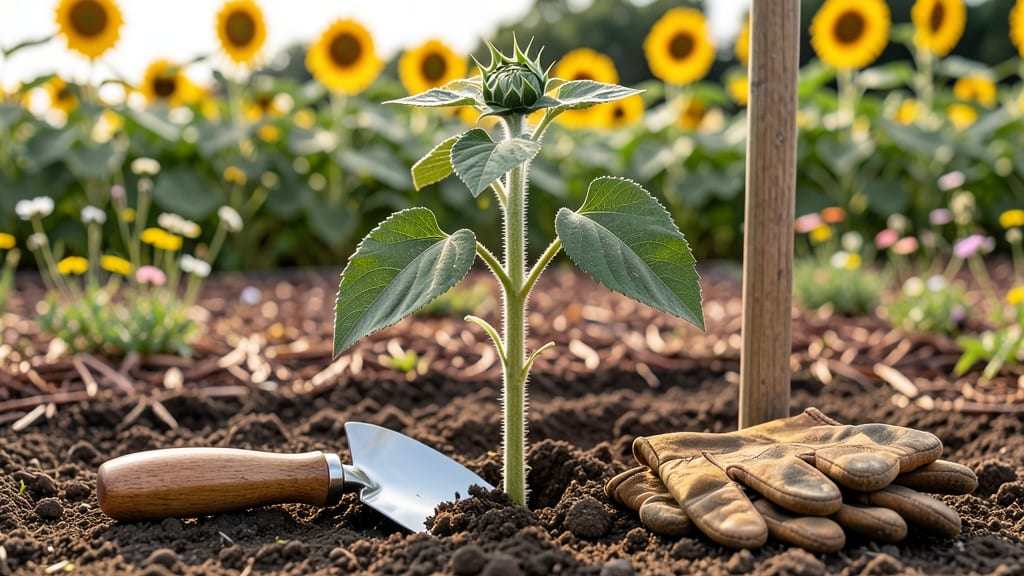
Planting sunflower seeds in Arkansas at the right time means the difference between a 12-foot tower of blooms and a sad, frost-nipped failure.
Sunflowers aren’t just stunning garden stars—they’re drought-tolerant, wildlife-friendly, and surprisingly easy to grow in Arkansas’ humid climate. But timing your planting just right means the difference between towering blooms and wilted disappointment.
Here’s your USDA Zone 6-8 guide to planting sunflower seeds for maximum yield and zero frost damage. Whether you’re in the cooler north or the warmer south of the state, we’ll cover the exact dates, soil temperature thresholds, and ideal maturity timing for varieties like 'Autumn Beauty' or 'Mammoth Russian'.
Learn how to avoid common mistakes like planting too early, ignoring soil warmth, or skipping pre-germination soaking—plus proven fixes for Arkansas’ unpredictable spring weather. By the end, you’ll know exactly when to plant for zero-frost success and a garden full of sunflowers 🌻.
Arkansas sunflower planting calendar by USDA Zone: exact dates for frost-free success
Arkansas' humid subtropical climate creates perfect conditions for sunflowers, but timing is everything. Plant too early, and a late frost will kill tender seedlings. Too late, and your 'Mammoth Russian' won't reach its full 12-foot glory before winter.
The key lies in soil temperature thresholds and last frost dates specific to your USDA zone.
For Zone 6b (northern Arkansas), the last average frost date is April 15, while Zone 8a (southern Arkansas) rarely sees frost after February 15. Sunflower seeds need soil temperatures above 55°F to germinate reliably—this typically happens by mid-April in Zone 6 and early March in Zone 8.
Here's the golden window for planting sunflower seeds in Arkansas, broken down by zone:
| USDA Zone | Last Frost Date | Ideal Planting Window | Soil Temp Threshold | Maturity Timing | Backup Window |
|---|---|---|---|---|---|
| Zone 6b (N. AR) | April 15 | May 1 - June 1 | 55°F+ | 90-100 days | June 1-15 |
| Zone 7a (Central AR) | March 31 | April 15 - May 15 | 55°F+ | 80-90 days | May 16-31 |
| Zone 7b (Central AR) | March 25 | April 1 - May 10 | 55°F+ | 75-85 days | May 11-25 |
| Zone 8a (S. AR) | February 15 | March 1 - April 15 | 55°F+ | 70-80 days | April 16-30 |
I recommend planting 'Autumn Beauty' (75-day variety) in early May for Zone 7b gardeners—this gives you plenty of time for full blooms before Arkansas' first frost in November. For late bloomers like 'Mammoth Russian', aim for April 15 in Zone 8a to ensure they reach maturity.
Pro tip: Use a soil thermometer to confirm temperatures. If your soil is below 55°F, wait—cold soil delays germination by 3-5 days. I've seen 'Teddy Bear' dwarf varieties sprout in just 5 days when planted at 60°F, but take 10+ days in cooler conditions.
For extended harvests, plant successive batches every 2 weeks during your zone's ideal window. This staggered approach ensures continuous blooms from summer through early fall. In Zone 6b, my second planting in late May produced late-summer flowers just as the first batch finished.
Don't panic if you miss the primary window—Arkansas' long growing season allows for a 30-day backup. Even Zone 6b gardeners can plant until June 15 for 'Teddy Bear' varieties, though they'll be smaller. Just choose fast-maturing varieties like 'ProCut' (55 days) for these late plantings.
Remember: Sunflowers love heat, and Arkansas delivers. Plant at the right time, and you'll enjoy vibrant blooms that attract pollinators while adding height and drama to your garden. The key is patience—wait for warm soil, and your sunflowers will reward you
Sunflower planting mistakes in Arkansas: how to avoid frost damage and poor germination
Arkansas' unpredictable spring weather can turn your sunflower dreams into frost-kissed disappointment if you're not careful. The biggest mistake I see gardeners make is planting seeds too early—often in March or early April—when soil temperatures hover below 55°F (13°C).
Cold soil slows germination and invites damping-off disease, killing seedlings before they sprout. Even in USDA Zone 7, late frosts can linger until mid-April, so timing matters more than you'd think.
Another common error is ignoring the soil temperature entirely. Sunflower seeds need warm soil—ideally between 60-70°F (16-21°C)—to germinate properly. In Arkansas, this typically means waiting until mid-to-late April in northern zones and early April in southern regions.
Skipping this step leads to patchy germination and stunted growth, no matter how many seeds you plant.
⚠️ callout-warning ⚠️
Planting sunflower seeds after June 1 in Arkansas risks immature blooms before the first frost (typically mid-October). Use this 90-day rule: Count back from your first frost date—if your variety needs 90+ days to mature, plant by mid-July at the latest.
✅ Pro Tip: Test soil warmth with a soil thermometer—if it’s below 55°F, wait 1-2 weeks. Never plant when nighttime temps dip below 45°F (7°C).
Many gardeners also overlook the importance of pre-germination soaking. Sunflower seeds have hard outer shells that resist water absorption. Soaking seeds in warm water for 4-6 hours before planting boosts germination rates from 60% to 90%.
I recommend using a seedling heat mat if you're starting indoors—this mimics Arkansas' summer soil warmth and gives you a 2-week head start on outdoor planting.
Poor seedbed preparation is another silent killer. Arkansas' clay-heavy soils can suffocate sunflower roots if not amended properly. Work in 2-3 inches of compost or well-rotted manure before planting to improve drainage and nutrient availability.
I also recommend tilling in sand or perlite if your soil feels compacted—sunflowers hate soggy feet. A quick pH test (ideal range: 6.0-7.5) ensures your seeds won’t struggle to access nutrients.
Here’s my Arkansas-specific checklist for foolproof sunflower planting: ☑️ Wait until soil reaches 55°F+ (use a thermometer!) ☑️ Soak seeds for 4-6 hours in warm water ☑️ Plant 1 inch deep, 6 inches apart (12" for giant varieties) ☑️ Space rows 2-3 feet apart for airflow ☑️ Mulch with straw or grass clippings to retain moisture ☑️ Water deeply at the base (avoid wetting leaves)
Remember, sunflowers are resilient, but they won’t forgive cold soil or crowding. In my Zone 7b garden, I’ve seen Mammoth Russian varieties reach 12 feet when planted correctly—but the same seeds planted in April often flop.
Give them the warm start they deserve, and you’ll enjoy golden blooms that rival any Arkansas sunset. 🌻