
Plants
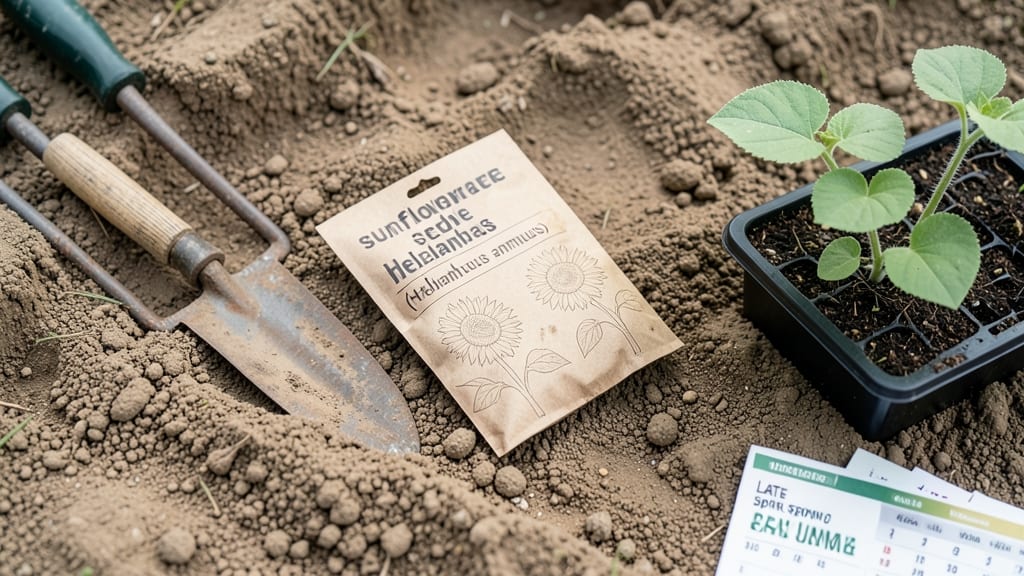
Planting sunflower seeds in Georgia means timing them right to dodge frost and heat waves — aim for mid-March to early June to catch the sweet spot between soil warmth and summer’s intensity.
Sunflowers aren’t just beautiful—they’re easy to grow and thrive in Georgia’s warm climate, but timing is everything to avoid frost damage and maximize blooms. Plant too early, and you’ll waste seeds; too late, and your sunflowers may never reach their full potential.
Georgia’s USDA zones 7b-8b give you flexibility, but regional differences matter. Northern counties like Atlanta need to wait until after the last frost (usually mid-March), while southern areas like Savannah can start as early as February.
Below, I break down the exact windows by zone, how to prep soil for fast germination, and when to expect those towering 🌻 blooms by late summer.
Georgia’s sunflower planting timeline by heat Zone (Zone 7-9)
Georgia’s warm climate makes it perfect for growing sunflowers, but the USDA heat zones (7-9) create big differences in planting times. In Zone 7b (like Athens), you can start as early as mid-March, while Zone 9a (like Savannah) lets you plant until early June.
Getting this right means avoiding frost damage and ensuring your sunflowers bloom before summer’s heat peaks.
Sunflowers are fast-growing annuals that thrive in Georgia’s long growing season. For maximum height and bloom, aim to plant when soil temperatures hit 50°F or warmer.
In northern Georgia (Zone 7), this usually aligns with late April, while southern Georgia (Zone 9) can start planting as early as February in some microclimates.
In Zone 7b, like Fulton County (Atlanta), the last frost date is typically mid-March, so wait until mid-April to plant. This gives your seeds time to germinate before summer’s heat arrives.
For Zone 8a, such as Bibb County (Macon), you can start as early as late March and extend planting until early June for a continuous bloom cycle.
If you’re in Zone 9a, like Chatham County (Savannah), you have the longest growing season. Plant sunflower seeds as early as January for early blooms or extend planting until early June for fall flowers.
The key is to ensure your plants have at least 80 days to mature before the first frost, which usually hits in mid-November.
For northern Georgia gardeners, focus on early-maturing varieties like ‘Teddy Bear’ (50-60 days) if planting in April. In southern Georgia, you can grow taller varieties like ‘Mammoth’ (100-120 days) with confidence, knowing the extended season. Always check your local frost dates and adjust planting times accordingly.
One common mistake is planting too early in Zone 7. Cold soil can delay germination, and frost will kill young seedlings. Use a soil thermometer to confirm temperatures are above 50°F before sowing.
In Zone 9, the opposite is true—planting too late may result in smaller blooms due to summer’s intense heat.
To extend your sunflower blooms, consider succession planting. In Zone 7, plant a second batch in early June for fall flowers. In Zone 9, you can even plant a third batch in July for late-season blooms.
Just ensure each planting has enough time to mature before frost.
Sunflowers are drought-tolerant once established, but they need consistent moisture during germination. Water seeds daily until sprouts appear, then taper to weekly watering. In Zone 8 and 9, mulch around plants to retain moisture and protect roots from extreme heat.
With the right timing, your Georgia sunflowers will reward you with vibrant blooms and even edible seeds. Whether you’re in Atlanta’s Zone 7b or Savannah’s Zone 9a, follow these guidelines to maximize your sunflower garden’s potential. Happy planting! 🌻
How to adjust planting dates for Georgia’s microclimates and varieties
Georgia’s diverse climate means sunflower planting dates can vary by 100 miles or more. High-elevation areas like Blue Ridge Mountains (Zone 7b) have later frost risks, while Savannah’s coastal plain (Zone 8b) enjoys longer growing seasons.
Your sunflower variety also plays a role—tall Mammoth types need earlier starts, while Teddy Bear dwarf varieties tolerate late plantings better.
Soil temperature is your best guide: wait until soil reaches 50°F before planting. In North Georgia, this typically means mid-April, while South Georgia gardeners can start as early as mid-March.
Use a soil thermometer to avoid planting too soon in cooler microclimates like Dahlonega’s valleys or Amicalola Falls’ shaded slopes.
- North Georgia (Zone 7b): Plant Mammoth varieties by April 15 for full-size blooms by August. Use row covers if late frost threatens.
- Central Georgia (Zone 8a): Ideal window is March 20–April 30. Teddy Bear types can handle May plantings with consistent water.
- South Georgia (Zone 8b): Start as early as February 28 for fall harvests. Dwarf varieties like Moulin Rouge thrive with June plantings.
- Urban Heat Islands: Cities like Atlanta and Columbus can plant 2 weeks earlier due to warmer microclimates. Monitor soil moisture closely.
- Elevation Zones: Add 1 week per 1,000 ft elevation. Brasstown Bald’s 4,800 ft zone needs May starts for Zone 6 conditions.
Choose fast-maturing varieties like Autumn Beauty (55 days) for late starts, while Russian Giant (120+ days) needs early April plantings in North Georgia. Dwarf varieties like Sunspot (60 days) are perfect for container gardens or small spaces, and can be planted up to June 1 in most regions.
Watch for local weather patterns—years with early springs (like 2024) may allow February plantings in South Georgia, while late frosts (e.g., 2017’s April freeze) can delay starts by 3 weeks. Check NOAA’s Climate Normals for your county’s average last frost date and adjust accordingly.
For container growing, use black plastic pots to warm soil faster. Place containers in south-facing spots and plant 2 weeks after your ground planting date. Succession plant every 2 weeks from March to June for continuous blooms—just ensure 6-inch spacing between seeds.
Remember: sunflowers love heat, but extreme summer humidity (like Georgia’s July) can stress plants. If planting in late May or June, prioritize dwarf or disease-resistant varieties like ProCut or Soraya, and mulch heavily to retain moisture. Happy planting! 🌻