
Plants
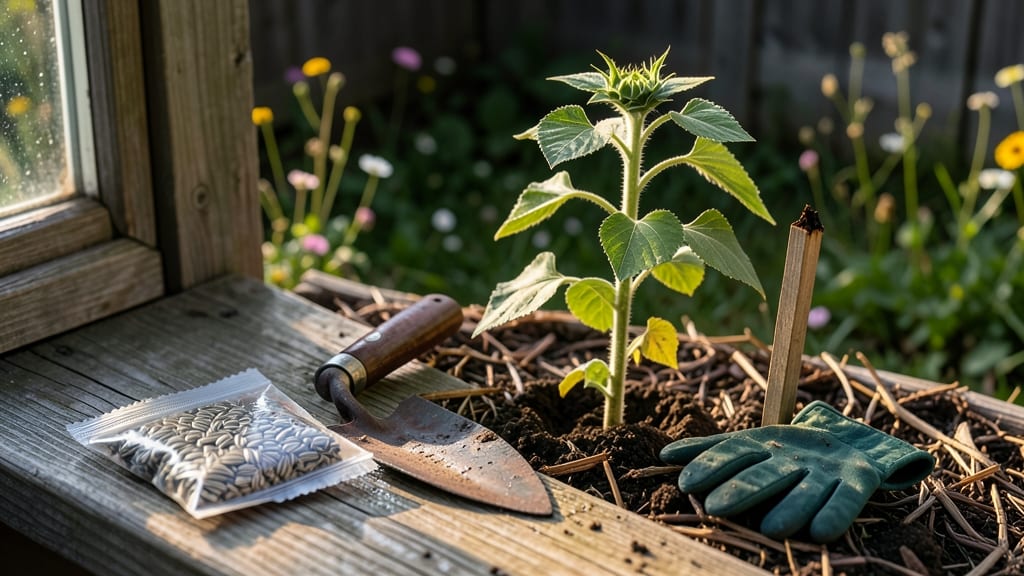
Plant sunflower seeds in Tennessee between mid-April and mid-June after the last frost, when soil temperatures hit 55°F+ for the fastest growth.
If you’ve ever watched your 🌻 sunflowers struggle in Tennessee’s unpredictable spring weather, you know timing is everything. Plant too early, and frost will nip them before they sprout; too late, and summer heat can stunt their growth.
The key is aligning your schedule with USDA Zone 7b’s frost-free window—typically mid-April to mid-June—to give your sunflowers the best shot at reaching their towering potential.
Sunflowers are annuals in Tennessee, meaning they complete their life cycle in one season, but their success hinges on soil prep and timing. Loosen the soil, mix in compost, and avoid overcrowding to prevent disease.
With the right start, you’ll see those vibrant blooms by late summer, just in time for harvest.
In this guide, I’ll break down the exact planting deadlines for Tennessee’s regions, the best sunflower varieties for your climate, and pro tips to extend your growing season—so you can enjoy 10-foot-tall sunflowers without the guesswork.
Optimal sunflower planting dates in Tennessee’s USDA Zone 7b
Tennessee’s USDA Zone 7b offers an ideal climate for sunflowers, but timing your planting is critical to avoid frost damage and maximize those towering blooms. The average last frost date across Middle Tennessee regions like Nashville, Knoxville, and Chattanooga typically falls between mid-April and early May.
Planting too early risks frost-killed seedlings, while waiting too long can shorten the growing season and reduce bloom size.
Sunflowers thrive when soil temperatures consistently reach 55°F or higher. In Tennessee, this usually happens by mid-April in southern regions and late April in higher elevations. Always check soil temperature with a thermometer or wait for the frost-free window to open fully.
This balance between warm soil and no frost risk is key to strong germination and growth.
Here’s a quick reference for optimal planting windows in Tennessee’s Zone 7b:
| Region | Last Frost Date (Avg.) | Optimal Planting Window | Soil Temp Threshold | Height Tradeoff |
|---|---|---|---|---|
| Nashville | April 15 | April 20 - May 15 | 55°F+ | Early: Taller, Late: Shorter |
| Knoxville | April 22 | May 1 - May 20 | 55°F+ | Early: Taller, Late: Shorter |
| Chattanooga | April 10 | April 25 - May 10 | 55°F+ | Early: Taller, Late: Shorter |
Planting sunflowers in early spring (April) gives you the longest growing season, allowing taller varieties like 'Mammoth Russian' to reach their full 12-14 foot potential. However, early plantings may face unpredictable late frosts, so use row covers for extra protection if needed.
For shorter varieties like 'Teddy Bear' or 'Moulin Rouge', late spring plantings (May-June) still yield beautiful blooms with less risk of frost damage.
If you’re aiming for late-summer blooms, consider succession planting in early June. While these sunflowers won’t grow as tall, they’ll still provide vibrant color and attract pollinators like bees and butterflies.
Just be mindful that late plantings may not reach maturity before Tennessee’s first frost in mid-October, so choose faster-maturing varieties like 'Autumn Beauty' for better success.
One common mistake is planting sunflowers too close to the last frost date. Even if the air feels warm, soil temperatures can lag behind, slowing germination. Always test your soil with a thermometer or wait until nighttime temperatures stay above 50°F consistently.
This simple step can mean the difference between healthy seedlings and failed sprouts.
For container gardening, start seeds indoors under grow lights 4-6 weeks before your region’s last frost date. Transplant seedlings outdoors after hardening them off for a week. Containers warm up faster than garden beds, so you can often plant 1-2 weeks earlier than in-ground plantings.
Just ensure your containers have drainage holes to prevent root rot in Tennessee’s humid climate.
Remember, sunflowers are annuals in Tennessee, meaning they complete their life cycle in one growing season. This makes them perfect for seasonal color and wildlife attraction, but you’ll need to replant each year.
With the right timing, your sunflowers will reward you with stunning blooms that brighten up your garden from late summer through fall. 🌻
Pro tip: Mark your calendar for mid-October, when Tennessee’s first frost typically arrives. This is your deadline for harvesting seeds or cutting blooms before the cold sets in. If you miss it, don’t worry—sunflowers make great dried arrangements that last all winter! ✂️
Sunflower varieties and their ideal planting windows in Tennessee
Tennessee’s USDA Zone 7b climate offers the perfect stage for sunflowers, but not all varieties thrive equally. Dwarf sunflowers like 'Moulin Rouge' bloom quickly and resist heat, while giant varieties like 'Mammoth Russian' need early starts to avoid stunted growth.
Choosing the right variety and planting at the perfect time ensures bold blooms and disease resistance in your garden. 🌻
Heat tolerance is the key factor when selecting sunflower varieties for Tennessee. 'Autumn Beauty' and 'Teddy Bear' handle summer heat better than 'Russian Giant,' which struggles in temperatures above 90°F.
Planting dwarf varieties in late May or June can extend your bloom season, while tall varieties need to be sown by early April to reach their full height before summer’s peak. 🌡️
| Variety | Height Range | Heat Tolerance | Best Planting Window | Disease Resistance |
|---|---|---|---|---|
| Moulin Rouge (Dwarf) | 1-3 ft | Excellent (95°F+) | May-June | High (powdery mildew) |
| Autumn Beauty (Mid-Height) | 3-5 ft | Good (85°F-90°F) | April-May | Moderate (rust) |
| Mammoth Russian (Giant) | 10-14 ft | Poor (struggles >90°F) | Early April | Low (stem rot) |
| Teddy Bear (Dwarf) | 1-2 ft | Excellent (95°F+) | June-July | High (all) |
For maximum bloom size, plant 'Mammoth Russian' seeds by mid-April to give them 120+ frost-free days to mature. This variety needs well-draining soil and consistent moisture to support its towering stems.
In contrast, 'Moulin Rouge' thrives when planted in late May or June, producing vibrant blooms even in Tennessee’s hot July summers. 💧
Disease resistance varies widely among sunflower varieties. 'Teddy Bear' and 'Moulin Rouge' are top picks for Tennessee gardens due to their powdery mildew resistance, while 'Russian Giant' is more susceptible to stem rot in humid conditions.
To boost resilience, always plant seeds in full sun locations with good air circulation and avoid overhead watering. ✂️
If you’re aiming for a longer bloom season, consider planting succession crops of dwarf varieties every 2-3 weeks from May through July. This strategy ensures continuous color while avoiding the heat stress that affects taller varieties later in the season.
For cut flowers, harvest 'Autumn Beauty' heads when 75% open to extend vase life. 🌼
Remember, Tennessee’s humid summers can stress sunflowers, so monitor for aphids and spider mites. A neem oil spray applied every 2 weeks during peak growth can prevent infestations. With the right variety and planting timing, your sunflowers will thrive year after year in the Volunteer State. 🌿