
Orchid Care
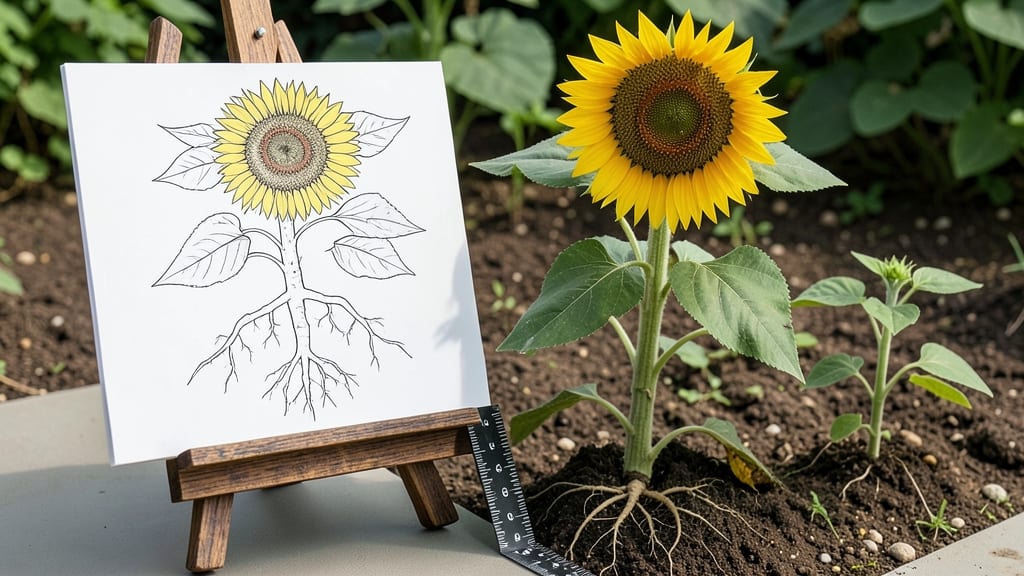
Sunflowers do have deep roots that can extend up to 3 feet into the soil, anchoring them firmly and tapping into moisture reserves 🌻.
If you’ve ever wondered why they sway dramatically in the wind—or why some varieties topple over—you’re asking the right question. Their root systems aren’t just about stability; they’re the key to drought resistance and nutrient uptake, especially in USDA Zone 6a climates.
This deep-rooted nature means planting them in shallow soil or compacted ground can stunt growth or even cause them to lean. But with the right soil prep—like loosening the top 12 inches—you can help them thrive from spring planting through harvest.
Below, I’ll break down how root depth affects spacing, watering, and even which sunflower varieties perform best in your garden. You’ll learn how to give your 🌻 the strong foundation they need to reach their full height.
How deep do sunflower roots grow and what determines their length?
Sunflowers develop deep taproots that anchor them firmly in the soil, typically reaching 12 to 36 inches deep depending on conditions. This impressive root system allows them to access water and nutrients from lower soil layers, making them surprisingly resilient plants.
The depth isn't just about stability—it directly impacts how well they handle drought and wind, which explains why mature sunflowers sway less than you might expect.
At the heart of their root system is a primary taproot that grows straight down, accompanied by secondary lateral roots spreading outward. The taproot alone can account for 70-80% of the total root length, while lateral roots help capture nutrients from the topsoil.
This dual structure gives sunflowers their signature strength and adaptability in various soil conditions.
The exact depth varies based on soil type, water availability, and sunflower variety. In loose, well-draining soil, roots often exceed 30 inches, while compacted or clay-heavy soils may limit them to 12-20 inches.
Drought conditions trigger deeper root growth as plants search for moisture, while consistently moist soils encourage shallower but wider root spread.
One fascinating aspect of sunflower roots is their adaptive growth. Young seedlings start with shallow roots, but as they mature, the taproot elongates rapidly—sometimes growing 1-2 inches per day during peak growth phases.
This rapid growth explains why sunflowers can establish themselves quickly in disturbed soils, even in late spring plantings.
The taproot system gives sunflowers their signature wind resistance. Unlike plants with fibrous roots, sunflowers anchor deeply, reducing sway even in 20+ mph winds. This is why they’re often recommended for windbreaks in agricultural settings.
The deeper the root, the more stable the plant—though very tall varieties may still need staking in exposed locations.
For gardeners, understanding root depth affects planting techniques. In containers, ensure pots are at least 18 inches deep for standard varieties, while dwarf types thrive in 12-inch pots.
In garden beds, avoid planting near sidewalks or foundations where roots might encounter compacted soil layers, which can stunt growth. Always loosen soil to 12 inches deep before planting.
Soil aeration plays a crucial role too. Sunflowers prefer well-aerated soil because their roots need oxygen to grow efficiently. In heavy clay soils, mix in compost or sand to improve drainage and encourage deeper root penetration.
Overwatering can also be problematic—it creates anaerobic conditions that suffocate roots, limiting their ability to grow downward.
Another key factor is nutrient availability. Sunflowers are heavy feeders, and their deep roots help them access nutrients like phosphorus and potassium from lower soil layers.
This is why they’re often planted as bioaccumulators—they can help cleanse contaminated soils by drawing up heavy metals and toxins from deep underground.
If you're growing sunflowers in urban gardens with limited soil depth, choose dwarf varieties like 'Teddy Bear' or 'Sunrich Orange'. These stay under 3 feet tall and develop roots that max out around 18 inches, making them perfect for raised beds or containers.
For maximum height and seed production, opt for giant varieties like 'Mammoth' or 'Russian Giant'—but be prepared for roots reaching 36 inches or more.
Remember, sunflower roots aren't just about depth—they're a lifeline for the plant. By understanding how soil, water, and variety influence root growth, you can create ideal conditions for your sunflowers to thrive, whether you're growing them for cut flowers, birdseed, or simply joy.
The deeper the roots, the stronger the stems—and the happier your sunflowers will be.
Why sunflower root depth matters for gardeners and farmers
Understanding sunflower root depth can transform how you approach planting and care. A deep root system isn’t just about stability—it directly impacts water uptake, nutrient access, and even yield potential. For gardeners, this means fewer wilting plants during dry spells and stronger stems that resist wind damage.
Farmers, on the other hand, benefit from improved drought tolerance and higher seed production when roots access deeper soil layers.
Sunflowers develop a primary taproot that can extend 2 to 3 feet deep, with lateral roots spreading horizontally. This structure allows them to anchor firmly while accessing moisture and nutrients from deeper soil.
However, the actual depth varies based on soil type, variety, and growing conditions. In compacted or shallow soils, roots may struggle to penetrate, leading to stunted growth or poor resilience.
⚠️ WARNING: Shallow Planting Kills Potential ⚠️ Placing seeds too close to the surface—less than 1 inch deep—restricts root development, forcing sunflowers to compete for resources near the topsoil.
This leads to: - Weaker stems that snap in wind or rain - Poor drought resistance (roots can’t reach moisture) - Lower yields due to nutrient starvation Always plant seeds 1 to 2 inches deep in loose, well-draining soil to encourage deep root growth.
For heavy clay soils, consider pre-digging holes or amending with compost to improve aeration.
For drought-prone areas, prioritize varieties with naturally deeper roots, like Mammoth Russian or Autumn Beauty. These types can access groundwater, reducing irrigation needs by up to 30%.
In contrast, dwarf varieties (e.g., Teddy Bear) have shallower roots but thrive in containers or urban gardens where deep soil isn’t available.
Wind resistance is another critical factor. Sunflowers with deep, well-anchored roots sway less, reducing breakage risks. To enhance stability, plant in windbreaks or use stakes for tall varieties (like ProCut hybrids). Loosen soil around the base at planting to encourage lateral root spread, which improves balance.
Soil preparation is key: Test your soil’s drainage and pH before planting. Sunflowers prefer 6.0–7.5 pH and well-aerated soil. If your garden has hardpan or clay, amend with organic matter (like compost or aged manure) to help roots penetrate deeper.
Avoid over-fertilizing with nitrogen, which can promote leafy growth at the expense of root development.
Finally, remember that root depth affects yield. Plants with deeper roots allocate more energy to seed production, resulting in larger, heavier heads. To maximize harvests, pair proper planting depth with consistent watering (1–2 gallons per plant weekly) and mulching to retain moisture.
By focusing on root health, you’ll grow sunflowers that are taller, stronger, and more productive—no matter your climate. 🌱