
Planting
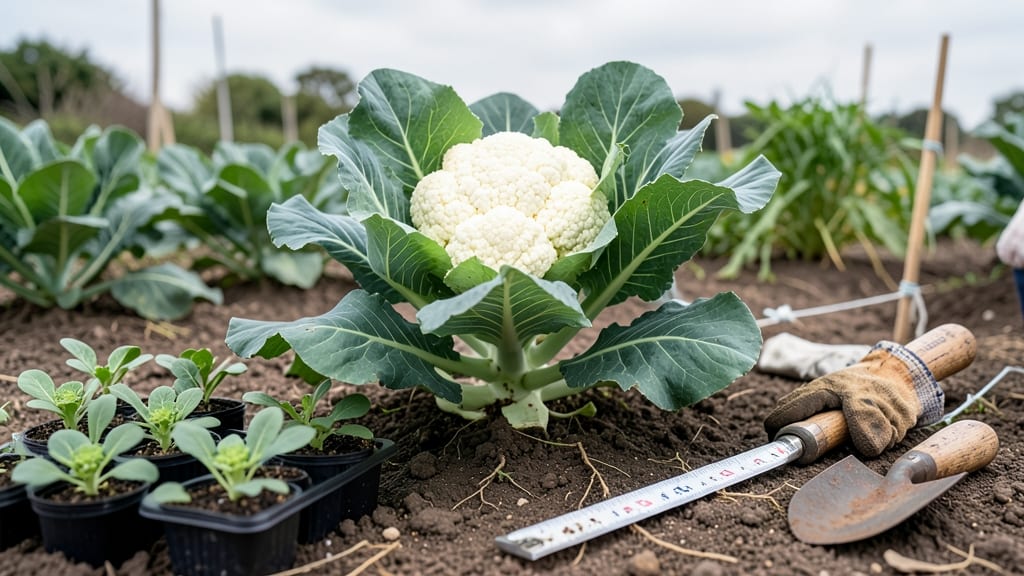
Planting cauliflower how far apart should cauliflower be planted with the right spacing is the difference between dinner-table stars and sad, stunted heads—so let’s get this right from the start.
Picture this: You’ve nurtured your seedlings for weeks, only to watch them bolt or split into tiny, uneven curds because they’re fighting for space. That’s not just a missed harvest—it’s a lesson in how much room these plants really need to thrive.
Most gardeners assume 12-18 inches apart is enough, but the truth is, spacing depends on your variety, soil, and even your climate. Too close, and you’ll end up with pale, bitter heads or worse—disease hotspots. Too far, and you waste precious garden real estate.
In this guide, I’ll break down the exact distances for every type of cauliflower, plus pro tips to squeeze in extra plants without sacrificing quality. Ready to turn your spacing game into a harvest game-changer?
Optimal cauliflower spacing by variety: from compact heads to giant curds
Cauliflower spacing isn't one-size-fits-all—compact varieties like Romanesco need 12 inches apart, while giant curd types require 24-36 inches to develop those showstopping heads. I’ve learned the hard way that cramming plants saves space but steals yield.
Let’s break down the exact distances for every type, so you get tight, healthy curds instead of scraggly side shoots.
Why does spacing matter? Crowded cauliflower plants compete for nutrients, sunlight, and air circulation. Without proper room, you’ll end up with smaller heads, fungal diseases, and plants that bolt prematurely.
The key is matching your variety’s mature size to its spacing needs—whether you’re growing in raised beds, containers, or open ground.
Here’s the golden rule: Measure from the center of one plant to the next. For rows, leave 24-36 inches between them to allow airflow and easy access for harvesting.
In containers, dwarf varieties thrive in 5-gallon pots with just 8-12 inches between plants, but standard types need 12-18 inches to avoid root competition.
| Variety Type | In-Row Spacing | Row Spacing | Container Spacing | Notes |
|---|---|---|---|---|
| Dwarf Varieties (e.g., 'Snowball Y Improved') | 12-18" | 18-24" | 8-12" (5-gal pot) | Ideal for containers; harvest heads at 4-6". |
| Standard Varieties (e.g., 'Purple of Sicily') | 18-24" | 24-36" | 12-18" (7-gal pot) | Needs space for large heads; prone to bolting if crowded. |
| Giant Curd Varieties (e.g., 'Romanesco') | 24-36" | 36-48" | Not recommended | Fractal heads need maximum airflow; avoid containers. |
| Broccolini Hybrids (e.g., 'Calabrese') | 12-15" | 18-24" | 8-10" (3-gal pot) | Treat like broccoli; harvest side shoots for continuous yield. |
| Asian Varieties (e.g., 'Tokyo Cross') | 10-12" | 12-18" | 6-8" (1-gal pot) | Compact; great for small gardens or succession planting. |
For in-ground planting, I recommend using a raised bed layout with 18-inch rows and 24-inch spacing for standard varieties. This creates a staggered pattern that maximizes sunlight exposure for all plants.
If you’re short on space, try interplanting with shallow-rooted crops like lettuce or radishes—they’ll mature before the cauliflower fills in.
Container gardening changes the game. Dwarf varieties thrive in 5-gallon pots with one plant per container, while semi-dwarf types need 7-gallon pots and 12-inch spacing. Pro tip: Use lightweight potting mix to prevent pots from tipping over as plants mature.
I’ve had success with fabric grow bags for larger varieties, as they allow roots to breathe while keeping moisture consistent.
One mistake I see often is overestimating soil fertility. Tight spacing forces plants to compete for nitrogen, leading to yellowing leaves and poor head formation. Always amend soil with compost before planting and side-dress with balanced fertilizer (10-10-10) when heads start forming.
For organic gardeners, a fish emulsion every 4 weeks works wonders without burning roots.
Climate plays a role too. In hot, humid regions, increase spacing to 36 inches to improve airflow and reduce black rot risk. In cooler zones, you can plant closer (18 inches) since slower growth means less competition.
I once grew Romanesco in Zone 7 with 24-inch spacing, and the heads were 30% larger than my neighbor’s overcrowded plants.
If you’re growing multiple varieties, group them by size. Place dwarf types on the edges of beds and giant curds in the center to avoid shading smaller plants. For succession planting, stagger
5 Signs your cauliflower plants are crowded (and how to fix it)
Cauliflower plants may look innocent when young, but they grow fast—and when they’re too close together, your harvest suffers. Yellowing leaves, stunted growth, and pest hotspots are red flags that your plants are competing for resources.
The good news? Recognizing these signs early lets you fix spacing issues before your heads turn into sad, undersized curds.
Overcrowding doesn’t just limit head size—it invites disease pressure and pests like cabbage moths that thrive in dense foliage. Even if your plants look healthy now, check for these 5 warning signs and act before your garden becomes a cauliflower traffic jam.
Proper spacing is your secret to bigger, tighter heads and fewer headaches.
How Far Apart Should Cauliflower Be Planted?
- 18-24 inches apart in rows for standard varieties (e.g., Snowball, Purple of Sicily)
- 12-18 inches apart for dwarf or compact varieties (e.g., Miniature Romanesco)
- 30-36 inches between rows to allow airflow and easy harvesting
- 12-16 inches apart in containers (1 plant per 5-gallon pot minimum)
- Succession plant every 2-3 weeks in small gardens to maximize space
If your plants are closer than these distances, they’re already fighting for nutrients, sunlight, and water. The first sign? Lower leaves turning yellow while the tops stay green—a classic sign of nutrient competition.
This often appears 3-4 weeks after germination when roots start competing. Pull a few plants gently to check: if roots are tangled or circling, it’s time to thin.
Another dead giveaway is stunted head formation. Crowded plants divert energy into leafy growth instead of developing those tight curds. You’ll notice heads staying small, loose, or even splitting open prematurely.
This happens because competing plants block sunlight, forcing them to stretch upward rather than bulk up. The fix? Thin aggressively—keep only the healthiest, most central plants in each cluster.
Pests love crowded cauliflower beds because dense foliage hides eggs and larvae. Watch for tiny white butterflies (cabbage moths) or chewed leaves—both signs your plants are too close.
Improve airflow by spacing plants properly and interplant with thyme or dill, which repel pests naturally. A neem oil spray can also help if infestations start.
For small gardens, try hill planting: group 4-6 plants in a mound spaced 18 inches apart, with 24 inches between hills. This mimics natural spacing while saving space.
Always mulch heavily (2-3 inches of straw) to retain moisture and reduce competition from weeds, which also steal resources from your cauliflower.
Don’t wait until harvest to fix spacing—act now! Thin seedlings to the correct distance within 2-3 weeks of transplanting, and your plants will reward you with plump, disease-free heads ready to harvest in 70-100 days. Happy thinning—your future cauliflower curds will thank you! 🥬