
Flowers
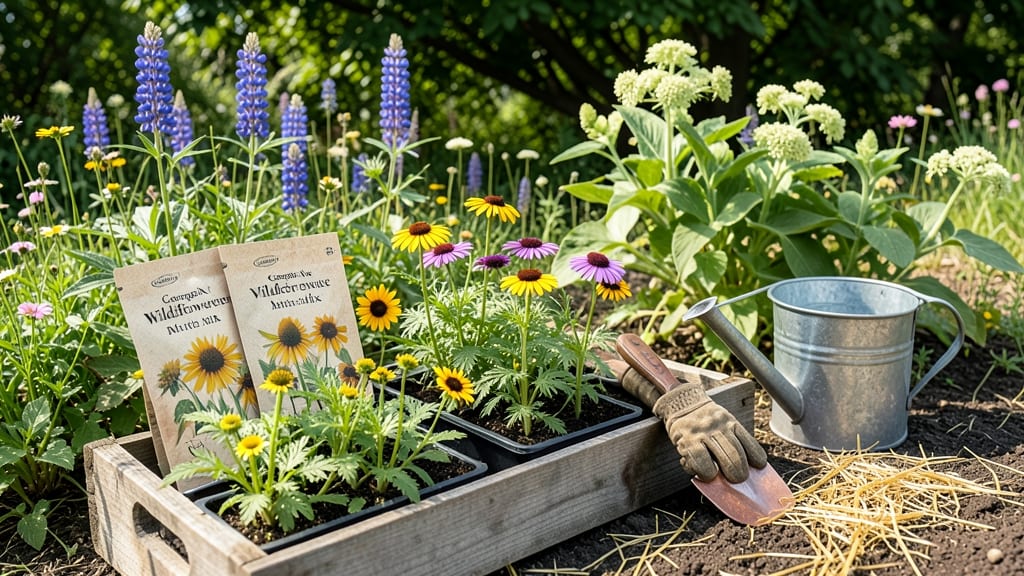
Planting wildflowers in Georgia at the right time ensures vibrant blooms from spring to fall 🌼—and skipping the ideal window means waiting another year for that meadow magic.
Georgia’s warm climate and diverse ecosystems make it a paradise for wildflowers—but planting them at the wrong time can mean missed blooms or stunted growth. Timing is everything, especially in USDA Zones 8a and 8b, where frost-free windows vary by region.
For most of Georgia, the best planting windows are late winter to early spring (February–April) or late summer to early fall (August–October). These periods give seeds the perfect balance of moisture and warmth to sprout before extreme heat or cold sets in.
Below, I break down the exact frost-free timeline by zone, the best wildflower varieties for your region, and pro tips to keep your meadow thriving—no guesswork, just blooms on schedule.
Georgia’s frost-free timeline for wildflower planting by USDA Zone 8a/8b
Timing your wildflower planting in Georgia’s USDA Zones 8a/8b can make the difference between a vibrant meadow and a failed experiment. The state’s frost-free season stretches from mid-March to mid-November, but microclimates create variations—Atlanta’s cooler nights contrast sharply with Savannah’s humid heat.
Understanding these windows ensures your seeds germinate, thrive, and bloom when you expect.
Most gardeners focus on spring planting (March–April), but fall (August–October) offers cooler soils and fewer pests. However, late frosts or early heat waves can disrupt germination. Let’s break down the best planting windows, regional adjustments, and how to mitigate risks like unpredictable weather or soil moisture fluctuations.
For Zone 8a (Atlanta, North Georgia), aim for spring planting in March after the last frost, typically mid-March. However, late frosts can linger into April, so monitor forecasts or use frost protection for early seedlings.
Fall planting in September–October is ideal for perennials, giving roots time to establish before winter dormancy.
In Zone 8b (Savannah, South Georgia), the frost-free season arrives earlier—plant annual wildflowers in late February for a spring bloom. Fall planting can extend into mid-October, but avoid late September to prevent heat stress on emerging seedlings. Savannah’s humidity demands well-draining soil to avoid fungal issues.
Microclimates play a huge role. Urban Atlanta’s concrete and buildings can create 5–10°F cooler pockets, delaying last frosts by a week or more. Conversely, rural areas near Savannah may experience earlier heat waves, stressing young plants.
Use a soil thermometer to confirm temps are above 50°F before planting—critical for seed germination.
Adjust your planting schedule based on wildflower species. Fast-germinating annuals like cosmos or zinnia tolerate late spring plantings, while slower perennials (e.g., black-eyed Susan) need fall prep. Always check seed packets for specific days to germination—some take 7–10 days, others up to 3 weeks.
Risk factors like unpredictable late frosts or early heat can derail your plans. In Atlanta, a late frost in April isn’t unheard of, so consider row covers or choose heat-tolerant varieties like Mexican sunflower (Tithonia). In Savannah, summer droughts may require supplemental watering—mulch heavily to retain moisture.
Pro tip: Plant wildflower mixes with staggered bloom times to extend your meadow’s seasonal color. For example, pair early bloomers like lupine (spring) with late-season goldenrod (fall). This strategy ensures continuous pollinator support from March through October.
Finally, don’t overlook soil moisture after planting. Georgia’s clay soils can bake hard in summer, while fall rains may lead to overwatering. Aim for deep, infrequent watering—about 1 inch per week—and avoid wetting foliage to prevent disease.
With the right timing and adjustments, your wildflower meadow will thrive year after year.
Best wildflower species for Georgia’s planting schedule and climate
Georgia’s native wildflowers thrive when planted at the right time, balancing spring rains and fall humidity. For annuals like cosmos, aim for late winter (February-March), while perennials such as milkweed prefer late summer (August-September) to establish roots before winter.
The key is matching bloom cycles with Georgia’s 210-day frost-free window.
Not all wildflowers play by the same rules. Fast-growing annuals like coreopsis and black-eyed susan sprout quickly but need spring planting to avoid summer heat stress. Meanwhile, perennial workhorses like purple coneflower and butterfly weed benefit from fall planting, giving roots time to anchor before winter dormancy.
When to Plant Wildflowers in Georgia
Spring Planting (Feb-Apr)
- Pros: Cooler temps, natural rainfall
- Best for: Annuals (cosmos, zinnias)
- Risk: Late frost damage
Fall Planting (Aug-Oct)
- Pros: Avoids summer heat stress
- Best for: Perennials (milkweed, coneflower)
- Risk: Early frost if planted too late
Sunlight Needs
- Full sun (6+ hrs): Black-eyed Susan, Coreopsis
- Partial shade (3-6 hrs): Phlox, Columbine
Drought Tolerance
- High: Purple coneflower, Butterfly weed
- Moderate: Zinnias, Cosmos
For full-sun lovers, black-eyed susan (Rudbeckia hirta) and coreopsis are top picks. Plant them in spring (March-April) for summer blooms that last until first frost. These drought-resistant perennials thrive in Georgia’s clay-heavy soil with minimal fuss, making them ideal for low-maintenance meadows.
Milkweed (Asclepias) is another perennial powerhouse, critical for monarch butterflies. Sow seeds in late summer (August-September) to ensure they germinate before winter. This deep-rooted plant tolerates poor soil and drought, perfect for Georgia’s variable rainfall patterns.
If you’re creating a wildflower meadow, mix fast annuals like cosmos (blooms in 60 days) with slow-growing perennials like purple coneflower (takes 2 years to fully establish). Start with spring-planted annuals for immediate color, then add fall-planted perennials for long-term beauty.
Pro tip: Scatter seeds lightly—wildflowers don’t need deep planting. A thin layer of soil (¼ inch max) and a light mulch of straw keep seeds in place while allowing sunlight to reach them. Water deeply once a week for the first month to encourage strong root growth.