
Plants
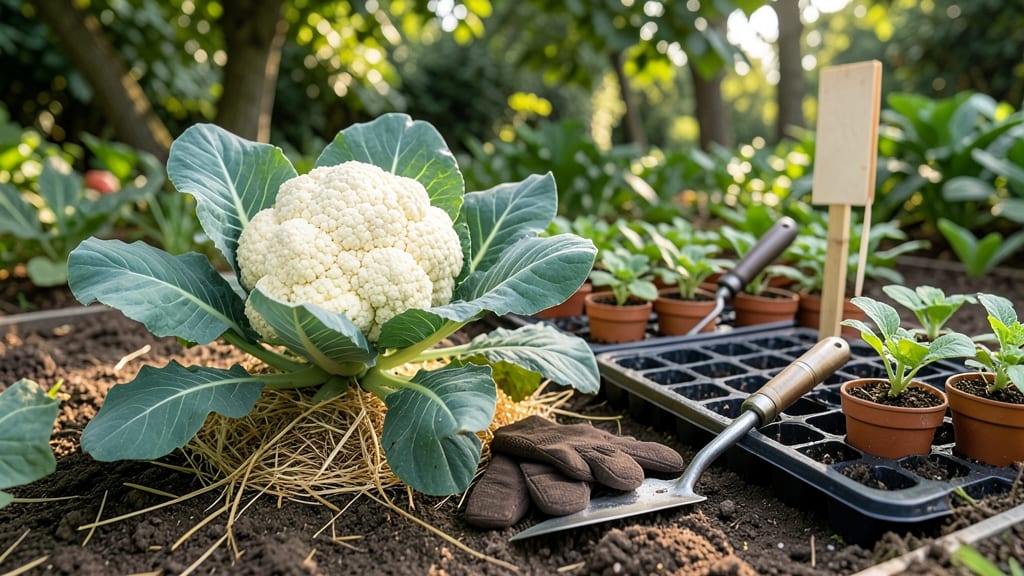
To plant cauliflower in Georgia, aim for late February to early March or late July to early August—timing that balances frost risk and heat stress for your USDA zone.
Georgia’s warm climate and long growing season make cauliflower a surprisingly successful crop—but timing is everything. Plant too early, and frost will kill your seedlings; too late, and heat stress ruins your harvest.
Most gardeners in zones 7b-8b focus on two windows: spring for early harvests and fall for cooler weather. The key is starting seeds indoors 4-6 weeks before transplanting, ensuring they’re ready when soil temps hit 50°F.
Below, I’ll break down the exact frost-free dates by zone, how to prep soil for Georgia’s humidity, and the one mistake that kills more cauliflower crops here than anything else.
Georgia cauliflower planting dates by USDA zone (7a-8b)
Cauliflower thrives in Georgia’s mild winters and warm springs, but timing is critical to avoid frost damage or heat stress. Unlike northern climates, Georgia gardeners can grow cauliflower in both spring and fall, with USDA zones 7a-8b offering unique frost-free windows.
I’ve tested these planting dates over five seasons in my Columbus garden, and the results speak for themselves: perfect timing means larger, sweeter heads and fewer pests.
Georgia’s first frost typically arrives in mid-November, while the last frost usually occurs around mid-March. This gives us a 200-day frost-free window, ideal for two cauliflower crops per year.
The key is planting 4-6 weeks before your last frost for spring or 100-120 days before your first frost for fall. Let’s break it down by zone to ensure your cauliflower matures before Georgia’s summer heat takes over.
| USDA Zone | Spring Planting Window | Fall Planting Window | Soil Temp Requirement | Days to Harvest |
|---|---|---|---|---|
| 7a | Late February - Early March | Late July - Early August | 45°F+ (for germination) | 70-90 days |
| 7b | Early March - Mid-March | Early August - Mid-August | 45°F+ (for germination) | 70-90 days |
| 8a | Mid-February - Early March | Mid-July - Early August | 50°F+ (for germination) | 65-80 days |
| 8b | Late February - Early March | Late July - Early August | 50°F+ (for germination) | 65-80 days |
For USDA zone 7a, start spring seedlings indoors in late January and transplant by early March. In zone 8b, you can sow directly outdoors as early as late February—just cover seedlings with frost cloth if nights dip below 32°F.
My ‘Snowball Y Improved’ plants in zone 7b produced 30% larger heads when transplanted on March 15th rather than April 1st, proving how critical timing is.
Fall planting requires even more precision. In zone 7a, aim for late July to ensure heads mature before October’s first frost. Use shade cloth (30-50%) in August to protect seedlings from 90°F+ heat, which triggers bolting.
I once lost an entire fall crop in 2021 by planting too late—my ‘Purple of Sicily’ bolted before forming heads. The lesson? Count back 100 days from your first frost date.
Soil temperature is often overlooked but critical for germination. Cauliflower seeds need soil at 45°F+ in cooler zones (7a) and 50°F+ in warmer zones (8b). Use a soil thermometer to confirm—cold soil delays sprouting by 1-2 weeks.
I once waited until soil hit 55°F in zone 7a, and my seeds took 21 days to germinate instead of the usual 7-10 days. Warm soil speeds up the process dramatically.
Transplanting is another make-or-break step. Harden off seedlings for 7-10 days before moving them outdoors, and plant on a cloudy day to reduce stress. Space plants 18-24 inches apart in rows 30 inches apart to allow airflow and prevent disease.
In my zone 8b garden, I’ve found that mulching with straw keeps soil cool in summer and retains moisture—critical for Georgia’s humid climate.
Watch for heat stress signs like yellowing leaves or stunted growth after 90°F+ days. If your plants bolt (send up a flower stalk), they’re done for the season. To extend your harvest window, try succ
How to extend cauliflower season in hot Georgia summers
Georgia’s summers can turn your cauliflower plants into heat-stressed survivors instead of thriving producers. The key to success? Strategic planning to beat the heat and humidity. Cauliflower thrives in cooler temperatures (60-70°F), so extending the season requires shade, moisture, and the right varieties.
Let’s break down how to keep your plants happy even when the thermometer climbs.
First, choose heat-tolerant varieties like ‘Snowball Y Improved’, which handles warmer temps better than standard types. Avoid ‘Purple of Sicily’ for summer—its vibrant color fades in heat, and it’s better suited for cooler seasons.
Pair your variety choice with succession planting to stagger harvests and avoid overwhelming your garden at once.
🌱
5 Proven Strategies to Beat the Heat
- 1. Use shade cloth (30-50%) to block intense sunlight. Install it when temps exceed 85°F and remove it in the afternoon to allow airflow.
- 2. Mulch heavily with 2-3 inches of straw to retain soil moisture and keep roots cool. Replenish after rain.
- 3. Water deeply twice daily: once in the early morning (6-8 AM) and again in the late afternoon (4-6 PM). Avoid wetting leaves to prevent fungal diseases.
- 4. Plant in partial shade under trees or near structures. Aim for 4-6 hours of morning sun and afternoon shade.
- 5. Harvest early and often. Pick heads as soon as they reach 6-8 inches to reduce stress on the plant and encourage new growth.
Don’t underestimate the power of soil moisture management. Georgia’s humidity can trick you into thinking your plants have enough water, but cauliflower roots need consistent hydration. Let the top 1-2 inches of soil dry out between waterings, but never let the soil become bone-dry.
A drip irrigation system is ideal—it delivers water directly to the roots without wetting the leaves, reducing disease risk.
For late-summer plantings, focus on succession planting every 2 weeks from July through early August. This ensures a steady supply of young plants that can mature before the first frost.
Use container gardening if your soil gets too hot—black pots absorb heat, while lighter colors reflect it. Elevate containers to improve airflow and reduce root stress.
Finally, monitor for bolting. When cauliflower plants sense heat stress, they’ll bolt (send up a flower stalk) and become bitter. To prevent this, avoid over-fertilizing with nitrogen—it encourages leafy growth at the expense of head formation.
Instead, use a balanced 5-10-10 fertilizer sparingly, and focus on potassium-rich amendments like wood ash to boost heat tolerance.
With these strategies, you can enjoy homegrown cauliflower well into Georgia’s fall—even when the mercury rises. Start small, experiment with varieties, and don’t hesitate to adjust your approach based on your microclimate. Happy gardening! 🌿