
Container Gardens
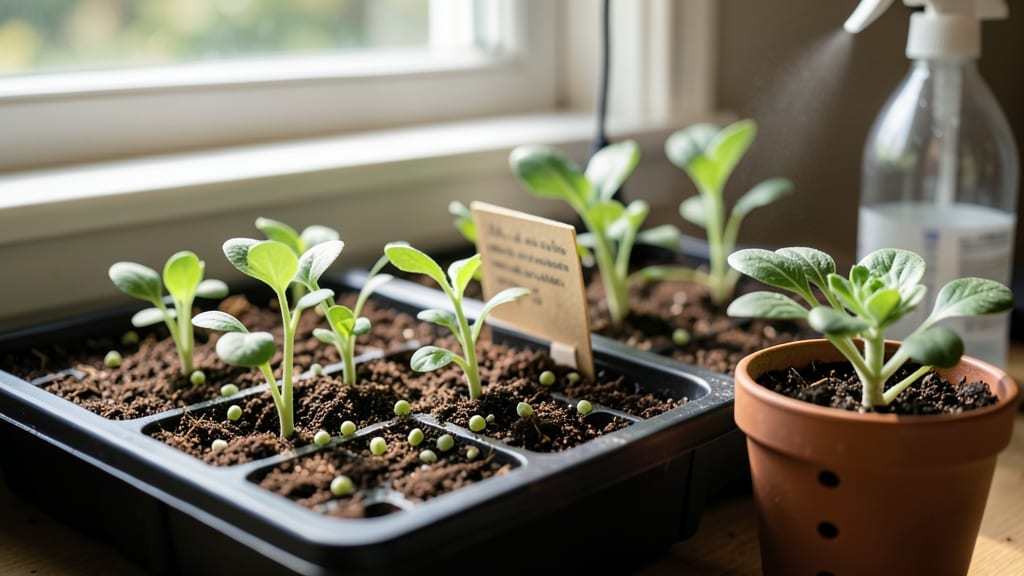
Start cauliflower seeds indoors 8 weeks before your last frost date—that’s the golden rule for healthy, harvest-ready plants 🥬.
Timing is everything when growing cauliflower—start too early, and you’ll face leggy seedlings; too late, and frost will ruin your harvest. Master the 8-week indoor seed-starting window to ensure robust, frost-resistant plants ready for transplanting at the perfect moment.
For most gardeners in Zone 6a (like me), that means sowing seeds in early February. But your exact date depends on your local frost date, seedling maturity, and even the variety you’re growing—some cauliflowers need 100 days to harvest, others just 60.
Below, I’ll break down the exact zone-by-zone schedule, how to tell when seedlings are ready to move outdoors, and the one mistake that kills more cauliflower starts than anything else.
Optimal cauliflower seed starting dates by US hardiness zone
Cauliflower thrives when started indoors 8 weeks before your last frost date, but exact timing varies by USDA hardiness zone. In Zone 3, for example, you’ll begin seeds in early February, while Zone 10 gardeners can start as late as mid-January.
These 8-week windows ensure seedlings develop 4-6 true leaves and sturdy stems before transplanting—critical for head formation.
Use your average last frost date (check local weather records) as your anchor. For Zones 4-7, most gardeners align seed starting with late January to early March.
Southern zones (8-10) can extend windows into February or March for fall harvests. Always account for 10-14 days of hardening off before transplanting.
Regional adjustments matter: Mountainous areas may need 2-3 weeks earlier starts due to cooler microclimates, while coastal zones can delay slightly. Heat-loving varieties like ‘Cheddar’ tolerate warmer soils better, so adjust transplant dates accordingly.
| Zone | Last Frost Date | Start Indoors | Transplant Ready | Notes |
|---|---|---|---|---|
| 3-4 | Mid-May | Early February | Mid-April | Use row covers for early starts |
| 5-6 | Early May | Late January | Late March | Hardening off critical for cold snaps |
| 7-8 | Mid-April | Early February | Early April | Fall starts possible in Zone 8 |
| 9-10 | Early March | Mid-January | Late February | Extend windows for fall crops |
For extended growing seasons, note that purple varieties (like ‘Graffiti’) tolerate cooler soils better than white types. If your area has unpredictable frosts, err on the side of earlier starts—cauliflower seedlings can survive light frosts (28°F) if hardened off properly.
Calculate your transplant window by subtracting 8 weeks from your last frost date, then add 10-14 days for hardening. For example, if frost hits May 15, start seeds by March 15 and transplant by April 15. Use a seedling heat mat (70-75°F) to speed germination in cooler zones.
Late frosts? Delay transplanting until soil reaches 60°F consistently. In Zone 5, this might mean waiting until May 1 instead of April 15. Monitor 7-day forecasts and use frost cloth for protection if needed.
Pro tip: Direct-sow in Zones 9-10 for fall harvests by planting seeds 85-90 days before first frost (typically August-September). This skips the indoor phase entirely for warm climates.
Always verify your local frost dates—they can vary by 1-2 weeks even within the same zone. For container gardening, start seeds 1 week earlier since pots cool faster than in-ground soil.
🌱
Signs your cauliflower seedlings are ready for transplanting
Knowing when to move your cauliflower seedlings outdoors is crucial for a successful harvest. Transplanting too soon exposes them to frost damage, while waiting too long risks bolting or stunted growth. Look for these key signs to ensure your seedlings are ready for their permanent home in the garden.
First, check the leaf count—your seedlings should have 4 to 6 true leaves, excluding the initial cotyledons. These true leaves indicate the plant has developed enough energy reserves to thrive outside.
A healthy seedling will also have a thick, sturdy stem, about the diameter of a pencil, signaling it’s strong enough to support the heavy cauliflower head.
5 Key Signs Your Cauliflower Seedlings Are Transplant-Ready
- 1. 4-6 true leaves – Excludes the first two seed leaves; count only the larger, mature leaves.
- 2. Thick stem (pencil-sized) – Indicates strong structural support for the developing head.
- 3. Deep green, vibrant leaves – No yellowing or browning, which signals nutrient deficiencies or stress.
- 4. Healthy root system – Roots should fill the container and be white, not mushy or circling.
- 5. Soil temperature ≥60°F – Use a soil thermometer to confirm outdoor conditions are safe.
💡 Pro Tip: Harden off seedlings for 7-10 days before transplanting to acclimate them to outdoor conditions.
Don’t overlook the root system—healthy roots should fill the seedling container and appear white and fibrous. If roots are circling or tangled, it’s a sign they’ve outgrown their space and need transplanting soon. Gently squeeze the container to check for resistance; roots should feel snug but not compacted.
Environmental cues also play a critical role. Wait until the soil temperature consistently reaches 60°F or higher—cauliflower is sensitive to cold soil, which can stunt growth.
Use a soil thermometer to monitor conditions, especially in cooler climates. Additionally, ensure nighttime temperatures won’t dip below 50°F, as frost can damage young plants.
Watch for signs of bolting, where the plant prematurely sends up a flower stalk. This often happens if seedlings are stressed by heat, drought, or rapid temperature swings. If you notice the stem elongating or leaves yellowing, act quickly by transplanting or providing shade to prevent bolting.
Finally, time your transplanting to align with the 8-week indoor seed-starting window you’ve followed. If you’ve started seeds correctly, your seedlings should be ready to move outdoors just as the last frost date approaches. This timing ensures they’ll have enough time to mature before cooler weather sets in.
Once you’ve confirmed all these signs, it’s time to transplant! Choose a cloudy day or late afternoon to minimize stress on the seedlings. Water thoroughly before and after transplanting to help them establish roots quickly in their new home. 🥬