
Blooming
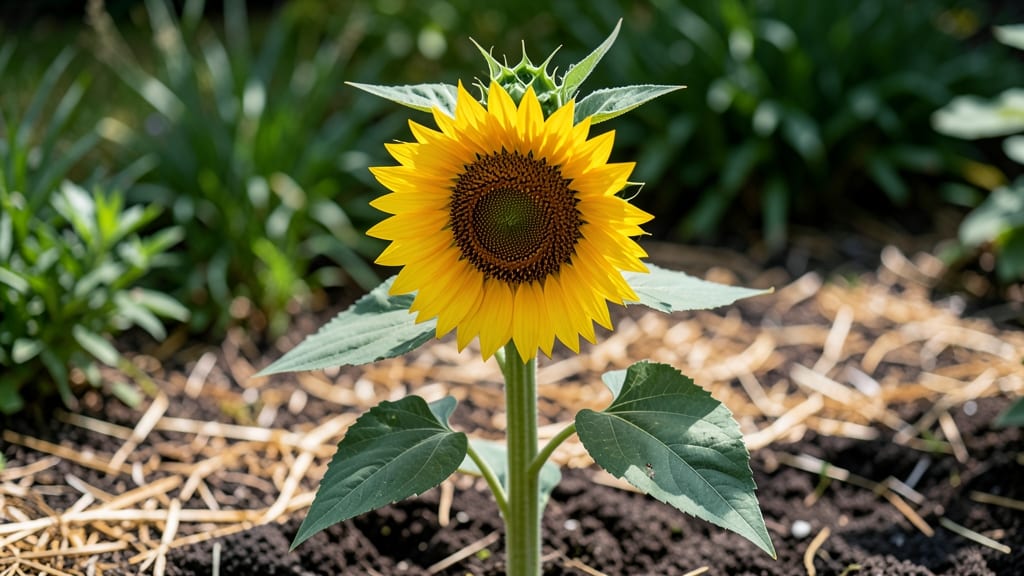
Sunflowers start to bloom around 70 days after planting, though the exact timing depends on the variety and growing conditions you provide.
Picture this: you’ve just tucked those tiny seeds into the soil in April or May, and by midsummer, your garden is a golden sea of 🌻 faces. But what if your sunflowers are taking longer than expected?
Or maybe you’re eager to speed up the process? The key lies in understanding how sunlight, soil, and even your local climate zone play a role.
Some varieties, like the classic Mammoth, need that full 70-day window, while others, such as Teddy Bear, can bloom in as few as 50 days. The difference? It’s all about genetics, planting depth, and whether you’re in a warmer zone like 6a or a cooler one.
I’ll break down the timeline by variety so you know exactly what to expect—and how to give your sunflowers the best shot at a timely, dazzling display.
Ready to turn your garden into a sunflower spectacle? I’ll also share my top tips for encouraging faster blooms, from soil prep to sunlight tricks, so you can enjoy those cheerful faces sooner rather than later.
Sunflower bloom timeline by variety: 70-Day growth guide
Sunflowers are one of the fastest-growing plants in any garden, but their blooming timeline can vary dramatically based on the variety you choose. Most sunflowers reach maturity in 70-120 days, but some dwarf varieties bloom in as few as 50 days.
Understanding these timelines helps you plan for season-long color or cut flower harvests.
Early-season varieties like Teddy Bear and Moulin Rouge often bloom in 55-65 days, making them perfect for extended summer displays. Meanwhile, towering giants like Mammoth or Russian Giant take 90-120 days to reach their full 10-16 foot height and bloom.
Let’s break down the growth stages and timelines for popular varieties.
| Variety | Height | Days to Bloom | Best For |
|---|---|---|---|
| Teddy Bear | 1-3 ft | 55-65 days | Cut flowers, containers |
| Moulin Rouge | 3-5 ft | 60-70 days | Early blooms, pollinators |
| ProCut | 4-6 ft | 65-75 days | Long vase life, commercial cuts |
| Mammoth | 10-14 ft | 85-100 days | Statement plants, tall borders |
| Russian Giant | 12-16 ft | 90-120 days | Dramatic height, late-season blooms |
| Autumn Beauty | 5-7 ft | 70-80 days | Color-changing blooms |
| Sunspot | 2-4 ft | 50-60 days | Early blooms, pollinators |
If you’re planting sunflowers for a specific event, like a wedding or fall harvest, choose varieties with predictable bloom times. For example, ProCut sunflowers bloom in 65-75 days, making them ideal for late summer bouquets.
Meanwhile, Russian Giant sunflowers take longer but reward you with stunning late-season height and seed production.
To ensure your sunflowers bloom on time, start with healthy seeds and plant them in well-draining soil after the last frost. Most varieties require full sun (6-8 hours daily) and consistent moisture during germination. Once established, they’re drought-tolerant, but deep watering every 5-7 days encourages faster growth.
Watch for bud formation—this is your first sign that blooming is near! Buds typically appear 4-6 weeks before the flower opens. For early blooms, consider starting seeds indoors 4-6 weeks before your last frost date.
If you’re in a warmer climate (USDA Zone 8+), you might even get two blooming cycles in a single season!
For extended blooming, deadhead spent flowers by removing the wilted petals and seed head. This encourages the plant to produce additional blooms instead of focusing energy on seed development. Just be sure to leave a few seed heads for bird feeding and next year’s garden.
In cooler climates (USDA Zones 3-6), plant early-season varieties like Teddy Bear or Sunspot for summer color. If you’re in a hotter zone (7-10), opt for heat-tolerant varieties like Autumn Beauty or ProCut to avoid bolting or premature wilting.
Remember, soil fertility plays a key role in blooming time. Amend your soil with compost or a balanced fertilizer (10-10-10) before planting. Over-fertilizing with nitrogen can delay blooming, so focus on phosphorus and potassium to encourage flower production.
With the right variety and care, your sunflowers will reward you with vibrant blooms that brighten up your garden from early summer to fall. Whether you’re growing them for cut flowers, bird feed, or seasonal joy, knowing their bloom timeline helps you plan for
How to accelerate sunflower blooming: climate, soil, and planting tips
Sunflowers thrive when given the right conditions, but many gardeners wonder why their plants take longer than expected to bloom. The truth is, sunflower blooming speed depends on three key factors: climate and planting timing, soil quality, and sunlight exposure.
By optimizing these, you can shave weeks off the typical 70-day bloom cycle and enjoy those cheerful faces sooner.
For example, planting in USDA Zones 4-9 means timing matters—direct-sowing after the last frost (when soil hits 50°F) ensures faster germination. Meanwhile, rich, well-draining soil packed with organic matter fuels rapid growth.
Skipping these steps often leads to stunted plants or delayed blooms, leaving you waiting months instead of weeks.
When Do Sunflowers Start to Bloom?
- Faster germination (5-10 days)
- Longer sunlight exposure for blooming
- Reduced pest pressure early in season
- Cold soil delays sprouting (risk of rot)
- Weaker stems from slow growth
- Late blooms if frost arrives
- Plant in warm soil (50°F+)
- Use compost-rich soil for nutrients
- Choose dwarf varieties (e.g., 'Teddy Bear') for faster blooms
One of the biggest mistakes gardeners make is overwatering young sunflowers. While consistent moisture is important during germination, soggy soil suffocates roots and slows growth. Instead, aim for 1-2 inches of water per week once seedlings emerge, focusing on deep watering at the base to encourage strong root development.
Sunlight is non-negotiable—sunflowers need 6-8+ hours of direct sun daily to bloom on schedule. If your garden gets less, consider growing dwarf varieties like 'Moulin Rouge' (3-4 ft tall) or 'Autumn Beauty' (4-5 ft), which tolerate partial shade better than towering types.
Even a few hours of shade can delay blooming by 2-3 weeks.
For USDA Zones 1-3, start seeds indoors 6-8 weeks before the last frost date, then transplant outdoors after soil warms. In Zones 7-10, direct-sow in late spring (April-May) to avoid summer heat stress.
Always stake taller varieties (like 'Mammoth') early to prevent flopping, which can block sunlight and delay blooming.
Finally, avoid over-fertilizing with nitrogen, which promotes leafy growth at the expense of flowers. A balanced 10-10-10 fertilizer applied at planting and again when buds form will encourage faster blooming without excessive foliage.
With these tweaks, you could see your first sunflowers open in as little as 45-50 days!