
Plants
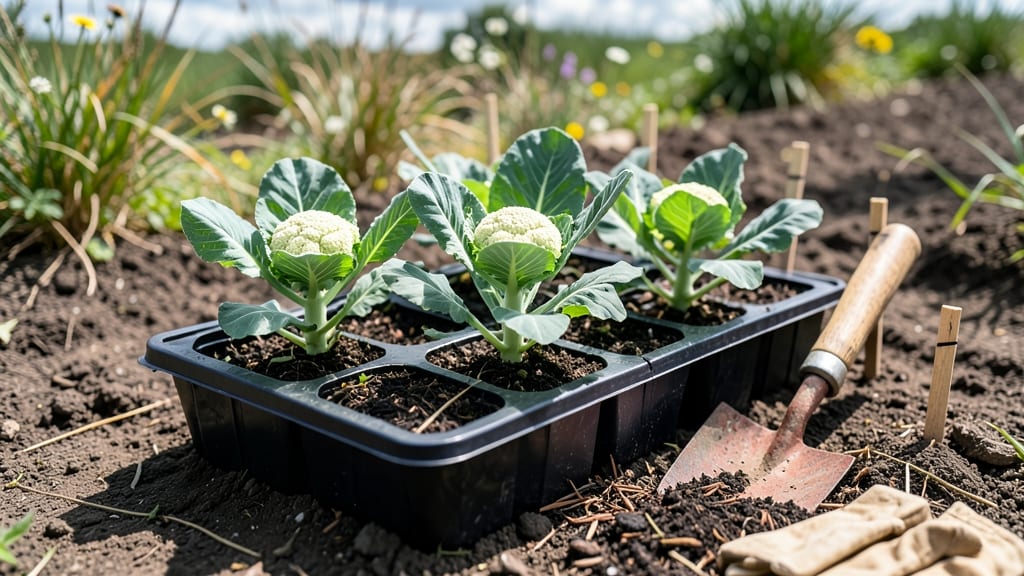
Planting cauliflower in Zone 7 at the right time means the difference between a bountiful harvest and a bitter disappointment 🥬.
Too early, and the heat will bolt your plants before they form heads. Too late, and frost will ruin your crop before it matures. In Zone 7, the sweet spot is a narrow window that most gardeners miss—here’s how to nail it.
Spring plantings should go in the ground 4–6 weeks before your last frost (around mid-March for most of Zone 7), while fall crops need to be sown by early September to avoid early cold snaps. Get the timing wrong, and you’ll end up with stunted plants or tough, woody heads.
Below, I break down the exact frost-free timeline, soil prep tips, and how to adjust for early or late harvests so you can grow perfect cauliflower heads every season.
Zone 7 cauliflower planting calendar: best months for spring and fall harvests
Cauliflower loves cool weather but wilts in Zone 7 heat, so timing is everything. Plant too early, and frost zaps seedlings. Too late, and summer's heat forces bitter, loose heads. The key? Soil temps between 60°F–70°F and frost-free windows that avoid bolting. Let’s break down the perfect schedule for your spring and fall harvests.
In Zone 7, your last average frost date is around April 15, and the first frost typically hits November 1. This gives you two ideal planting windows: early spring (March–April) and late summer (August–September).
Each requires different prep to ensure firm, flavorful heads—not the sad, yellowing rejects you’ve seen at the grocery store.
Here’s your frost-free planting timeline, including soil temperature needs and harvest windows to plan ahead. Pro tip: Use row covers to extend seasons if your microclimate runs cooler or warmer than average.
For spring planting, start seeds indoors 6–8 weeks before your last frost date (around February 15–March 1 in Zone 7). Transplant seedlings outdoors when soil temps hit 50°F+ and nighttime temps stay above 40°F.
If you’re impatient, try a late-May planting with fast-maturing varieties like ‘Purple of Sicily’ (ready in 60 days) to beat the heat.
Fall is where Zone 7 gardeners shine. Plant seeds or seedlings in August for a cool-season harvest before winter. Aim to harvest by October–November to avoid frost damage. If your fall stretches longer, use floating row covers to protect tender heads from early frosts.
Just remember: cauliflower hates heat, so avoid planting after mid-September unless you’re using shade cloth.
Soil temperature is your secret weapon for success. Use a soil thermometer to confirm temps are 50°F–70°F before planting. If it’s too cold, seedlings won’t germinate; if it’s too hot, they’ll bolt. Amend your soil with compost
How to adjust planting dates for early or late harvests in Zone 7
Zone 7 gardeners know that cauliflower hates summer heat—so timing is everything. The key to early harvests or late-season success lies in adjusting your planting schedule to avoid bolting (premature flowering) or heat stress.
With the right strategies, you can stretch your growing season by 6-8 weeks on either end.
For early harvests, start with fast-maturing varieties like 'Snowball Y' (58 days) or 'Purple of Sicily' (60 days). These give you a jump on the spring season while still delivering tender, sweet heads.
Meanwhile, row covers can push your fall harvests into November by shielding plants from early frosts and cool nights.
Microclimates in Zone 7 vary wildly—urban areas may stay warmer longer, while rural spots cool faster. Use this to your advantage: Plant near south-facing walls or elevated beds to capture extra warmth for late crops. Even a 5°F difference can mean the difference between a successful harvest and a bitter, inedible head.
- 1
- 2
- 3
- 4
- 5
If you're aiming for a late harvest, focus on soil temperature—cauliflower roots struggle when soil exceeds 80°F. Amend beds with compost and sand to improve drainage, and water deeply in the morning to keep roots cool.
A mulch layer of straw also helps maintain even moisture and moderate temps.
For urban gardeners, container growing is a game-changer. Use 5-gallon pots with well-draining mix and plant 1-2 plants per container. Move pots to shadier spots during peak afternoon sun (1-4 PM) to prevent heat stress.
This method lets you adjust planting dates flexibly based on your balcony’s microclimate.
Remember: cauliflower is a cool-season crop, so the goal is to beat the heat, not fight it. With these adjustments, you’ll enjoy fresh, sweet heads from spring to fall—without the bitter, woody texture that comes from poor timing. 🥬