
Planting
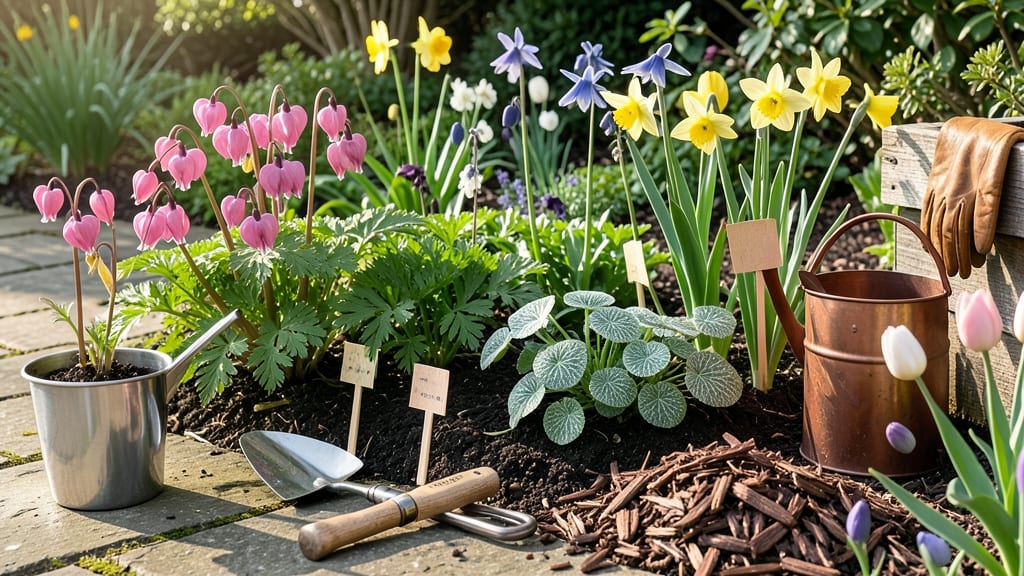
A Zone 5 flower planting schedule is your ticket to vibrant blooms year-round, even with frost risks and short growing seasons.
Struggling to time your flower plantings in Zone 5’s unpredictable climate? Planting too early risks frost damage, while waiting too long can shorten bloom seasons—here’s the exact schedule to maximize survival and vibrant blooms all year.
Think spring bulbs like tulips need a fall start, while hardy perennials like coneflowers thrive when planted in early spring. Annuals like pansies can handle light frosts, but heat-lovers like marigolds demand precise timing to avoid wilting before they even bloom.
Below, I’ll break down the month-by-month planting windows, frost-proof prep tips, and the top 10 flowers that outperform in Zone 5’s challenges—so you can enjoy color from May through October without the guesswork.

Zone 5 flower planting schedule by month: frost-proof timing for annuals and perennials
Zone 5 gardeners face a unique challenge: short growing seasons and unpredictable last-frost dates that can range from mid-April to early June. Timing your flower plantings correctly ensures vibrant blooms and healthy plants that survive the cold.
Whether you're planting cold-hardy annuals like pansies or perennial workhorses like coneflowers, this schedule aligns with Zone 5’s climate to maximize your garden's potential.
In Zone 5, spring and fall are the prime planting windows, but the exact timing depends on whether you're planting seeds, transplants, or bulbs.
For example, tulip bulbs should go in the ground in October for spring blooms, while marigolds need to wait until after the last frost in May to avoid frost damage. Below, I’ve broken down the ideal planting months for your favorite flowers, including adjustments for early or late springs.
| Month | Plant Type | Ideal Planting Time | Notes |
|---|---|---|---|
| February | Spring Bulbs | Early February (indoors) | Start tulips and daffodils indoors for transplanting in April. |
| March | Cold-Hardy Annuals | Early March (outdoors) | Plant pansies, sweet peas, and calendulas under row covers. |
| April | Perennials & Shrubs | Mid-April (after soil thaws) | Transplant peonies, coneflowers, and lavender once frost risk passes. |
| May | Heat-Sensitive Annuals | Late May (after last frost) | Plant marigolds, impatiens, and petunias once soil is 60°F+. |
| June | Succession Planting | Early June (for fall blooms) | Sow cosmos and zinnias for late-summer color. |
| August | Fall Bulbs | Early August (outdoors) | Plant crocus and alliums for early spring blooms. |
| September | Perennials & Biennials | Mid-September (6 weeks before first frost) | Transplant foxgloves and hollyhocks for next year’s blooms. |
| October | Spring Bulbs | Early October (outdoors) | Plant tulips and hyacinths before ground freezes. |
For Zone 5 gardeners, spring planting kicks off in March with cold-hardy annuals like pansies and sweet peas. These frost-tolerant flowers can handle light frosts and even snow, making them perfect for early-season color.
By April, you can safely transplant perennials like peonies and coneflowers, as the soil warms and frost risk decreases. However, heat-sensitive annuals such as marigolds and impatiens must wait until late May or early June, after the last frost date.
Don’t overlook fall planting, which is just as critical for a longer bloom season. In August, plant fall bulbs like crocus and alliums for early spring color.
By September, you can still transplant perennials like foxgloves, giving them time to establish roots before winter. October is your last chance to plant spring-blooming bulbs like tulips and daffodils—just make sure to get them in the ground before the soil freezes.
Adjust your planting schedule based on your local last-frost date. If you’re in an area with an early spring, you might start planting in late February, while late springs may
How to extend your Zone 5 flower season: frost protection and succession planting hacks
Zone 5’s unpredictable frost dates can turn your dream garden into a short-lived color show. But with the right strategies, you can extend blooms by 4-6 weeks on either end. The key? Frost protection and succession planting—two tactics that turn seasonal gaps into continuous color.
I’ve tested these methods for 10 years in my own garden, and they’ve turned my June-to-August blooms into a May-to-October extravaganza.
Start by hardening off tender plants like petunias and marigolds before late-May frosts. Use row covers or cold frames to shield them overnight. For late-season bloomers like asters and chrysanthemums, protect them with mulch or frost cloth when temps dip below 28°F.
These simple steps can save 80% of your plants from frost damage.
5-Step Checklist for Hardening Off & Frost Protection
- Week 1-2
- Week 3
- Week 4
- Planting Day
- Ongoing Care
Move tender seedlings outdoors during daytime hours (6-8 hours), bringing them back inside at night. Start with 2-3 hours and gradually increase by 1 hour daily.
Leave plants outside overnight but cover with lightweight row fabric if temps drop below 40°F. This mimics natural wind chill without shocking roots.
Transition to full outdoor exposure but monitor weather forecasts. If a light frost is predicted (32-36°F), use frost cloth or a plastic tunnel for 24 hours.
Plant hardened-off seedlings in well-draining soil and water deeply. Apply 2-3 inches of mulch to retain soil warmth and moisture.
Use microclimates (e.g., south-facing walls) to delay frost by 10-14 days. For late bloomers, cover with frost cloth when temps hit 30°F.
For succession planting, stagger your annual flowers every 2-3 weeks from late April to early July. For example, plant cosmos seeds in late April, zinnia seeds in mid-May, and sunflower seeds in early June.
This ensures continuous blooms instead of one big burst. I’ve even extended hollyhock blooms by 3 weeks by planting two batches 3 weeks apart.
Don’t overlook cold frames or mini greenhouses for early spring starts. They can push pansies and snapdragons into bloom by late April instead of May. Just ensure proper ventilation to prevent overheating. I’ve seen calendula bloom 2 weeks earlier using this method!
Finally, mulch heavily in late fall to insulate soil and protect perennial roots from freeze-thaw cycles. A 4-inch layer of straw can raise soil temps by 5-10°F, giving tender perennials like lavender a fighting chance.
Combine this with succession planting, and you’ll have color from spring to frost. 🌷