
Plants
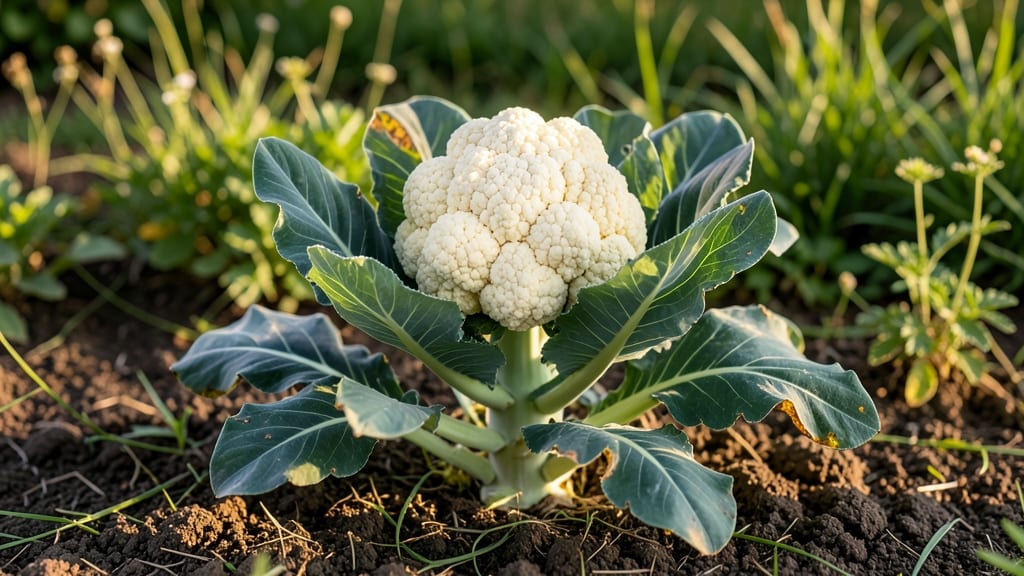
Cauliflower plants grow anywhere from 8 inches to over 2 feet tall, depending on the variety you choose — and picking the right one for your space could mean the difference between a thriving harvest and a cramped garden.
Wondering if your backyard—or even balcony—has enough space for cauliflower? The height of your plants depends entirely on the variety, and choosing the wrong one could mean wasted space or stunted harvests.
Dwarf varieties like 'Snowball Y Improved' stay compact at just 12 inches, making them perfect for containers or small gardens, while standard types like 'Romanesco' can reach 24 inches or more.
Below, I’ll break down how height affects spacing, trellising, and even companion planting, so you can plan your garden layout like a pro.


Cauliflower plant height by variety: compact vs towering options
Choosing the right cauliflower variety starts with understanding their height ranges. Some varieties stay as short as 8 inches, while others can reach 3 feet or more.
Your garden layout—whether containers, raised beds, or in-ground—depends entirely on these differences. Let’s break down the most popular types so you can plan your space wisely.
For small-space gardeners, dwarf varieties like Purple of Sicily or Snowball Y Improved are perfect. These stay under 12 inches tall, making them ideal for balcony gardens or window boxes.
Meanwhile, standard varieties like Romanesco or Cheddar grow 18-24 inches, requiring more room but still fitting well in traditional garden beds.
If you’re dreaming of giant curds, varieties like Graffiti or Violetto can grow 2-3 feet tall. These need spacious beds or even trellis support to prevent toppling. The key is matching your variety height to your garden’s layout to avoid overcrowding or wasted space.
🌱
When planning your cauliflower layout, always check the spacing needs for each variety. For example, Graffiti needs 30–36 inches between plants to avoid competition, while Purple of Sicily can thrive in 12-inch pots on a sunny patio.
This ensures your plants have room to develop strong roots and healthy heads.
For container gardening, stick to dwarf or semi-dwarf varieties. A 5-gallon pot works well for Snowball Y Improved, while 10-gallon containers can handle Romanesco. Just ensure the container has drainage holes and depth to support the plant’s root system as it grows.
In raised beds, you can fit more plants per square foot by choosing compact varieties. For instance, Purple of Sicily allows you to plant 9 plants per 4x8-foot bed with proper spacing.
In contrast, Graffiti would only fit 4–5 plants in the same space due to its height and spread.
If you’re growing tall varieties like Graffiti or Violetto, consider trellising or caging to support their weight. A simple stake or tomato cage can prevent the plants from flopping over, especially in windy conditions. This also makes harvesting easier and keeps your garden neat.
Finally, think about companion planting to maximize space. Pairing cauliflower with shallots or lettuce (which stay low) lets you use vertical space efficiently. Avoid planting near tomatoes or peppers, as they compete for nutrients and can stunt your cauliflower’s growth.
With the right variety selection and space planning, you’ll have a thriving cauliflower patch—whether it’s a tiny balcony or a sprawling backyard. Happy gardening! 🌿
How tall cauliflower gets at each growth stage: from seedling to harvest
Cauliflower’s height isn’t static—it changes dramatically from seedling to harvest, making space planning a moving target. Understanding these growth stages helps you prepare for support structures or pruning needs before they become urgent.
Whether you’re growing dwarf varieties in containers or tall types in raised beds, knowing when and how much your plants will grow saves you from crowded gardens or wasted space.
Start with seedlings, which are tiny but already setting the stage for future growth. These delicate sprouts rarely exceed 2-4 inches tall in their first 3-4 weeks.
Their compact size makes them ideal for early transplanting, but don’t let their small stature fool you—they’ll soon demand more room as they mature. This is also the best time to harden off seedlings before moving them outdoors.
During the pre-heading stage, cauliflower plants undergo their most dramatic height surge. This is when dwarf varieties (like ‘Snowball Y Improved’) reach 12 inches, while standard types (such as ‘Romanesco’) can shoot up to 18 inches in just 4 weeks.
Their leaves spread outward, creating a bushy canopy that may require pruning to prevent disease. I recommend removing the lowest leaves to keep air circulating and reduce humidity near the soil.
By the time cauliflower enters the mature stage, its height stabilizes—but its weight increases significantly. The curd itself can add 2-3 pounds of pressure to the stem, especially in large varieties.
If you’re growing tall cauliflower like ‘Chef’s Choice,’ consider installing tomato cages or bamboo stakes early to prevent toppling. Even dwarf varieties benefit from light support if grown in containers, where wind or rain can stress their stems.
Pruning plays a crucial role in managing height and yield. Once the main curd forms, remove any side shoots that compete for nutrients. This not only keeps your plant’s height in check but also ensures the primary head grows larger.
For continuous harvests, some gardeners leave a few side shoots to develop into smaller heads, but this requires more space and careful monitoring of plant height.
If you’re short on space, timing your harvest is key. Dwarf varieties mature faster and stay compact, making them perfect for container gardening or small balconies. In contrast, tall varieties need at least 18-24 inches of vertical space and benefit from vertical gardening techniques.
Plan ahead by checking your variety’s days to maturity—some can be harvested in as little as 60 days, while others take up to 100 days to reach full height and curd formation.