
Planting
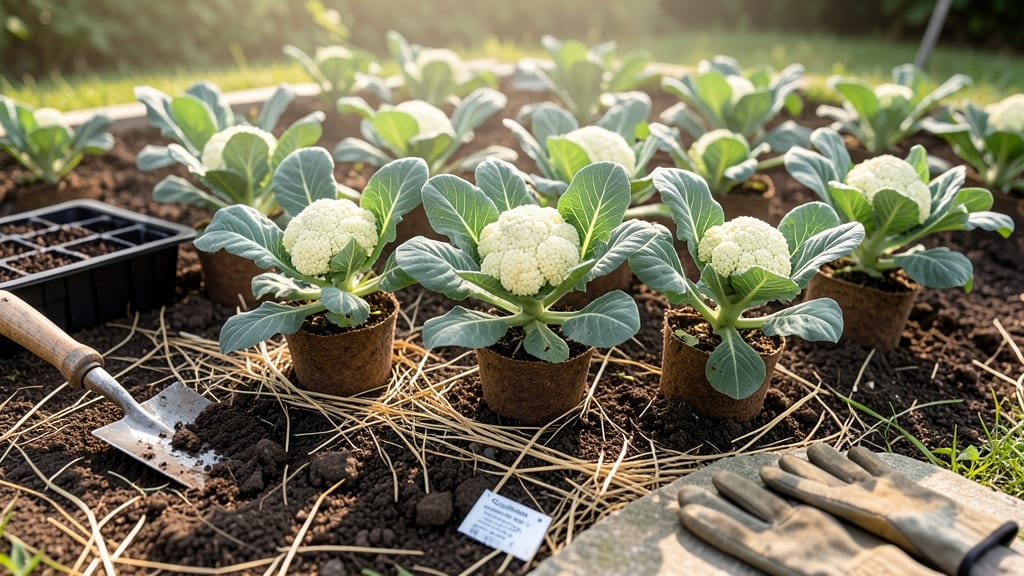
Planting cauliflower plants correctly means the difference between a vibrant harvest and a bitter disappointment—especially when you’ve waited months for those 🥬 heads to form.
I’ve seen gardeners pull up stunted plants because they missed the 18-inch spacing or buried seeds too deep, and it’s a shame to lose a crop that’s this rewarding.
Here’s the secret: cauliflower thrives in cool weather but hates competition for nutrients or sunlight. Too close together, and you’ll get small, tough heads. Too shallow, and the roots won’t anchor properly.
The good news? With the right soil prep and timing, you can avoid these mistakes and enjoy a garden full of tender, snow-white curds by late spring.
In this guide, I’ll walk you through everything from soil pH to transplanting seedlings, including the exact depth to plant (hint: it’s not what most tutorials say). Whether you’re starting from seeds or buying transplants, these steps will set you up for success—no guesswork required.
Ready to grow cauliflower like a pro? Let’s get your plants in the ground the right way, so you can focus on the harvest instead of the headaches.
Optimal cauliflower planting depth and spacing for maximum yield
Cauliflower plants need precise planting to thrive, and getting the depth and spacing right ensures strong roots and healthy heads. I’ve learned from years of gardening that even small mistakes here can lead to stunted growth or bitter-tasting produce.
Let’s break down the essentials for planting depth, row spacing, and plant spacing to maximize your harvest.
When planting cauliflower seeds, aim for a depth of ½ inch in the soil. This shallow placement prevents seeds from rotting while allowing them to access moisture efficiently.
For transplants, bury the root ball just deep enough so the top of the roots is level with the soil surface. This ensures the plant doesn’t struggle to establish itself.
Here’s a quick reference for row spacing and plant spacing to prevent overcrowding and disease. Proper spacing also maximizes sunlight exposure, which is critical for cauliflower growth.
For row spacing, maintain 12–18 inches between rows. This spacing allows for adequate airflow, which is crucial for preventing fungal diseases like clubroot or downy mildew. I’ve found that wider rows also make it easier to weed and harvest without disturbing neighboring plants.
When it comes to plant spacing, give each cauliflower plant 24–36 inches of space. This might seem generous, but it’s essential for maximizing sunlight exposure and preventing competition for nutrients. Overcrowding leads to smaller heads and increased susceptibility to pests.
Cauliflower seeds germinate best in soil temperatures between 50–85°F. If you’re planting in early spring or late summer, ensure the soil is warm enough to avoid slow germination. I recommend using a soil thermometer to monitor temperatures, especially in cooler climates.
Keep the soil consistently moist but not waterlogged. Cauliflower plants are sensitive to drought, and uneven moisture can cause heads to split or become bitter. Mulching around the base of plants helps retain moisture and regulate soil temperature, which is especially helpful in hot climates.
One common mistake I see is planting cauliflower too deep. If the stem is buried too far, it can rot and fail to establish properly. Always check the depth guidelines for your specific variety, as some dwarf varieties may have slightly different requirements.
Finally, always plant cauliflower in a location with full sun exposure—at least 6 hours of direct sunlight daily. Partial shade can lead to leggy plants and poor head formation.
If you’re growing in a container, choose a spot that gets ample sunlight and ensure the container is large enough to accommodate the mature plant size.
Soil preparation and amendments for healthy cauliflower growth
Cauliflower demands rich, well-draining soil to develop those tight, flavorful heads you crave. Start by testing your soil pH—cauliflower thrives in a 6.0 to 7.0 range. If your soil is too acidic or alkaline, amend it with lime (to raise pH) or sulfur (to lower pH) before planting.
I’ve found that loamy soil with high organic matter produces the best results, but sandy soils can work if properly amended.
For optimal growth, incorporate 2-4 inches of compost or well-aged manure into the top 12 inches of soil. This boosts nutrient availability and improves water retention.
Avoid fresh manure, as it can burn young plants and introduce pathogens. Instead, opt for composted cow or chicken manure for a balanced nutrient boost.
Cauliflower is a heavy feeder, so enrich your soil with a balanced fertilizer (like 10-10-10) at planting time. Add potassium-rich amendments, such as greensand or wood ash, to prevent buttoning (premature flowering), a common issue when plants stress from nutrient deficiencies.
Phosphorus, found in bone meal, encourages strong root development and head formation.
Soil Amendments for Cauliflower
✅ DO
- Test soil pH (6.0-7.0)
- Add compost (2-4 inches)
- Use balanced fertilizer (10-10-10)
- Incorporate potassium (greensand)
❌ DON'T
- Use fresh manure (burns roots)
- Skip pH adjustment (causes deficiencies)
- Over-fertilize with nitrogen (promotes leafy growth, not heads)
- Plant in compacted clay (restricts roots)
Yellowing leaves often signal nutrient deficiencies, particularly magnesium or nitrogen. To prevent this, mix in Epsom salt (magnesium sulfate) at planting and side-dress with compost tea every 4-6 weeks.
For sandy soils, which drain too quickly, blend in peat moss or coconut coir to improve moisture retention without suffocating roots.
If your soil is heavy clay, create raised beds or mounds to improve drainage. Cauliflower hates soggy roots, which can lead to rot and disease. Work in perlite or vermiculite to lighten the soil and encourage aeration.
I’ve had great success with biochar, which enhances microbial activity and nutrient availability for heavy feeders like cauliflower.
Finally, mulch with straw or shredded leaves to retain moisture and suppress weeds. This keeps the soil consistently cool, which is critical for cauliflower—it bolts (goes to seed) in hot temperatures. With the right soil prep, your plants will focus energy on head formation instead of survival.