
How To
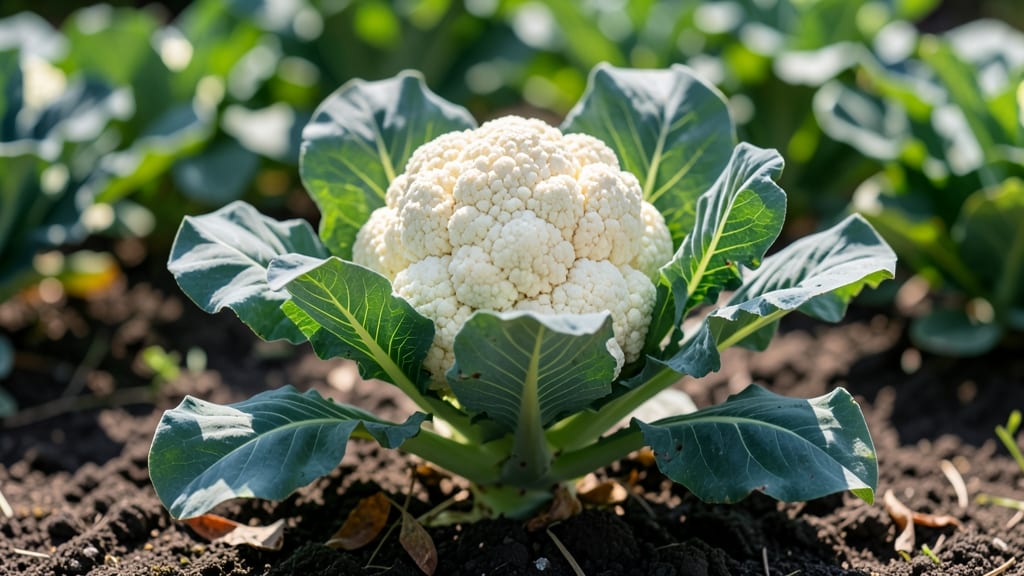
A mature cauliflower head can range from the size of a baseball to a dinner plate 🥬 — and the difference between those two depends entirely on the variety you grow and how you space them.
Wondering if cauliflower will take over your garden? The size of this versatile vegetable can vary dramatically—from compact dwarf varieties that fit in a container to sprawling giants that need a full foot of space between plants.
Most standard varieties like Snowball reach 6-8 inches in diameter at harvest, while heirlooms or Romanesco can hit 10+ inches and require more room to develop properly. Even a small difference in spacing can mean the difference between a bumper crop and plants fighting for nutrients.
Below, I’ll break down how to choose the right variety for your space, how to plan your layout for optimal growth, and the one mistake that makes cauliflower heads grow lopsided or bolt prematurely.
Cauliflower plant size by variety: from dwarf to giant
If you're planning your garden layout, knowing how big cauliflower plants grow is essential. The space requirements vary dramatically between varieties, from compact dwarf types perfect for containers to large-headed giants that need generous spacing.
Understanding these differences helps you maximize yield without overcrowding. Let's explore the size variations so you can choose the perfect fit for your garden.
Most gardeners assume all cauliflower plants reach similar heights, but the truth is far from it. For example, Miniature Green varieties stay under 12 inches tall, while Romanesco can tower up to 24 inches.
The head size also varies—some produce 4-inch heads, while others develop 10-inch monsters. These differences directly impact your planting plan and harvest strategy.
Here's a quick comparison of what to expect from popular varieties in terms of mature plant height, spread, and head size:
For container growing, the Miniature Green and Purple of Sicily varieties are excellent choices. These compact types thrive in 5-gallon pots with proper care, making them perfect for balconies or small patios.
Just ensure your container has drainage holes to prevent root rot, which can stunt growth and reduce head size.
If you're growing standard varieties like Snowball Y Improved, plan for 18-24 inches between plants in all directions. This spacing prevents competition for nutrients and sunlight, which directly impacts head size and quality.
Overcrowding leads to smaller, less flavorful heads and increases the risk of disease due to poor air circulation.
The Romanesco variety stands out with its unique fractal-shaped heads, but it requires careful attention to spacing. While its mature height is similar to other varieties, its spread can reach 24 inches, so give it room to develop properly.
This variety also benefits from staking if grown in windy areas to prevent lodging, which can reduce head size.
When planning your garden layout, consider the harvest timing alongside plant size. Larger varieties like Cheddar take slightly longer to mature—typically 70-80 days—while dwarf varieties like Miniature Green may be ready in as few as 50-60 days. This difference affects your succession planting strategy and overall garden productivity.
For small-space gardens, mix dwarf and standard varieties. Place Miniature Green near the front of raised beds or containers, while taller varieties like Snowball Y Improved can go in the back. This vertical layering maximizes space while ensuring all plants receive adequate sunlight, which is critical for head development.
Remember that soil fertility and water consistency also influence plant size. Well-amended soil with
How to grow cauliflower in small spaces: vertical and compact techniques
Limited garden space shouldn’t stop you from growing cauliflower. With the right techniques, you can grow healthy heads even in tight spots. The key is choosing compact varieties and using smart space-saving methods.
I’ve grown cauliflower in 4x4-foot containers and vertical towers—here’s how to maximize your yield without sacrificing space.
Cauliflower plants typically need 12-18 inches of space between plants, but dwarf varieties like Miniature Green can thrive in just 8-12 inches. By combining vertical growing, containers, and companion planting, you can fit more plants in less area. Let’s explore the best ways to grow cauliflower in small spaces.
Space-Saving Techniques for Cauliflower
- Vertical Trellising: Use bamboo stakes or cattle panels to grow cauliflower upward. Dwarf varieties like Snowball Y Improved work well, reaching 12-18 inches tall.
- Container Gardening: Plant one cauliflower per 5-gallon container with well-draining soil. Use large pots (12+ inches deep) for better root growth.
- Companion Planting: Pair cauliflower with shallots, spinach, or lettuce to fill gaps. Avoid planting near tomatoes or strawberries, which compete for nutrients.
- Succession Planting: Sow seeds every 2-3 weeks for a continuous harvest. This prevents overcrowding and ensures you always have space for new plants.
- Square Foot Gardening: Allocate 1 plant per square foot for dwarf varieties. This method maximizes space while keeping plants healthy and well-spaced.
For vertical growing, install trellises or stakes early to support the plant’s weight as the head develops. Cauliflower heads can weigh up to 2-3 pounds, so sturdy support is a must.
I’ve seen Romanesco cauliflower grown vertically in small gardens, producing fractal-shaped heads that are just as delicious as their sprawling cousins.
When using containers, ensure they have drainage holes and are filled with nutrient-rich potting mix. Add a slow-release fertilizer at planting to support growth. Containers dry out faster than garden beds, so check soil moisture daily during hot weather. A self-watering planter can help maintain consistent moisture levels.
Don’t forget about companion plants! Cauliflower benefits from being near dill, thyme, or marigolds, which deter pests like cabbage moths. Avoid planting near brassicas like broccoli, as they share diseases.
In my small urban garden, I’ve used companion planting to grow cauliflower alongside bush beans, which fix nitrogen in the soil.
Finally, succession planting is a game-changer for small gardens. Instead of planting all your cauliflower at once, stagger plantings every 2-3 weeks. This ensures you always have space for new plants and a steady supply of fresh heads.
In my 4x4-foot raised bed, I’ve grown three cauliflower plants in a single season using this method.