
Plants
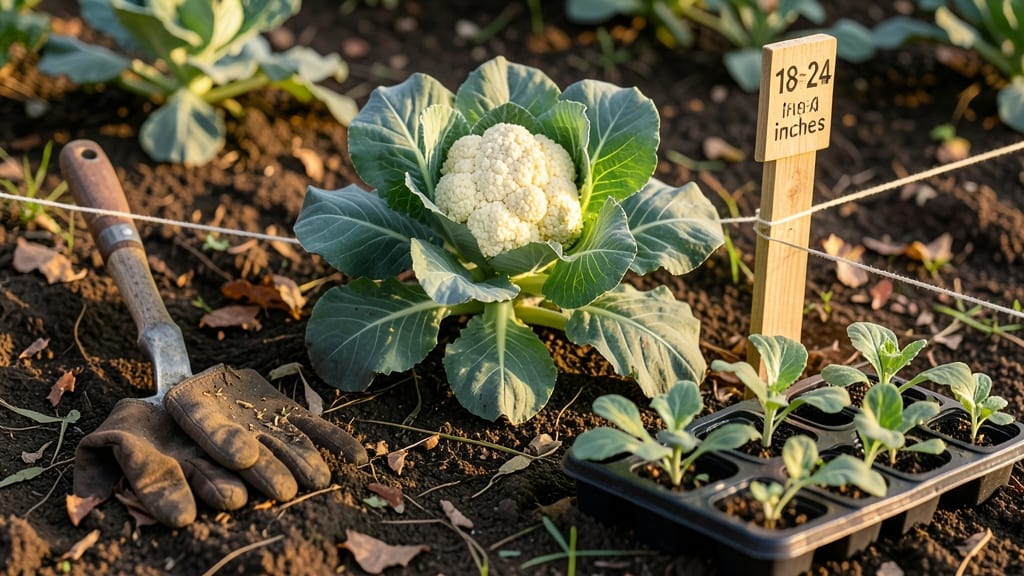
To space cauliflower plants properly ensures bushy heads and prevents disease, and the right distance makes all the difference between a thriving garden and a disappointing harvest.
Picture this: you’ve spent weeks nurturing your 🥬 seedlings, only to watch them struggle as heads stay small or rot sets in. That’s the cost of crowding—too close, and airflow suffers, inviting pests and fungal infections.
But get it right, and you’ll harvest firm, compact heads that rival the grocery store’s best.
Cauliflower thrives when given room to breathe, especially in USDA Zone 6a where spring planting kicks off in April. Standard varieties need 18-24 inches apart, while dwarf types can squeeze into tighter rows. The secret? Balancing density with airflow to keep those heads tight and disease-free.
In this guide, I’ll break down the exact spacing for your variety, how to adjust for small gardens, and the telltale signs your plants are either too cramped or spread too thin. No guesswork—just science-backed distances for a bumper crop.
Ideal cauliflower plant spacing by variety type (heads, broccoli, ornamental)
Cauliflower isn't one-size-fits-all when it comes to spacing. The variety type determines how much room each plant needs to develop plump, disease-free heads. Standard varieties like 'Snowball' require more elbow room than mini types, while Romanesco cauliflower benefits from slightly tighter spacing to encourage its unique fractal growth.
Getting this right means the difference between market-quality heads and stunted, bitter plants.
Proper spacing isn't just about fitting more plants—it's about air circulation and root competition. Crowded plants compete for nutrients, leading to smaller heads and increased susceptibility to fungal diseases like clubroot. Meanwhile, plants that are too far apart waste garden space and reduce overall yield.
The key is finding that sweet spot where each plant has enough room to thrive without stealing resources from its neighbors.
Here's where variety matters most. Standard cauliflower varieties need the most space—up to 24 inches apart—while mini varieties can handle tighter spacing of just 12 inches. Ornamental types, like purple or Romanesco, often fall somewhere in between.
Let's break down the exact spacing requirements for each type, including row spacing and in-row distances.
| Variety Type | In-Row Spacing | Row Spacing | Mature Size | Notes |
|---|---|---|---|---|
| Standard (e.g., Snowball, Purple of Sicily) | 18-24" | 30-36" | 18-24" tall | Largest heads; needs most space |
| Mini (e.g., Miniature Snowball, Romanesco) | 12-16" | 24-30" | 8-12" tall | Smaller heads; great for containers |
| Romanesco (e.g., Green Romanesco) | 16-20" | 24-30" | 12-18" tall | Fractal growth; benefits from slightly tighter spacing |
| Broccoli-Rabi (e.g., Calabrese) | 18-24" | 30-36" | 20-24" tall | Taller varieties; needs extra row spacing |
For standard cauliflower varieties, aim for 18-24 inches apart in rows and 30-36 inches between rows. This gives plants enough room to develop their full head potential while still allowing for efficient use of garden space.
If you're growing Snowball Y Improved or Purple of Sicily, these larger varieties will reward you with heavy, market-quality heads when given this spacing.
When planting mini varieties, you can get creative with spacing. Try 12-16 inches apart in rows and 24-30 inches between rows to maximize your yield in smaller gardens or containers. Varieties like Miniature Snowball or Romanesco are perfect for window boxes or raised beds, where space is limited.
Just be prepared for slightly smaller heads—typically 3-4 inches in diameter—but with a much higher density of harvestable plants.
Romanesco cauliflower is a unique case because its fractal growth pattern benefits from slightly tighter spacing than standard varieties. Plant these 16-20 inches apart in rows and 24-30 inches between rows. The closer spacing encourages the plant to focus its energy on developing the intricate head structure rather than sprawling outward. Plus, the vibrant green and cream color makes it a stunning ornamental addition to any garden.
Don't overlook row spacing—it's just as critical as in-row spacing. 30-36 inches between rows ensures adequate air circulation and light penetration, which are essential for preventing diseases like downy mildew and clubroot.
If you're working with a small garden, consider planting in north-south rows to maximize sunlight exposure and minimize shading between plants.
For high-density planting
Why overcrowding ruins cauliflower yields (and how to fix it)
If your cauliflower plants look healthy but produce tiny, misshapen heads, the culprit might be overcrowding. Too many plants competing for nutrients and sunlight leads to stunted growth, poor head formation, and even disease outbreaks.
I’ve seen gardens where cauliflower heads barely reach the size of a golf ball because spacing was ignored—don’t let that happen to your harvest!
Overcrowding doesn’t just shrink your yield—it creates a perfect storm for problems like clubroot and downy mildew. Poor airflow traps moisture, giving fungal spores the ideal environment to thrive.
Even pests like cabbage worms and aphids love crowded gardens because they’re easier to hide in. The result? More pesticide use and less of the delicious cauliflower you planted for.
Here’s the harsh truth: Cauliflower plants need space to grow their characteristic large, compact heads. When roots and leaves tangle, they compete for water and nutrients, leaving your harvest smaller and less flavorful.
Even if you’re excited to fit more plants into your garden, sacrificing spacing for quantity always backfires on quality.
⚠️ Warning: Overcrowding = Disaster
- Stunted heads: Plants fight for nutrients, leading to tiny, deformed cauliflower.
- Disease hotspots: Clubroot and downy mildew thrive in damp, crowded soil.
- Pest magnets: Cabbage worms and aphids hide in dense foliage.
- Poor airflow: Leaves stay wet longer, inviting fungal infections.
Fix it now: Thin seedlings to 18–24 inches apart (or 12–18 inches for dwarf varieties). If already planted, transplant extras to a new spot immediately.
If your cauliflower is already planted too closely, don’t panic—there’s still hope! Start by thinning seedlings to the correct spacing (18–24 inches apart for standard varieties).
Use a clean, sharp knife to avoid damaging roots, then replant the extras in another part of the garden or pot them up for later harvests. This might feel like a setback, but it’s a necessary step to save your crop.
For established plants, focus on improving airflow around them. Prune lower leaves to reduce humidity near the soil, and avoid overhead watering to keep foliage dry. If you notice yellowing leaves or white mold, act fast: apply a copper fungicide or neem oil to prevent spread.
Prevention is key—once disease takes hold, recovery is difficult.
Remember, proper spacing isn’t selfish—it’s an investment in your garden’s success. When cauliflower plants have room to breathe, they reward you with large, firm heads and fewer headaches.
Next time you’re tempted to squeeze in extra seedlings, ask yourself: Do I want more plants or a better harvest? The answer will always be the same. 🥬