
Plants
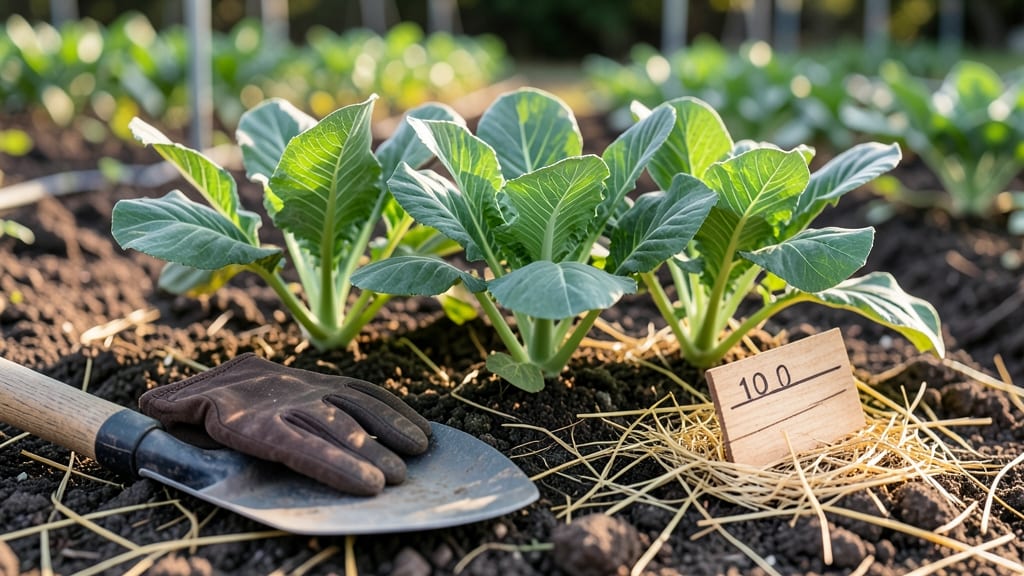
To plant cauliflower in Florida, aim for September–October or February–March when temperatures stay mild and humidity is manageable—timing makes the difference between a bountiful harvest and a bolted mess.
Florida’s long growing season and unpredictable weather make timing your cauliflower planting a critical factor in avoiding bolting, pests, and poor yields—but get it right, and you’ll enjoy crisp, flavorful heads straight from your garden.
North Florida’s cooler winters mean you can start as early as late August, while South Florida’s heat demands a winter break until November. The key is avoiding summer’s sweltering temperatures, which send cauliflower into early flowering.
Below, I’ll break down the exact frost-free windows for your region, soil prep tricks to keep plants happy in Florida’s heat, and how to stretch your harvest with shade cloth and succession planting.
Best planting windows for cauliflower in Florida’s climate zones
Florida’s unique climate—with its humid summers, mild winters, and variable frost dates—demands precise timing for cauliflower success. Unlike northern climates, Florida gardeners can grow cauliflower year-round with the right strategies, but late summer and fall remain the sweet spot for most varieties.
The key is avoiding heat stress (which causes bolting) and frost damage (which stunts growth).
North Florida’s cooler winters and Central Florida’s transitional climate create distinct planting windows, while South Florida’s tropical warmth allows for extended growing seasons. For example, Panhandle gardeners must time transplants to escape early frosts, while Miami gardeners can plant nearly year-round with shade protection.
Let’s break down the best months for each region to maximize your harvest.
🌱
February 1-March 15
January 15-February 28
Peak: Sept-Oct & Feb-Mar
In North Florida, where frosts can hit as early as December, aim to plant transplants in mid-September for a fall harvest or early February for a spring crop. Use row covers if planting in late fall to protect from unexpected cold snaps.
For Central Florida, the window expands slightly—plant in late August for a fall harvest or mid-January for spring. Here, afternoon shade becomes critical to prevent bolting during hot afternoons.
South Florida gardeners enjoy the most flexibility, but even here, summer heat (June-July) can push temperatures above 95°F (35°C), triggering bolting. For summer plantings, use 50% shade cloth and choose heat-tolerant varieties like Graffiti or Violetto.
I’ve found that drip irrigation in the early morning helps maintain soil moisture without stressing plants during Florida’s humid afternoons.
💧
One common mistake is assuming Florida’s warmth means cauliflower can grow anytime. In reality, temperature swings—like a 90°F (32°C) day followed by a 60°F (15°C) night—can stress plants.
To mitigate this, harden off transplants for 7-10 days before planting and mulch heavily (3-4 inches of straw or pine needles) to stabilize soil temperatures. For organic gardeners, compost tea applied at transplanting can boost resilience.
For successive plantings, stagger seeds every 2-3 weeks within your region’s optimal window. For example, in Central Florida, plant a batch in late August, another in mid-September, and a final one in early October to extend your harvest through December.
This strategy works especially well for short-day varieties, which are less likely to bolt in Florida’s long daylight hours.
🌿
Pro tip: Monitor your local soil temperature—cauliflower thrives when soil stays between 60-75°F (15-24°C). Use a soil thermometer to check before planting. If temperatures exceed 80°F (27°C) for more than a few days, switch to shade-tolerant varieties or delay planting until cooler weather returns.
I’ve also had success using black plastic mulch to warm soil in early spring plantings, which can jumpstart growth in North Florida’s cooler months.
Finally, remember that Florida’s humidity increases disease risks like downy mildew and clubroot. To combat this, space plants 18-24 inches apart for airflow and avoid overhead watering. A light application of copper fungicide at planting can provide an extra layer of protection, especially in South Florida’s steamy conditions.
How to extend your cauliflower season with smart techniques
Florida’s heat and humidity can make growing cauliflower challenging, but with the right strategies, you can enjoy a longer harvest season. The key is to control temperature stress and optimize growing conditions to prevent bolting and ensure healthy head formation.
By combining shade management, succession planting, and companion planting, you can push your cauliflower’s limits and enjoy fresh harvests well beyond the typical fall window.
One of the biggest hurdles in Florida is the intense afternoon sun, which can cause cauliflower to bolt prematurely. Using shade cloth (30-50% shade) during the hottest months can lower soil and air temperatures by 10-15°F, creating a more favorable environment for head development.
Additionally, succession planting every 2-3 weeks ensures a steady supply of fresh heads, while companion plants like bush beans or lettuce can improve heat tolerance and deter pests.
Monitoring soil temperature is another critical step. Cauliflower thrives in soil temperatures between 60-75°F. If your soil heats up beyond 80°F, the plants will struggle to form heads. Use a soil thermometer to track temperatures and adjust your planting schedule accordingly.
In North Florida, aim for September-October plantings, while South Florida gardeners can extend their season into November-December with proper shade and watering.
- Use 30-50% shade cloth during peak heat (12 PM - 4 PM) to prevent bolting and maintain soil temps below 80°F.
- Plant succession batches every 2-3 weeks from September to November for a continuous harvest.
- Pair cauliflower with bush beans or lettuce to improve heat tolerance and deter cabbage moths.
- Monitor soil temperature with a thermometer—ideal range is 60-75°F for head formation.
- Water deeply in the morning to keep soil consistently moist and reduce stress from Florida’s humidity.
Another effective technique is mulching with straw or wood chips to retain moisture and regulate soil temperature. Mulch helps prevent the soil from overheating, which is especially important in South Florida’s warmer climate. Pair this with drip irrigation to deliver water directly to the roots, reducing evaporation and fungal risks.
For container gardening, choose larger pots (at least 12 inches deep) and place them in partial shade to mimic ideal growing conditions.
Don’t overlook the power of companion planting. Cauliflower benefits from being near onions, garlic, or thyme, which repel pests like cabbage moths and aphids. Avoid planting near tomatoes or strawberries, as they can compete for nutrients or attract shared pests.
In North Florida, you can even try a winter crop by planting in February and using row covers to protect against light frosts, though this requires careful monitoring.
Finally, always harvest your cauliflower before the heads turn yellow or brown. In Florida’s heat, this can happen quickly, so check your plants daily during the peak growing season.
With these techniques, you can extend your cauliflower season by 2-3 months, ensuring a bountiful harvest even in the face of Florida’s challenging climate.