
Plants
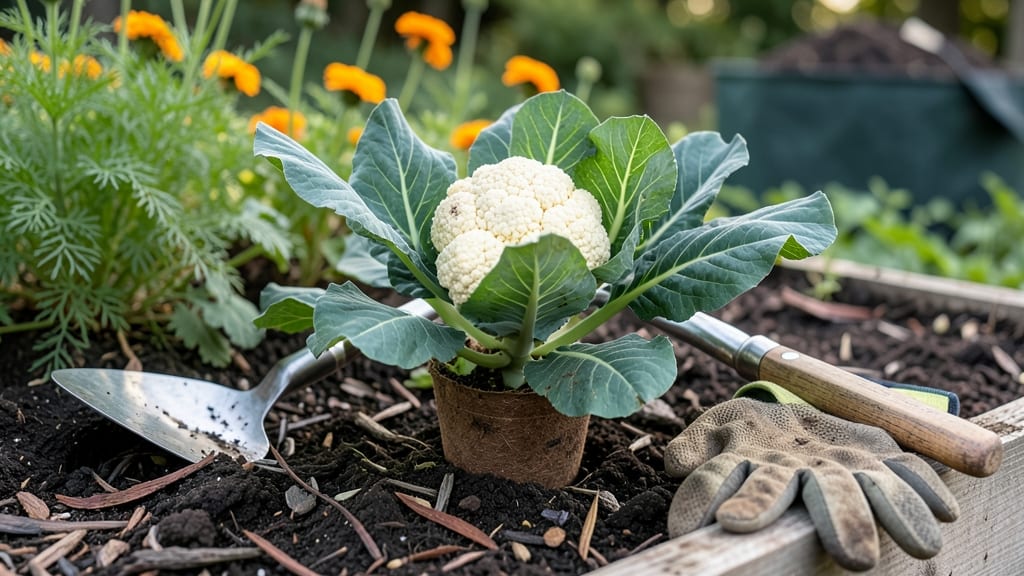
To plant cauliflower at the perfect time means timing it so the cool weather stays steady through head formation — a window that’s narrower than you might think.
Picture this: you’ve prepped the soil, sown your seeds, and then a heatwave hits before the heads even form.
Or worse, a late frost blackens your seedlings before they get a chance to grow. Timing is everything with this finicky cool-season crop, and getting it right means the difference between a bumper harvest of tender curds and a garden full of bitter disappointment.
For most gardeners in USDA Zone 6a, that means starting seeds indoors in late February or early March, then transplanting outdoors 4-6 weeks before your last frost — typically by mid-April.
But the rules shift if you’re in a warmer zone or aiming for a fall crop, where late summer plantings can stretch your harvest into October.
Here’s what you need to know: the exact dates for your region, how to adjust for early or late starts, and the one trick that keeps cauliflower growing even when temperatures flirt with summer’s edge.
Best planting windows for cauliflower by USDA hardiness Zones
Cauliflower thrives in cool-season conditions, making precise planting timing critical for success. In USDA Zones 3-10, your ideal windows depend on whether you're planting for spring or fall harvests.
Miss these windows, and you risk bolting (premature flowering) or frost damage—both of which ruin your crop. Let’s break down the exact months for each zone to maximize your yield.
For spring plantings, aim to sow seeds 4-6 weeks before your last frost date. In fall plantings, start seeds 8-10 weeks before the first frost to ensure heads mature before cold sets in.
Your USDA zone dictates the exact calendar dates, so we’ll cover each zone’s specifics below. Pro tip: Use row covers to extend early/late seasons in colder zones.
Here’s your zone-by-zone planting calendar, including early, mid, and late succession strategies for both spring and fall. These windows account for soil temperature (ideal: 45-85°F) and daylength sensitivity, which triggers bolting if ignored.
In Zones 3-4, where winters are harsh, focus on spring plantings and use cold frames or greenhouses to start seeds early. For example, in Zone 4, begin sowing indoors in March and transplant after the last frost (typically May 15).
In Zones 7-10, fall plantings are your best bet—start seeds in late summer to harvest before winter chills arrive.
For succession planting, space out sowings every 2-3 weeks during your zone’s ideal window. This ensures a continuous harvest and reduces bolting risks. For instance, in Zone 6, plant every 2 weeks from March to May for a staggered crop.
Always choose frost-tolerant varieties like ‘Snowball Y Improved’ or ‘Purple of Sicily’ for extended seasons.
Watch for soil temperature cues: cauliflower seeds won’t germinate well below 45°F. Use a soil thermometer to confirm readiness. In warmer zones (7-10), avoid planting during peak summer heat—cauliflower bolts when days exceed 75°F.
Instead, opt for shade cloth or drip irrigation to keep plants cool.
If you’re in Zone 9-10, treat cauliflower like a winter crop. Plant in late summer or fall to escape summer’s intensity. For example, in Southern California (Zone 10), sow seeds in August for a winter harvest.
Use mulch to retain moisture and protect roots from temperature swings.
Pro tip: Transplant seedlings instead of direct-sowing for precision. Start seeds indoors 4-6 weeks before your zone’s outdoor planting window. Harden off seedlings by exposing them to outdoor conditions for 1 week before transplanting. This reduces transplant shock and boosts survival rates.
Finally, always check your local frost dates—they can vary by 1-2 weeks even within the same zone. Use resources like the National Weather Service or Almanac’s Frost Calculator to fine-tune your schedule. With these windows mastered, you’ll enjoy homegrown cauliflower from spring to
How to avoid common cauliflower planting mistakes
Cauliflower thrives in cool weather but struggles when planted at the wrong time. One of my biggest mistakes early on was planting seeds too early in cold soil—resulting in stunted growth and weak seedlings.
The key is timing: soil should be at least 40°F (4°C) and warming consistently before planting. Always check your last frost date and count back 6-8 weeks for direct sowing or 4-6 weeks if transplanting seedlings.
Another critical error is ignoring cauliflower’s heat limits. This cool-season crop bolts (prematurely flowers) when temperatures exceed 75°F (24°C) for prolonged periods. In hotter climates like USDA Zones 8-10, I now plant late summer for fall harvests or use shade cloth during peak heat.
Varieties like ‘Snowball Y Improved’ tolerate heat slightly better but still need afternoon shade in summer.
Skipping soil pH adjustments is a silent killer for cauliflower. These plants demand a neutral to slightly alkaline soil (pH 6.0-7.0)—any lower, and they won’t absorb nutrients properly. I learned this the hard way when my first crop produced small, bitter heads despite perfect timing.
A simple soil test and lime amendment (if needed) can save your harvest. For acidic soils, work in pelletized lime 2-3 weeks before planting.
⚠️ WARNING: Bolting is the #1 Cauliflower Killer
Cauliflower bolts when stressed by heat, drought, or maturity. Watch for these early warning signs:
- ✅ Tall, skinny stems (instead of bushy growth)
- ✅ Yellowing leaves (especially lower leaves)
- ✅ Small buds forming before head development
Solution: Use row covers for heat protection, mulch heavily to retain moisture, and harvest promptly when heads form. For late plantings, choose bolt-resistant varieties like ‘Cheddar’ or ‘Graffiti’.
Overcrowding is another trap I fell into, thinking more plants meant bigger harvests. Cauliflower needs 18-24 inches of space to develop properly—any less, and you’ll get small, deformed heads.
I now use succession planting in rows spaced 3 feet apart, thinning seedlings to the strongest 12-18 inches apart. This also improves airflow, reducing disease risk like black rot.
Finally, don’t ignore light requirements. Cauliflower needs 6+ hours of sun daily, but too much heat stresses it. In my Zone 7 garden, I plant in early spring (March) and late summer (August) to avoid summer’s intensity.
For containers, place them in morning sun with afternoon shade—this prevents bolting while ensuring enough light for head formation.
By avoiding these 4 common mistakes, you’ll go from frustrated gardener to cauliflower champion. Start with soil prep, monitor temperature trends, and stagger plantings for a steady harvest. With the right timing, your cauliflower will reward you with tender, snow-white curds all season long. 🥬