
How Long Does It Take Flower Seeds to Germinate: Speed Chart by Seed Type

Propagation

How Long Does It Take Flower Seeds to Germinate: Speed Chart by Seed Type

How long it takes flower seeds to germinate ranges from 3 days to over a month, depending on the variety 🌸—and knowing that window is the difference between a thriving garden and a case of second-guessing.

Waiting for flower seeds to sprout can feel like an eternity—especially when some varieties pop up in days while others take weeks. The good news? Most seeds follow predictable timelines once you account for temperature, moisture, and seed type.

Fast germinators like marigolds and zinnias often sprout within 5-7 days, while slower ones such as delphiniums or snapdragons may take 3 weeks or more. Below, I’ll break down the exact ranges by seed type, plus pro tips to speed up the process.

Learn how to troubleshoot delays, choose the right planting times, and create the ideal conditions so your seeds don’t just sprout—they thrive from day one.

🌸 When to Plant Flower Seeds Seeds
Jan ❄️
Feb 🌱
Mar 🌸
Apr 🌸
May 🌸
Jun 🌱
Jul 🌱
Aug 🌸
Sep 🌸
Oct 🌱
Nov 🍂
Dec ❄️
Ideal Time
Also Good

Flower seed germination time: fastest to slowest seed types

Understanding how long it takes flower seeds to germinate transforms guesswork into a precise gardening strategy. Some seeds like marigolds and zinnia sprout in just 3-7 days, while others like delphiniums or foxgloves may take 14-21 days or longer.

This variance depends on seed type, environmental conditions, and proper care. Knowing these timelines helps you adjust planting schedules, troubleshoot delays, and create a more productive garden layout.

Germination time isn't just about patience—it's about creating the right conditions. Temperature and moisture play critical roles, with some seeds requiring warm soil while others need cool, damp conditions.

For example, cosmos seeds thrive in warm soil (70°F+) and sprout in 7-14 days, while lupines prefer cooler temperatures (60-65°F) and can take 21-30 days to break through the soil.

Below is a ranked breakdown of popular flower seeds from fastest to slowest germination, along with their ideal growing conditions to maximize your success.

<

How to speed up germination for stubborn flower seeds

Stubborn flower seeds can test even the most patient gardener’s resolve. While some varieties like marigolds or zinnia pop up in days, others like delphiniums or foxglove play hard to get—sometimes taking weeks to sprout.

The good news? With the right techniques, you can cut that wait time by half or more. Understanding the science behind germination and avoiding common pitfalls is key to faster, healthier sprouts.

Germination speed depends on three critical factors: moisture, temperature, and oxygen. Seeds need consistent moisture to activate enzymes, warmth to kickstart metabolic processes, and air to prevent suffocation.

But even with perfect conditions, some seeds have built-in dormancy mechanisms that delay sprouting. That’s where pre-treatment methods and strategic adjustments come in to give your seeds the boost they need.

  1. Pre-soak seeds for 12-24 hours in lukewarm water to soften hard seed coats (great for lupines or snapdragons).
  2. Use a heat mat (70-85°F) for slow germinators like delphiniums or hollyhocks—cuts wait time by 30-50%.
  3. Plant seeds at correct depth: tiny seeds (e.g., pansies) need light to reach them; bury them just 1/8 inch deep.
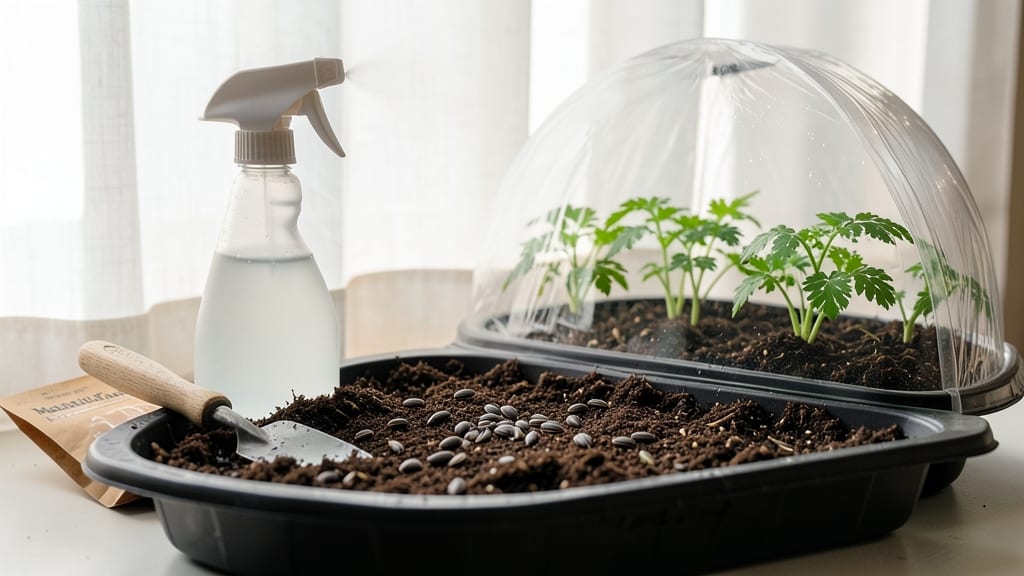
  4. Keep soil moist but not soggy—overwatering robs seeds of oxygen and causes rot (use a spray bottle for precision).
  5. Provide bright, indirect light (no direct sun) until sprouts emerge—12-16 hours/day speeds up metabolism.
  6. Try scarification (lightly sanding seed coats) for thick-shelled seeds like larkspur to break dormancy.

For seeds that still refuse to cooperate, check your seed viability. Old seeds (over 2 years) often lose vigor, while improper storage (moisture or temperature swings) can doom them.

If your seeds are fresh but stubborn, try stratification—mimicking winter chilling cycles by mixing them in damp sand and refrigerating for 4-8 weeks before planting. This works wonders for peony or columbine seeds.

Light exposure is another game-changer. Many flower seeds, like calendula or cosmos, need light to germinate and should never be buried deep. Use clear plastic domes or seed trays with lids to trap humidity while allowing light through.

Once sprouts appear, remove the cover immediately to prevent damping-off disease, a fungal killer of young seedlings.

If you’ve tried everything and still see no progress, don’t give up—your seeds might just need a patience test. Some varieties, like foxglove, can take up to 60 days to germinate. Mark your trays with the planting date and triple the expected germination time before declaring defeat.

And remember: consistency is your best friend. Small daily checks for moisture and light will keep your seeds on track for success.

★★★★★4.7(12 reviews)
Categories Propagation
Seed Type Germination Time Ideal Soil Temp (°F) Moisture Needs Notes
Marigold 3-7 days 70-85°F Consistently moist Fastest germinating; direct sow after frost
Zinnia 5-10 days 70-80°F Even moisture Thrives in heat; pinch for bushier growth
Cosmos 7-14 days 70-85°F Lightly moist Drought-tolerant; self-seeds easily
Sunflower 7-14 days 65-80°F Deep watering Large seeds; plant 1" deep
Snapdragon 10-14 days 60-70°F Consistently damp Start indoors 6-8 weeks before last frost
Petunia 10-21 days 70-75°F Lightly moist Slow to germinate; needs light to sprout
Delphinium 14-21 days 60-65°F Even moisture Biennial; sow early for best results
Lupine 21-30 days 50-60°F Moderate moisture Cold-hardy; fix nitrogen in soil
Foxglove 21-45 days 60-65°F Consistently damp Biennial; sow in fall for spring blooms