
Blooming
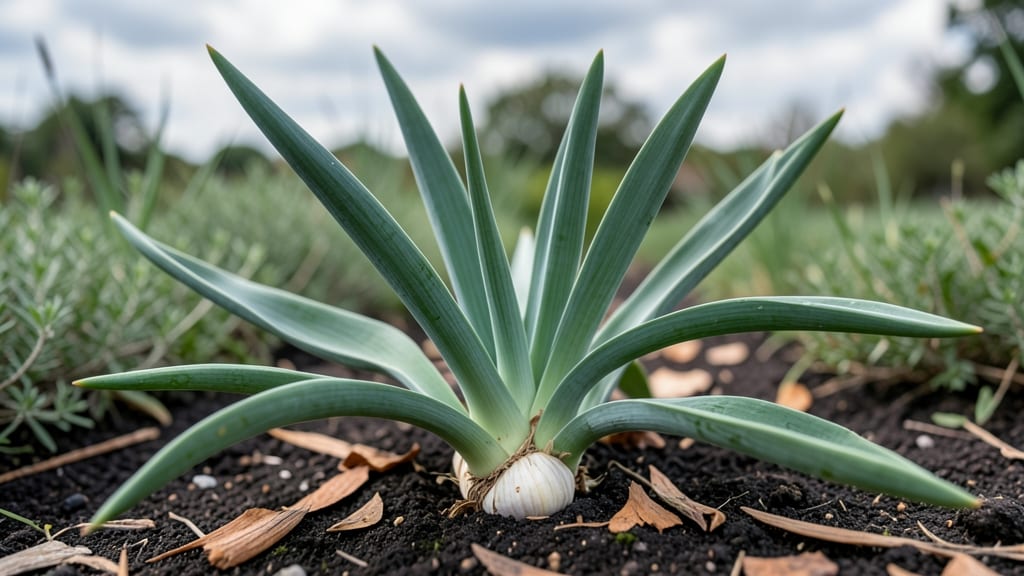
Harvesting allium greens before flowering 🌸 ensures you capture their most tender, vibrant flavor—when leaves are packed with nutrients and free from bitterness.
Picture this: you’ve spent months nurturing your chives or garlic chives, only to realize the flowers are about to bloom. That’s your cue to act—because once those purple globes pop, the delicate greens you’ve been waiting for turn tough and woody.
Timing your harvest just right before flowering is the secret to a kitchen garden that delivers.
Beyond flavor, pre-flowering alliums are a gardener’s workhorse. Their slender, grass-like leaves add a pop of color to borders, they’re pest-resistant in their early growth stages, and they regrow reliably if cut back properly.
But here’s the catch: you’ve got a narrow window—usually 2 to 4 weeks before buds swell—to get it right.
In this guide, I’ll walk you through how to spot the perfect harvest moment, the best allium varieties for continuous greens, and even how to prune for regrowth without sacrificing next season’s blooms. Ready to turn your allium patch into a year-round flavor factory?
Optimal harvesting window: when to cut allium greens before flowering
Timing your allium harvest just 2-4 weeks before flowering ensures the tenderest leaves with the brightest flavor. This window varies slightly by variety, but the key is watching for leaf maturity cues rather than relying on a calendar.
Miss it, and you’ll either harvest bitter greens or let the plant divert energy to blooms instead of foliage.
Most allium varieties—like chives and garlic chives—reach peak harvest readiness when their leaves are 6-12 inches tall but haven’t yet sent up flower stalks. For leeks and shallots, focus on the thickness of the stems (about pencil-sized) and the deep green color of the foliage.
🌱
| Variety | Leaf Size | Color Cues | Seasonal Window | Harvest Frequency |
|---|---|---|---|---|
| Chives | 6-10 inches | Vibrant green | Spring-Fall (April-Oct) | Every 3-4 weeks |
| Garlic Chives | 8-12 inches | Bright green, hollow stems | Spring-Fall (March-Nov) | Every 4-6 weeks |
| Leeks | 12-18 inches | Deep green, thick stems | Summer-Fall (June-Oct) | Every 6-8 weeks |
| Shallots | 10-14 inches | Glaucous blue-green | Late Spring-Early Fall (May-Sep) | Every 5-6 weeks |
Seasonal timing matters just as much as leaf size. In USDA Zone 6a, aim to harvest chives and garlic chives between April and October, while leeks and shallots thrive in summer’s warmth (June-October).
Early spring harvests yield the mildest flavors, while late-season cuts can be slightly sharper—perfect for winter storage.
Watch for flower stalks emerging as your final warning sign. Once they appear, the plant shifts energy from leaves to blooms, causing foliage to toughen and lose flavor. Cutting 2-3 weeks before stalks emerge ensures you capture the peak tenderness without sacrificing future blooms.
For continuous harvests, space cuts 3-4 weeks apart to allow regrowth. After each harvest, trim leaves to 2-3 inches above ground level and fertilize lightly with a balanced 5-10-10 mix to encourage new growth. This method works best for perennial varieties like chives and garlic chives.
🌿
If you’re growing alliums for culinary use, prioritize morning harvests when leaves are crisp and hydrated. Avoid cutting after heavy rain or in midday heat, as this can cause wilting.
Store harvested greens in plastic bags in the fridge for up to 10 days or freeze them in ice cube trays for long-term use.
Pro tip: Use a sharp pair of scissors or clean pruners to cut leaves at the base, leaving 1/3 of the foliage intact. This minimizes stress on the plant and encourages lush regrowth for future harvests.
For ornamental alliums, you can remove up to 50% of the foliage without harming the plant.
✂️
Step-by-step harvesting techniques for maximum flavor & texture
Harvesting allium greens at the right time ensures peak flavor and tender texture. The key is to cut 2-4 weeks before flowering when leaves are vibrant and stems are firm. This window guarantees you get the most aromatic intensity without compromising the plant's ability to regrow or flower.
Using the wrong technique can stress your allium plants and reduce future harvests. Sharp, clean cuts and proper timing are essential to maintain plant health while preserving the freshness of your harvest. Let’s break down the exact steps to follow for a perfect harvest every time.
Use clean, sharp pruning shears or scissors to avoid crushing stems. Dull tools cause damage that can lead to disease.
Select outer leaves that are 4-6 inches long and bright green. Avoid cutting inner leaves to preserve the plant’s energy.
Cut leaves 1-2 inches above the base at a 45-degree angle. This encourages new growth while preventing water from pooling.
Pick leaves early in the day when moisture levels are highest. This keeps them crisp and fresh longer.
Wrap harvested leaves in damp paper towels and place them in a sealed plastic bag. Store in the refrigerator for up to 5-7 days.
After harvesting, add compost or balanced fertilizer to the soil. Water deeply but infrequently to promote strong regrowth.
After harvesting, it’s crucial to monitor your allium plants for signs of stress. If leaves yellow or wilt excessively, reduce watering and ensure they receive full sun. This helps them recover faster and prepares them for future harvests or flowering.
For long-term flavor preservation, consider drying or freezing harvested greens. Spread leaves on a paper towel-lined tray in a cool, dry place for 2-3 days to dry completely. Store dried leaves in an airtight container away from light for up to 6 months.
By following these steps, you’ll enjoy consistent, flavorful harvests while keeping your allium plants healthy and productive. Happy harvesting! 🌱