
Flowers
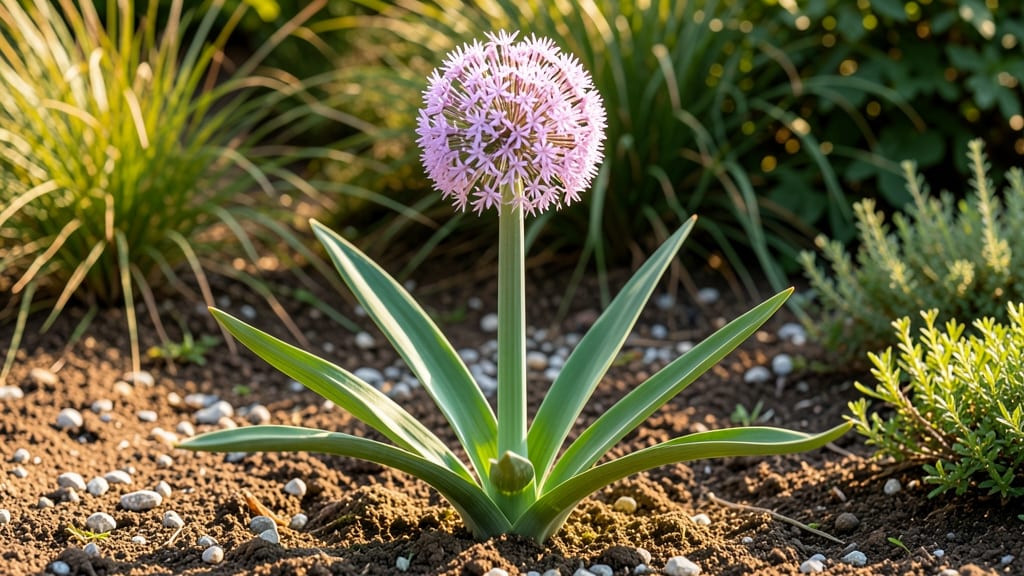
The allium flower bloom time in late spring to early summer turns your garden into a purple paradise that hummingbirds can’t resist.
If you’ve ever dreamed of a garden bursting with dramatic purple globes that attract bees and hummingbirds, timing is everything—especially when it comes to allium flower bloom time.
These striking perennials deliver their showstopping spectacle at just the right moment, but knowing exactly when to expect those blooms can mean the difference between a breathtaking display and a missed opportunity.
Most allium varieties—like the towering Allium giganteum or the delicate Allium moly—follow a predictable schedule, but climate and variety play a big role. In USDA Zone 6a, you can count on blooms arriving in May or June, while cooler regions might see them a bit later.
The key? Planting at the right time in fall or spring ensures your alliums get a head start on growth.
Below, I’ll break down the exact bloom windows by variety, share pro tips to extend those purple pops, and help you pair alliums with other perennials for a garden that stays stunning from spring to summer.
Exact allium flower bloom time by variety: month-by-month guide
Timing your garden’s allium blooms is like planning a floral firework show—each variety has its own peak bloom window, and knowing these month-by-month milestones ensures you never miss the spectacle. Alliums offer early, mid, and late-season options, so you can create a continuous purple cascade from spring through summer.
Let’s break down the exact bloom times for your favorite varieties, adjusted for USDA zones 4-9.
Most alliums thrive in full sun to partial shade and prefer well-draining soil, but their bloom timing shifts based on your region.
For example, Allium giganteum (the giant allium) typically blooms in late May to June in cooler zones but may start as early as April in Zone 9. Meanwhile, Allium sphaerocephalon (the drumstick allium) waits until June to July for its round, papery blooms.
Here’s your month-by-month cheat sheet for popular allium varieties, including visual cues to spot blooms early and regional adjustments for zones 4-9. Pro tip: Plant a mix of early, mid, and late bloomers to extend your garden’s color from spring through summer!
Now that you’ve got the bloom timing down, let’s talk early bloomers like Allium moly, which kicks off the season in March or April (depending on your zone).
This dwarf allium is perfect for rock gardens or container plantings and pairs beautifully with early spring bulbs like crocus or snowdrops. Its bright yellow flowers are a cheerful contrast to the purple-dominated allium palette.
For mid-season drama, Allium giganteum and Allium schubertii steal the show in late May to June. These tall, architectural alliums add vertical interest to borders and cut-flower arrangements.
In Zone 9, they may even bloom as early as April, so don’t be surprised if your garden gets an early surprise!
Save the late-season alliums like Allium sphaerocephalon and Allium cristophii for June and July. These varieties bridge the gap between spring blooms and summer perennials like coneflowers and black-eyed Susans.
Their unique shapes—whether it’s the drumstick-like blooms of sphaerocephalon or the spherical clusters of cristophii—add textural contrast to your garden.
To spot blooms early, watch for buds swelling on the stalks. For Allium giganteum, the
How to extend allium bloom time naturally: pro tips for longer purple pops
Want your allium blooms to last longer than just a few weeks? The secret lies in how you prepare their environment and care for them throughout the season.
Alliums naturally produce their stunning purple globes in late spring to early summer, but with the right techniques, you can stretch that bloom window by 3-4 weeks. Start with the foundation—well-draining soil rich in organic matter.
Amend your garden beds with compost before planting to ensure bulbs get the nutrients they need for strong, healthy growth.
Another game-changer is companion planting. Pair your alliums with lavender or thyme, which not only enhance their visual appeal but also deter pests that might shorten bloom time.
These herbs thrive in similar conditions and create a fragrant, pollinator-friendly ecosystem that benefits your alliums. Just be mindful of spacing—give each plant enough room to breathe and avoid overcrowding.
⚠️ callout warning ⚠️
⚠️ Overwatering Shortens Bloom Time
Alliums are drought-tolerant once established—overwatering is the #1 killer of extended blooms. Wet soil suffocates roots and encourages rot, cutting bloom cycles short. Water only when the top 2 inches of soil are dry, and always water at the base of plants to avoid wetting foliage. In containers, ensure pots have drainage holes to prevent soggy roots.
Once your alliums start flowering, deadheading becomes your best friend. Snip off spent blooms with clean pruning shears to redirect the plant's energy into producing more flowers instead of setting seed.
This simple step can extend your display by 2-3 weeks and encourage a second flush of blooms in some varieties. Just be sure to leave the lower foliage intact—it stores energy for next year's blooms.
Adjust your care routine based on the season. In early spring, focus on removing old mulch and adding a light layer of compost to refresh nutrients. As summer approaches, reduce watering slightly to mimic natural drought conditions, which can trigger a second bloom cycle in some allium varieties.
Always water in the morning to allow foliage to dry quickly and prevent fungal issues.
For container-grown alliums, use a high-quality potting mix with perlite or sand to improve drainage. These plants are particularly sensitive to soggy conditions, so choose containers with at least one drainage hole and elevate them slightly off the ground.
Feed container alliums with a balanced fertilizer (like 5-10-10) every 4-6 weeks during the growing season, but avoid heavy feeding once blooms appear to prevent leggy growth.
Finally, protect your alliums from late-season pests like slugs and snails, which can chew through buds and foliage. Create barriers with crushed eggshells or diatomaceous earth around plants, or handpick pests in the evening when they're most active.
With these natural strategies, you'll enjoy longer, healthier blooms that keep your garden buzzing with pollinators all season long.